How to Choose the Best Dyeing Machine for Your Business
Choosing a dyeing machine is less about buying the largest unit and more about matching equipment to your daily production. The right choice depends on the fibers, fabric forms, batch sizes, and finishes your business handles. A machine designed for yarn may not suit knitted fabric or delicate garments. Check the details carefully. A small mismatch can mean uneven shades, extra rework, or wasted production time.
Start with real operating conditions. Consider the weight of a typical batch, the range of materials, and how often product types change. Reliable temperature control, consistent circulation, and an appropriate liquor ratio can support even dyeing and more efficient resource use. But specifications alone do not tell the whole story. Ask to see a demonstration using material similar to yours, and review cleaning access, spare-part availability, and service response times. These details matter on an ordinary Tuesday, when a pump needs attention and an order is due.
Budget for installation, energy, water, maintenance, and operator training, not only the purchase price. Compare supplier claims with measurable data and request written capacity and performance information. A higher-capacity machine can be a poor fit if your batches are usually small. There is no perfect choice, and forecasts can be wrong. Revisit your expected workload before deciding. The best machine is one your team can operate safely, maintain consistently, and use well as production needs change.
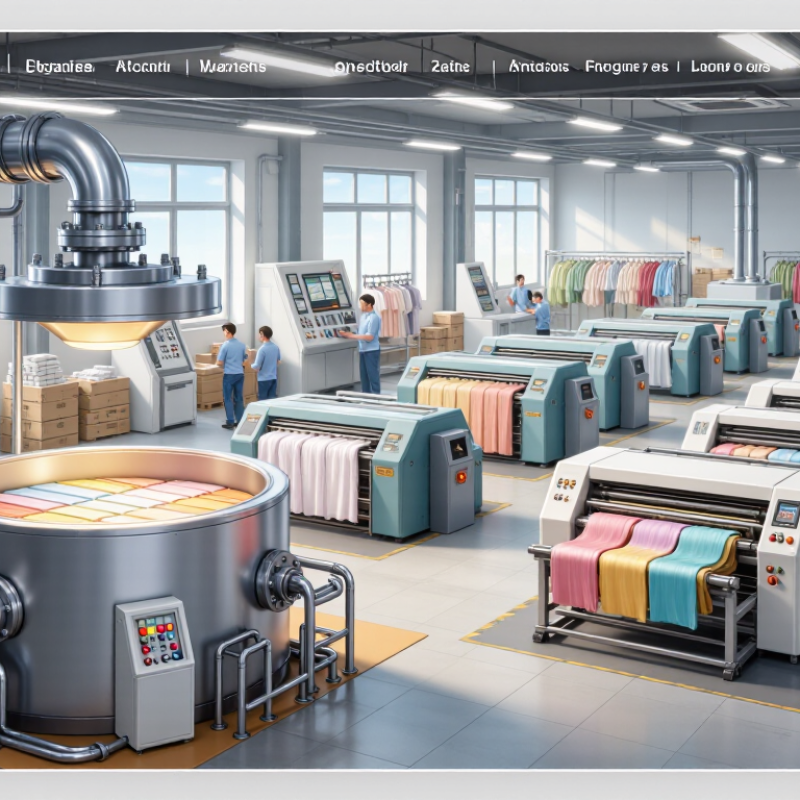
Define Your Production Needs, Materials, and Dyeing Goals
Before comparing dyeing machines, record your actual production needs: kilograms per batch, batches per shift, fabric form, and peak seasonal volume.
Textile Exchange’s Materials Market Report 2024 estimates that global fiber production reached 124 million tonnes in 2023 and could grow to 160 million tonnes by 2030. This industry-wide growth does not predict your orders, but it highlights why capacity planning matters. A machine sized only for today’s average load may struggle when orders rise.
List the materials you dye, such as cotton yarn, polyester fabric, or blended garments. Different fibers need different temperature profiles, circulation, and dyeing conditions. Then define the results you need: repeatable shades, specific fastness, shorter cycles, or reduced water use.
Ask suppliers for trial results using your own fabric and recipes, not just catalogue figures. Measure liquor ratio, heating time, loading consistency, and shade variation across the batch. Small details matter. A slightly uneven load can leave pale areas near seams or fabric folds.
My first capacity estimate would still be a hypothesis; actual trials may reveal that changeover time, not drum size, limits output.
Compare Dyeing Machine Types and Process Requirements
Choosing a dyeing machine starts with the material and the process, not the machine’s advertised capacity. Jet machines move fabric through circulating dye liquor and suit many knitted fabrics, though delicate constructions need careful tension control. Jigger machines guide woven fabric through a dye bath in repeated passes. Package machines dye yarn wound onto perforated carriers, where even flow through each package is essential. Small lots matter.
Compare these types against your production details: fiber blend, batch weight, fabric width, target shade, and finishing route. A polyester recipe may require higher temperatures than a cotton process, so check the machine’s operating range and heating control. Also ask how quickly it drains and rinses. Those steps affect water use, cycle time, and the risk of shade variation. A large vessel is not automatically the efficient choice if most batches leave it half full.
Request a trial using your own material, recipe, and loading method. Inspect the fabric from the center and edges of the batch, not just one sample. Ask operators how they clean filters, manage lint, and repeat a shade after a recipe change. I would verify service access and spare-part availability before comparing purchase prices; this is easy to overlook. Keep in mind that published capacity may assume ideal loading, which real production rarely achieves.
Evaluate Capacity, Energy Use, and Total Operating Costs
How to Choose the Best Dyeing Machine for Your Business
Capacity should match your real production, not just your busiest day. Compare the machine’s rated load with your usual batch size, fabric weight, and order mix. A machine that runs half-empty can waste water and heat. Small loads add up.
Ask for consumption figures per kilogram of fabric, then check how they were measured. Heating method, insulation, rinse cycles, and spin speed all affect energy use and cycle time. A fast cycle is not automatically cheaper if it needs extra rinsing.
Tips: Track water, electricity, fuel, labor, and maintenance for several current batches. Use the same fabric type and finish when comparing machines. Request a production trial, and record actual meter readings. Supplier estimates are useful, but they may not reflect your workload.
Calculate total operating cost per kilogram, not only the purchase price. Include routine servicing, replacement parts, cleaning downtime, and operator time. Check whether the machine can handle both your common batches and occasional larger orders without overloading.
Also consider available floor space and utility capacity. A detailed spreadsheet helps, though it can miss delays caused by uneven loading or color corrections. Leave room for those real-world variations when comparing options.
Assess Quality Control, Automation, Safety, and Sustainability
How to Choose the Best Dyeing Machine for Your Business
A suitable dyeing machine should deliver repeatable shades, not just impressive production speed. Check temperature stability, dosing accuracy, and recipe controls using fabric trials that match your real batch sizes. Small details matter. Ask operators to record shade variation and rework rates; a polished control screen cannot prove consistent results. Automation can reduce manual dosing errors, but only when settings and batch records are easy to verify. I would still question any system that promises perfect consistency without practical testing.
Safety and sustainability deserve equal weight. Look for enclosed chemical dosing, accessible emergency stops, secure vessel lids, and clear maintenance procedures. Review water use, energy consumption, and heat-recovery options against your current process. UNEP’s 2023 Global Roadmap for the Textile Value Chain estimates that textiles account for 2–8% of global greenhouse-gas emissions. That broad range is a reminder: assess your own machine’s measured consumption rather than relying on industry averages. Ask suppliers for test data and define how performance will be checked after installation.
Tips: Compare machines using the same fabric, dye recipe, and batch size. Request documented readings for water, energy, temperature, and shade consistency. Include operators in the trial; their feedback may reveal awkward loading or cleaning steps that the spreadsheet misses.
Verify Supplier Support and Choose the Best-Fit Machine
Choosing a dyeing machine is not only a question of capacity or price. Ask the supplier to review your fiber types, usual batch sizes, and target production hours. A machine suited to cotton may not handle delicate blends equally well. Request a sample run using your actual fabric and recipe, then check shade consistency, fabric feel, and processing time. Small differences show up quickly under workshop lighting.
Supplier support matters after installation, too. Confirm who handles commissioning, operator training, and troubleshooting, and ask how quickly technical help is available. Get the details in writing. Check whether common spare parts are stocked nearby and how maintenance is scheduled. A clear service plan can prevent a minor valve or sensor issue from stopping production for days. That matters.
Compare the machine’s water, steam, and power use against your current process, not just the figures in a brochure. Ask for operating data under conditions close to yours. It may still be hard to predict every cost before several real batches have run. Leave room for that uncertainty. The best-fit machine is the one your team can operate safely, maintain reliably, and use efficiently with the fabrics you actually dye. A larger model is not automatically better; unused capacity can become an expensive habit.