What is a Vibratory Polishing Machine and How Does It Work?
In the world of metal finishing, a vibratory polishing machine stands out for its efficiency and precision. Renowned expert Dr. Sarah Phillips, a leading figure in the polishing industry, once remarked, "A vibratory polishing machine transforms rough surfaces into smooth perfection." This statement captures the essence of how this technology reshapes metals with ease.
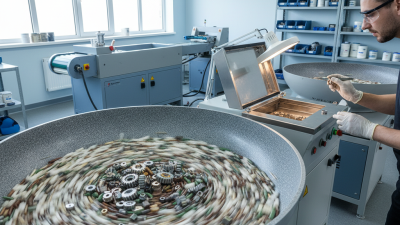
A vibratory polishing machine employs a unique system to enhance surface quality. It uses vibrations to create movement in the polishing media, causing it to work against the metal. The result is a finely polished finish, often used in jewelry and automotive parts. The process is not only efficient but also eco-friendly, reducing waste compared to traditional methods.
However, achieving the best results with a vibratory polishing machine requires careful calibration. Factors such as media type, vibration speed, and working time all play crucial roles. Mistakes in these areas can lead to subpar outcomes, prompting users to reflect on their approach. Fine-tuning is essential to maximize the benefits of this sophisticated technology.
What is a Vibratory Polishing Machine?
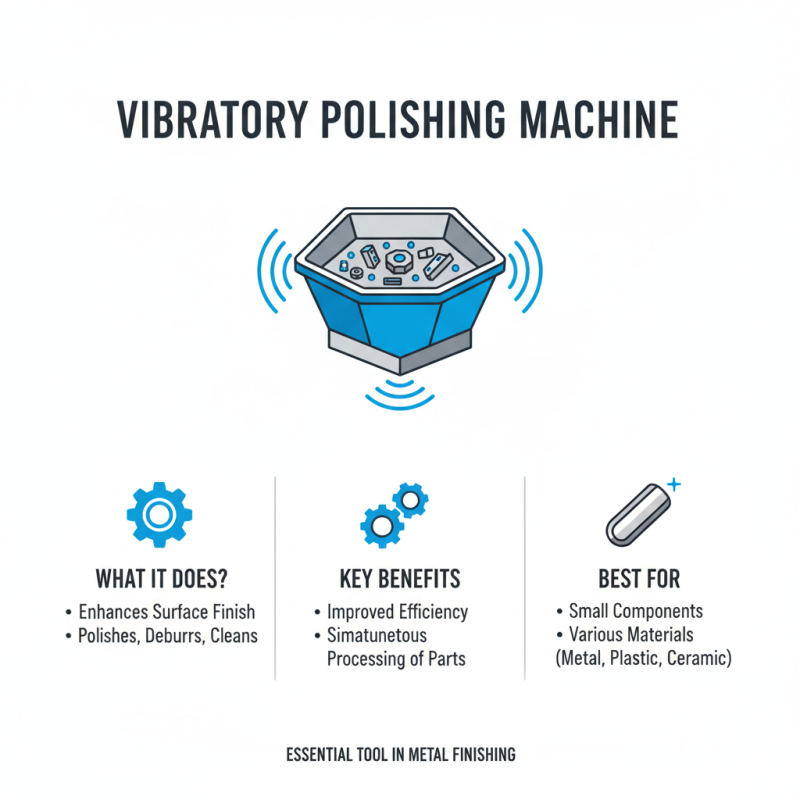
Vibratory polishing machines are essential tools in metal finishing. They utilize vibration to enhance the surface of various materials. These machines are particularly effective for polishing, deburring, and cleaning small parts. They improve efficiency by processing multiple components simultaneously.
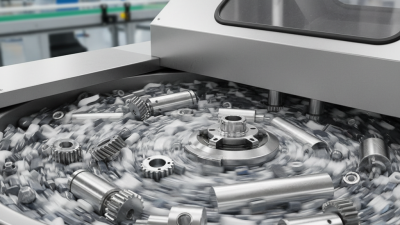
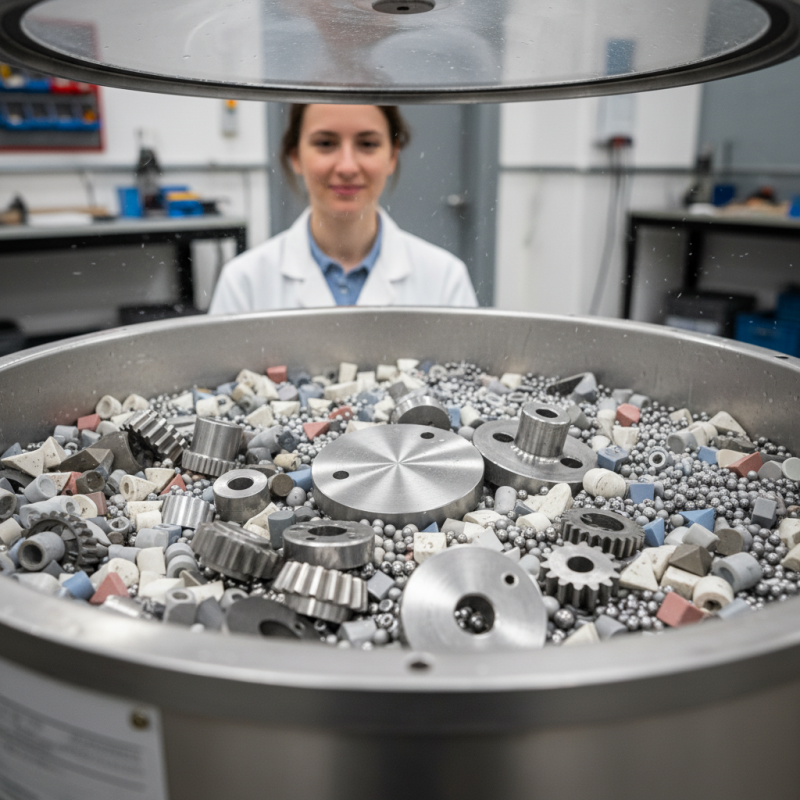
The working principle is simple yet effective. Inside the machine, parts are placed in a bowl with abrasive media. As the machine vibrates, the media moves in a circular motion. This movement creates friction that polishes the surfaces of the parts. The vibration intensity and duration can be adjusted for different materials and desired finishes.
Despite their advantages, users must pay attention to settings. Incorrect adjustments may lead to subpar finishes. For instance, excessive vibration can cause surface damage. It's also crucial to choose the right media type. Not all materials require the same abrasiveness. Hence, understanding the application's needs is vital for achieving the best results.
Key Components of a Vibratory Polishing Machine
Vibratory polishing machines are essential in various industries, particularly for metal finishing. They utilize vibrating motion to enhance surface quality by removing burrs, scale, and oxidation. Understanding the key components is crucial for optimizing performance.
The main components include the bowl, media, and drive mechanism. The bowl is usually made from durable materials, able to withstand constant vibrations. This component holds the workpieces and abrasive media, which can consist of ceramic or plastic materials. Recent reports indicate that using the right media can improve polishing efficiency by up to 50%. The drive mechanism, often an electric motor, creates the vibration. This motor’s settings need careful adjustment; improper settings can lead to uneven polishing and longer cycle times.
Despite advances, some challenges remain. Not all machines can handle diverse shapes and sizes. Additionally, operators may struggle in selecting the right media, leading to ineffective polishing results. Industry data shows that nearly 20% of users face difficulties in achieving desired finishes. Continuous improvement in machine design and user training is essential for overcoming these obstacles. As technology evolves, so does the potential for enhancing vibratory polishing efficiency.
How Does a Vibratory Polishing Machine Operate?
A vibratory polishing machine uses vibrations to polish and finish surfaces. The machine creates a controlled environment where abrasive media and the workpieces interact. This gentle yet effective process allows for uniform polishing without damaging delicate items.
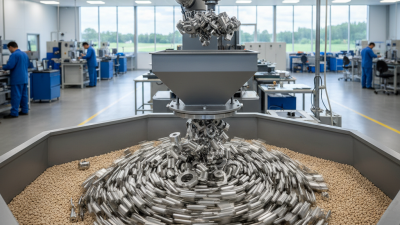
As the machine operates, the workpieces are placed in a bowl filled with abrasive media. The vibrations cause the media to move, creating a tumbling effect. This motion gently polishes the surfaces of the workpieces. The machine is designed to handle various materials, from metals to plastics. The frequency and amplitude of the vibrations can be adjusted. This allows for customization based on the material and desired finish.
During operation, it's crucial to monitor the process. Over-polishing can occur, leading to unwanted changes in the material's dimensions. The operator must find the right balance to achieve an optimal finish. Regular maintenance of the machine is also essential. A well-maintained machine operates efficiently and provides consistent results. Yet, no machine is perfect, and occasional adjustments will be necessary.
Vibratory Polishing Machine Performance Data
This chart illustrates the average time in hours taken for various polishing processes using a vibratory polishing machine across different materials.
Applications of Vibratory Polishing Machines in Various Industries
Vibratory polishing machines play a crucial role across various industries, including automotive, aerospace, and jewelry. These machines effectively smooth and polish metal, plastic, and ceramic parts. In the automotive sector, for example, they enhance the aesthetic appeal of components while improving their functionality. Reports indicate that the automotive polishing market alone is projected to reach $3 billion by 2025, highlighting the growing reliance on such machines.
Jewelry manufacturers extensively use vibratory polishing for its ability to create a brilliant shine on intricate designs. The process minimizes human error, yet it demands careful monitoring. Some jewelers report uneven finishes due to machine settings or load discrepancies. This inconsistency emphasizes the need for skilled operators to ensure quality polishing results.
In aerospace, vibratory polishing ensures critical components meet strict safety standards. The technology is employed for both cosmetic and functional purposes, such as removing burrs from turbine blades. Industry reports reveal that maintaining these high-quality standards is vital, as even minor flaws can lead to catastrophic failures. The challenge lies in achieving the balance between efficiency and precision, a task that remains a focal point for manufacturers.
Advantages of Using Vibratory Polishing Machines Over Other Methods
Vibratory polishing machines offer a unique edge in surface finishing. Their ability to provide consistent and efficient polishing is a significant advantage. Unlike traditional polishing methods, vibratory machines utilize vibrations to create a controlled environment. This leads to uniform finishing of parts, ensuring every surface is treated equally.
One key benefit of vibratory polishing is time efficiency. These machines can process multiple parts simultaneously, which reduces the overall time needed for polishing. Additionally, the vibration enhances the effectiveness of the polishing media, resulting in a smoother finish quicker than manual methods. The adjustable settings allow for customization to achieve desired results. Users can experiment, finding the right balance for different materials.
However, it's important to note that vibratory polishing isn't without its challenges. Some parts may experience uneven wear if not correctly set up. Continuous monitoring is essential to achieve optimal results. Moreover, while these machines are versatile, not every application suits them. Customizing approaches based on specific requirements is crucial. This balance of efficiency and potential pitfalls underscores the importance of careful operation and expertise in using vibratory polishing machines.