Why Choose a Dyeing Machine for Textile Production?
Textile production depends on repeatable color, efficient batch handling, and careful control of water, heat, and chemicals. A dyeing machine brings these tasks into a managed process, helping mills treat fabrics or yarns with more consistent conditions. The right equipment can support dependable shade matching and reduce avoidable rework. But results still depend on the material, recipe, loading, and operator decisions.
A practical choice starts with the product being dyed. A compact batch machine may suit varied orders, while continuous equipment can fit stable, high-volume production. Check working capacity, liquor ratio, temperature range, fabric movement, and cleaning access. Small details count. A narrow inspection hatch or awkward drain can slow routine work more than expected. Controls should be clear enough for operators to monitor a cycle and record settings, not merely start the machine.
There is no universal best option. No machine removes every process variable; that expectation deserves a second look. Before purchasing, compare technical specifications with actual production needs, review maintenance requirements, and ask for a trial using representative material. A supplier’s performance claims are useful, but sample results and service support matter too. The decision is not only about speed. It is about whether the dyeing machine can deliver repeatable results without creating new bottlenecks in your mill.

What Is a Textile Dyeing Machine?
A textile dyeing machine is equipment that applies color to fabric, yarn, or loose fibers under controlled conditions. It brings the material into contact with dye liquor, then manages key factors such as temperature, circulation, timing, and, where required, pressure. The aim is to help color reach the material evenly and stay consistent through processing.
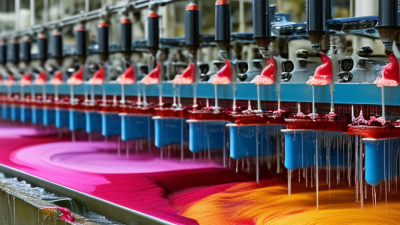
Different machines suit different materials and production methods. A jet dyeing machine moves fabric through circulating liquor, while a jigger guides woven fabric between rollers and a dye bath. Package machines push liquor through wound yarn. Each design handles material differently. That matters: delicate knits may stretch in unsuitable equipment, and tightly wound yarn can dye unevenly if liquor flow is poor.
In daily production, operators check the recipe, load weight, water level, and heating rate before a run. Small choices count. A sensor reading may look stable while fabric folds restrict circulation, so inspection still matters. Dyeing machines can improve repeatability, but they cannot correct every issue in preparation or material quality. Even a well-controlled run may need adjustment. The machine is one part of a process, not a guarantee of perfect color.
How Does a Dyeing Machine Work?
A dyeing machine transforms loose fibers, yarn, or fabric through controlled contact with water, dye, heat, and chemicals. Its core task is simple: move dye evenly into every section. Inside the vessel, a pump circulates the dye bath through the material. Pressure and fabric movement reduce stagnant areas, where pale streaks may appear. Operators monitor temperature, pH, time, and liquor ratio throughout the cycle.
The process usually begins with loading and wetting. Wetting matters. Dry pockets can resist dye penetration. The machine then raises temperature at a programmed rate, allowing the dye to migrate and bond. Sensors track changing conditions, while valves control water, steam, and drainage. For reactive or acid dyes, chemical additions must follow a measured sequence. Adding them too quickly can cause uneven shades. That mistake is common.
After dye fixation, the machine drains and rinses the load several times. Some cycles include soaping to remove unfixed color from the surface. The final result depends on more than the machine itself. Water quality, fabric preparation, loading density, and calibration all matter. In production, experienced technicians compare readings with fabric samples under consistent lighting. They may adjust the next recipe because laboratory settings do not always behave identically at scale. This is where practical judgment remains important. A machine can repeat a process, but it cannot notice every subtle fabric change.
Why Choose a Dyeing Machine for Textile Production?
A dyeing machine provides controlled circulation of textile, dye liquor, heat, and chemicals. The representative cotton reactive-dyeing profile below shows how temperature changes across the main process stages.
During preparation and dyeing, the machine wets the material and circulates the dye liquor evenly. Fixation commonly occurs around 60°C for cotton reactive dyes, while soaping may use temperatures near 95°C to remove unfixed dye. Actual settings depend on fiber type, dye chemistry, fabric construction, and machine design.
Values shown are representative operating temperatures for a conventional cotton reactive-dyeing process, not a brand-specific specification.
Which Dyeing Methods and Fabrics Are Compatible?
Why Choose a Dyeing Machine for Textile Production?
Which Dyeing Methods and Fabrics Are Compatible?
Textile Exchange’s 2024 Materials Market Report estimates that polyester represented about 57% of global fiber production in 2023. This makes disperse dyeing essential for polyester fabrics. Jet machines work well with knitted polyester because fabric movement remains gentle. They also support controlled temperatures near 130°C. Cotton usually requires reactive dyes, salt, alkali, and careful washing. Beam machines suit woven cotton, while overflow machines handle many knitted structures.
Different fabrics need different chemical routes. Nylon and wool commonly use acid dyes, often in winch or jet equipment. Denim may use vat or sulfur dyes through continuous ranges. Blended fabrics are more difficult. Polyester-cotton garments can require two-stage dyeing, because each fiber absorbs color differently. Pigment padding can reduce water use, but it may produce a stiffer hand feel. According to Textile Exchange, global fiber production reached approximately 124 million tonnes in 2023, so equipment flexibility matters at industrial scale.
A laboratory dip is essential.
In production, I would check fiber content, fabric weight, liquor ratio, and heating speed before selecting a machine. A technically compatible machine can still create barre, creasing, or uneven shade. I have seen small pretreatment differences change the final color noticeably. Dyeing machines improve repeatability, but they do not replace process discipline. More testing is still needed.
What Are the Main Production Benefits?
A dyeing machine can turn a variable wet process into a measurable production system. This matters as textile volumes rise. Textile Exchange reported 124 million tonnes of global fiber production in 2023, with demand projected to reach 160 million tonnes by 2030. More output requires tighter process control.
Modern machines regulate temperature, pH, dosing, rotation, and liquor movement. Operators can repeat a recipe across batches, reducing shade variation and rework. A lower-liquor-ratio system may also reduce water, chemicals, and heating demand per kilogram. The European Commission’s textile Best Available Techniques reference identifies water and energy efficiency as major priorities in wet processing. Small adjustments matter.
Less waste means more usable fabric. It also means fewer delayed shipments and fewer rejected rolls. That is practical value.
Automation improves production records, too. Digital logs can connect each batch with its recipe, temperature curve, and chemical additions. This supports quality investigations and customer audits. The ZDHC wastewater guidelines emphasize controlled chemical inputs and reliable wastewater management, both of which depend on accurate process information.
However, a dyeing machine is not an instant solution. Poor calibration can reproduce the same mistake at higher speed. Skilled technicians remain necessary for fabric loading, recipe correction, and color assessment. Energy savings may also disappoint when machines run underfilled or maintenance is neglected. Textile Exchange’s 2024 materials data shows an industry under pressure to grow while reducing environmental impact. Equipment choices should therefore be tested against actual fabric types, batch sizes, water use, and rework rates.