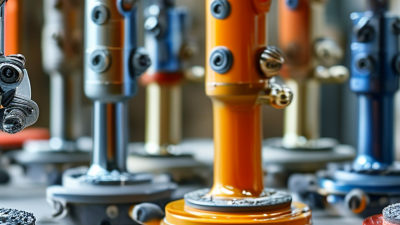
A dyeing machine is industrial equipment that gives textile fibers, yarns, or fabrics a controlled color. It combines water, dyes, chemicals, heat, and movement inside a carefully monitored system. In a typical batch machine, fabric enters a stainless-steel chamber and circulates through a dye bath. Pumps maintain flow, while sensors monitor temperature, pressure, pH, and time. Heat matters. Agitation matters too. These conditions help dye molecules move from the liquid into the fiber structure. After dyeing, the machine drains, rinses, and often performs washing or softening steps. The exact sequence depends on the fiber, dye class, fabric weight, and required shade.
The global scale makes this process important. Textile Exchange’s Materials Market Report 2024 estimates that global fiber production reached about 124 million tonnes in 2023. It may rise to approximately 160 million tonnes by 2030. More material means greater pressure to control water, energy, chemicals, and reprocessing. The International Textile Machinery Federation also tracks continuing investment across textile processing equipment, showing that machinery efficiency remains an industry concern. However, a report cannot describe every factory floor. Real conditions vary.
A modern dyeing machine may reduce liquor ratios, recover heat, and record each batch digitally. These features can improve consistency and support traceability, but they do not guarantee responsible production. Operators still need verified recipes, calibrated sensors, safe chemical handling, and wastewater controls. A lower water figure may also hide extra rinsing or rejected fabric. That deserves reflection. This guide explains how dyeing machines work, what their main components do, and where technical choices affect color quality, cost, and environmental performance.
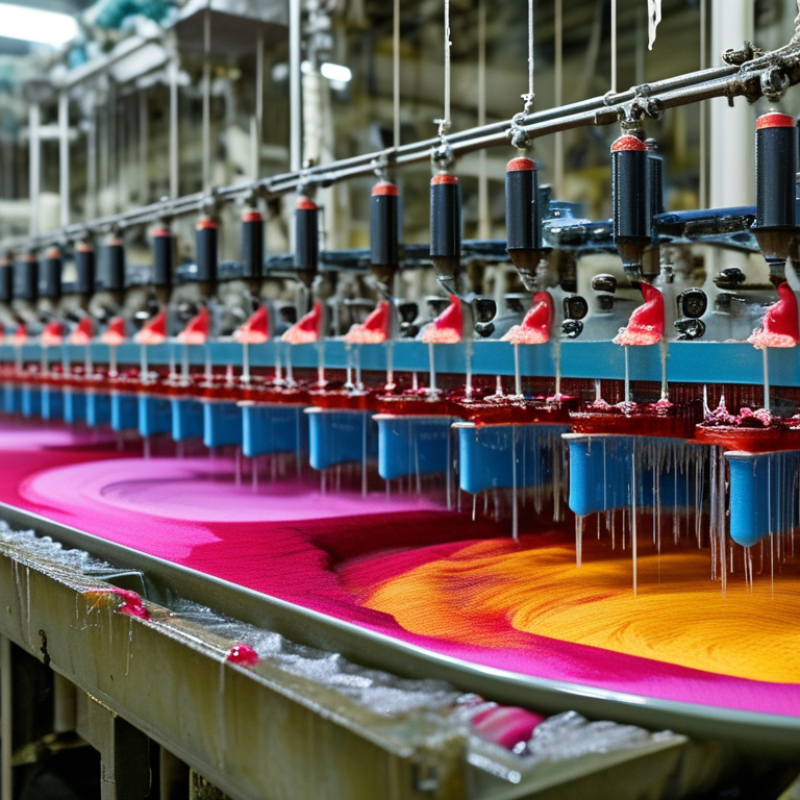
A dyeing machine is industrial equipment that applies color evenly to textile materials. It may process yarn, fabric, or finished garments. Its main purpose is to create a stable shade while protecting the material’s texture, strength, and appearance.
Inside the machine, material moves through a controlled bath containing water, dye, and selected chemical assistants. Pumps or rotating drums maintain circulation, so the dye can reach different surfaces. Temperature, time, pH, and movement must remain within measured ranges. Even heating helps prevent pale edges, dark centers, or uneven patches. Operators also check the material-to-liquor ratio, because excess water can reduce efficiency and change the final shade.
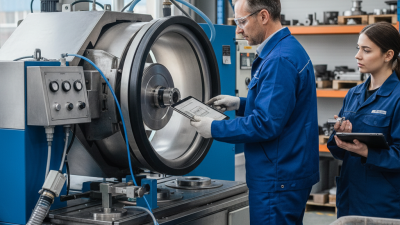
In daily production, technicians inspect samples during and after dyeing. A small color difference matters. They compare samples under consistent lighting and record each adjustment for repeatability. However, the process is not perfectly predictable. Fiber condition, moisture, machine loading, and water quality can affect the result. I have found that a carefully written recipe still needs practical judgment. The machine controls the conditions, but people interpret the material’s response.
Modern dyeing machines may reduce water use and improve temperature control. Yet efficiency should not replace quality checks. Poor circulation can waste energy, chemicals, and fabric. Regular cleaning, calibrated sensors, and safe operating procedures support reliable performance. A dyeing machine is therefore more than a coloring vessel; it is a controlled system for transferring color into textile fibers with measurable consistency.
What Is a Dyeing Machine and How Does It Work?
A dyeing machine applies color evenly to textile materials through controlled heat, water flow, and chemical movement. The machine holds fabric in a sealed or open chamber, depending on its design. A pump circulates the dye liquor through the material. Heat helps the fibers absorb color, while sensors monitor temperature, pressure, and liquid level. The process looks simple, but small changes can affect shade and fabric handle.
Main Components and Their Functions
The dyeing vessel provides space for fabric movement and dye circulation. A circulation pump pushes the liquor through the chamber and prevents uneven concentration. Heat exchangers raise or reduce temperature without direct flame contact. Nozzles or rollers guide the fabric and reduce tangling. Filters catch loose fibers and protect the pump. Control panels manage timing, speed, temperature, and dosing. Reliable machines still need regular inspection. A blocked filter can quietly create streaks.
Tips: Check the fabric load before starting. Overloading restricts movement and causes patchy color. Keep temperature sensors clean. Verify the liquor ratio for each fabric type. Record actual settings, not only planned settings. This matters because production results rarely match theory perfectly. A short test run can reveal poor circulation, unexpected shrinkage, or a shade problem before the full batch begins. Never ignore unusual vibration or pressure changes. Small warnings can become expensive faults.
| Component or Data Dimension | Main Function | How It Works | Typical Materials or Operating Data | Main Process Effect |
|---|---|---|---|---|
| Dyeing Vessel | Holds the textile material, dye liquor, auxiliaries, and process water. | The textile remains in contact with a controlled dye bath while temperature, time, and liquor movement are regulated. | Commonly stainless steel; atmospheric vessels may operate near boiling point, while pressurized vessels can exceed 100°C. | Provides the controlled environment required for dye absorption and fixation. |
| Material Loading System | Feeds yarn, fabric, garments, or loose fibers into the machine. | Rollers, carriers, baskets, beams, or rope-entry devices move the material through the dyeing zone. | The design depends on the material form: package, beam, jigger, winch, jet, or garment loading. | Controls material tension, crease formation, loading capacity, and liquor contact. |
| Liquor Circulation Pump | Moves dye liquor through the textile and the circulation loop. | A controlled pump creates continuous flow, helping distribute dye and chemicals evenly. | Flow rate is selected according to fabric construction, machine volume, and allowable pressure drop. | Improves color uniformity and reduces local concentration differences. |
| Heat Exchanger or Heating System | Raises and maintains the dye bath temperature. | Steam, thermal fluid, or electrical energy transfers heat to the circulating liquor through a controlled heat-transfer surface. | Temperature ramps may be programmed to limit rapid dye uptake and prevent uneven shade development. | Influences dye migration, exhaustion, fixation rate, and energy consumption. |
| Temperature Sensor | Measures the actual temperature of the dye liquor. | The sensor sends readings to the control system, which adjusts heating or cooling to follow the recipe. | Common sensor technology includes resistance temperature detectors used for process monitoring. | Supports repeatable shade, controlled heating rates, and process safety. |
| Chemical and Dye Dosing System | Adds dyes, salts, alkalis, acids, and auxiliaries in the required quantities. | Liquids or dissolved chemicals are introduced manually or through metering tanks and dosing pumps at programmed stages. | Addition rate and timing depend on the dye class, fiber type, liquor ratio, and recipe. | Controls shade depth, fixation, leveling, and chemical efficiency. |
| Filter or Lint Separator | Removes lint, loose fibers, and solid particles from the circulating liquor. | The liquor passes through a screen or filter element before returning to the circulation path. | Cleaning intervals depend on fiber shedding, fabric construction, and batch size. | Protects pumps and valves while reducing surface defects and redeposition. |
| Drain, Rinse, and Water-Inlet Valves | Controls filling, draining, rinsing, overflow, and bath replacement. | Automated valves open and close according to the programmed sequence and tank level. | Rinsing may use several water exchanges to remove unfixed dye and residual chemicals. | Affects washing efficiency, water consumption, wastewater volume, and final fastness. |
| Control Panel and Programmable Controller | Coordinates the dyeing recipe and monitors machine conditions. | The controller sequences heating, circulation, dosing, rinsing, timing, and alarms based on programmed set points. | Typical recipe variables include temperature, ramp rate, holding time, pH, dosing time, and bath changes. | Improves repeatability, traceability, operator control, and process consistency. |
| pH Monitoring and Adjustment | Maintains the chemical condition required by the selected dye system. | pH is measured with a probe or checked by sampling, then adjusted with acids, alkalis, or buffers. | The required pH varies significantly between fiber and dye combinations. | Influences dye solubility, fiber affinity, fixation, and color stability. |
| Safety and Pressure Protection | Protects operators and equipment from excessive pressure, temperature, or unsafe access. | Interlocks prevent door opening during unsafe conditions, while relief devices control abnormal pressure. | Especially important for high-temperature, pressurized, and sealed dyeing systems. | Reduces the risk of injury, leakage, equipment damage, and process interruption. |
A dyeing machine moves fabric through a controlled bath of water, dye, and auxiliaries. Its main job is to create even color across every fiber. Different machines handle loose fibers, yarn, or finished fabric. The machine type affects circulation, tension, and dye absorption.
The process begins with loading and weighing the material. Operators then select a recipe based on fiber type, target shade, and fabric weight. Water enters the vessel at a measured liquor ratio. The fabric must move freely, or creases may trap uneven color. The bath is heated gradually while the dye dissolves separately. Small additions are often safer than one large dose.
Timing matters.
As temperature rises, chemicals help the dye bond with the fibers. Sensors monitor heat, pH, and sometimes pressure during circulation. Experienced operators check samples instead of trusting the display alone. A small color difference can become obvious after drying.
In practice, the process is not perfectly predictable. Water hardness, fabric preparation, and machine loading can all change the result.
After dyeing, the fabric is rinsed to remove loose dye. Additional washing may improve fastness and surface cleanliness. The final fabric is then softened, extracted, and dried under controlled conditions. Quality checks compare shade, appearance, and performance against the approved standard.
Different dyeing machines suit different fabrics, batch sizes, and color targets. A jet dyeing machine circulates fabric through a heated dye bath using strong liquid flow. It works well for knitted fabrics because the rope-like fabric movement reduces creasing. Air-flow machines use air and smaller liquor volumes, which can lower water use. However, lower water use does not automatically mean lower energy consumption.
Jigger machines guide open-width fabric between two rollers and dye troughs. They provide good control for woven fabrics, but tension may affect lightweight materials. Beam dyeing machines hold fabric on perforated beams, allowing dye to pass through tightly wound layers.
Package dyeing machines push dye through yarn cones or cheese packages, creating consistent shades inside and outside the package. Garment dyeing machines process finished clothing, although seams, buttons, and trims can react differently.
Textile Exchange reported that polyester represented about 57% of global fiber production in 2023, while cotton represented approximately 22%. This mix increases the need for machines that handle synthetic and cellulosic fibers carefully.
Tips: Match the machine to fabric structure, not only production speed. Check liquor ratio, heating rate, nozzle pressure, and actual shade variation. Operators should record these values for every batch. A smaller liquor ratio may save water, but it can expose uneven loading or poor dosing. That is where machine selection becomes less obvious. In practice, even experienced teams sometimes choose efficiency before fabric behavior. A trial batch remains valuable.
What Is a Dyeing Machine and How Does It Work?
Factors Affecting Dyeing Quality and Efficiency
A dyeing machine circulates dye liquor through fabric under controlled temperature, time, and pressure. Its performance depends heavily on preparation. Grease, sizing agents, or uneven moisture can block dye absorption. Clean fabric matters. I have seen small preparation errors create visible streaks after drying.
Water quality also affects the final shade. Hard water may react with dyes and reduce color uniformity. The dye bath should maintain a stable pH throughout processing. Temperature must rise gradually, especially with sensitive fibers. A sudden increase can cause rapid dye uptake and patchy results. Dye concentration, liquor ratio, and bath movement require careful adjustment. Too much water increases energy use. Too little water may restrict circulation.
Fabric loading is another practical concern. An overloaded machine can produce rope marks, creases, and pale sections. Proper circulation helps every surface contact the dye bath evenly. Operators should check pumps, filters, temperature probes, and dosing systems before each run. Calibration is easy to postpone. That is a mistake.
Efficient dyeing also depends on accurate timing and heat recovery. Shorter cycles are not always better. Insufficient fixation can cause poor wash fastness and repeated processing. Sample checks during production can reveal shade drift early. However, sampling alone cannot replace process records. Recording pH, temperature curves, chemical additions, and machine speed makes defects easier to trace and correct.
The liquor ratio indicates the approximate amount of dye bath liquor used per kilogram of fabric. Lower liquor ratios can reduce water, chemical use, heating demand, and wastewater volume, but they require effective circulation and accurate control to maintain even dye penetration. The values shown are representative industry ranges expressed as midpoint estimates; actual settings vary according to fiber type, fabric construction, dye class, machine design, and process recipe.