Discover the Best Vibratory Polishing Machine for Your Needs?
In the world of surface finishing, a vibratory polishing machine is an essential tool. It enhances the shine and smoothness of various materials. This equipment uses vibrations to create a gentle yet effective polishing process.
Choosing the right vibratory polishing machine can be overwhelming. Each machine comes with different features and capabilities. Understanding your needs is crucial. Are you polishing metals or ceramics? What is the volume of work? These questions help narrow down your options.
Many users overlook details in their choices. Some may prioritize price over quality, leading to unsatisfactory results. In the long run, investing in a reliable vibratory polishing machine pays off. The right choice can improve efficiency and product quality. Thus, take the time to research and understand your specific requirements for the best results.
Understanding Vibratory Polishing: How It Works and Its Benefits
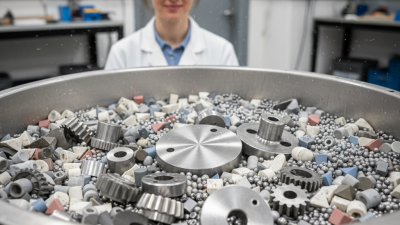
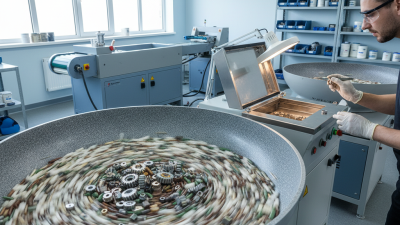
Vibratory polishing is a fascinating technique used in metal finishing. It involves placing parts inside a machine that vibrates them against polishing media. This motion, combined with the right media, results in a smooth, polished surface. Unlike traditional methods, vibratory polishing can handle complex shapes and intricate designs. This method is less labor-intensive and produces consistent results.
The benefits of vibratory polishing are significant. It not only enhances the aesthetic appeal of parts but also improves functionality by removing burrs and imperfections. The process is efficient, saving time and labor costs. However, selecting the right media and machine is crucial to achieve the desired results. The finer the media, the smoother the finish. Users must experiment and adjust settings to find what works best.
Some challenges come with vibratory polishing. It requires careful monitoring and adjustments. Over-polishing can lead to undesirable results, such as thinning of parts. Understanding the dynamics of the machine helps in achieving optimal outcomes. Gaining expertise in vibratory polishing takes time and practice, but the rewards are rewarding with the right approach.
Discover the Best Vibratory Polishing Machine for Your Needs
| Model |
Capacity (lbs) |
Motor Power (HP) |
Frequency (Hz) |
Price ($) |
Benefits |
| VPM-200 |
200 |
1.5 |
60 |
1500 |
Efficient, Quiet Operation |
| VPM-300 |
300 |
2 |
60 |
2000 |
High Capacity, Versatile |
| VPM-400 |
400 |
2.5 |
60 |
2500 |
Fast Polishing, Durable |
| VPM-500 |
500 |
3 |
60 |
3000 |
Premium Features, Highly Efficient |
Key Features to Look for in a Vibratory Polishing Machine
When searching for the ideal vibratory polishing machine, certain features play a crucial role. The motor power is essential. A stronger motor allows for efficient polishing. However, a more powerful motor may also increase energy consumption. It's important to find a balance that fits your specific needs.
Another critical feature is the machine's design. A user-friendly interface can enhance your experience. Some machines come with adjustable settings, allowing you to customize the polishing speed. However, overly complex designs may lead to confusion. Simplicity often works best, especially for newcomers in the field.
The size and capacity of the machine matter, too. A larger capacity can handle more parts simultaneously, boosting productivity. On the flip side, bigger machines occupy more space. Consider your workshop’s layout when making a choice. Durability is vital, but it can come with a higher price. Therefore, it's wise to evaluate your budget carefully.
Comparison of Different Types of Vibratory Polishing Machines
When selecting a vibratory polishing machine, understanding the differences is key. There are several types available, each with its unique features. For instance, the standard vibratory machine often uses a bowl to hold the media and parts. It provides efficient mass finishing due to its bulk processing capability. Meanwhile, a barrel tumbler design offers a more compact solution, ideal for smaller components. Some users find these machines scalable for various sizes, which can be a significant advantage.
Another option is a high-energy vibratory machine, which operates at higher frequencies. This approach can reduce processing time significantly. However, it can lead to over-polishing if not monitored closely. Users might appreciate the rapid results but should remain aware of the risk of damage. The delicate balance between speed and quality is essential in this scenario.
Selecting the right machine requires assessing specific needs. While some prefer a fast-paced solution, others may value a more gentle approach. Frequent adjustments and careful monitoring of the process are vital. Reflecting on your own experiences helps in making the best choice tailored to your requirements.
Tips for Selecting the Right Polishing Media for Your Machine
When selecting the right polishing media for your vibratory polishing machine, consider the material being polished. Different materials require distinct media types for effective results. For example, stainless steel may benefit from ceramic media, while softer metals could require plastic or rubber media. Each type has its strengths, ensuring a better finish based on the material.
Another crucial tip is to consider the size and shape of the media. Smaller media can navigate tight spaces and complex geometries effectively. Conversely, larger media may be better for flat surfaces. The balance between size and shape influences the polishing speed and quality. Experimenting with various combinations might be necessary to find the perfect match.
Lastly, the hardness of the media impacts the polishing process. Softer media inflicts less abrasion, suitable for delicate finishes. Harder media can provide aggressive polishing but might risk damaging softer materials. Reflecting on your specific needs is essential to choose the most appropriate polishing media for your application.
Maintenance and Care for Your Vibratory Polishing Machine
Proper maintenance of your vibratory polishing machine is crucial for optimal performance. Regular cleaning is essential to prevent buildup of media residue. According to industry reports, neglect in cleaning can reduce machine efficiency by up to 30%. It's advisable to inspect and replace worn-out bowls and liners periodically. The materials used can wear down over time, impacting the polishing quality.
Lubrication of moving parts should not be overlooked. Applying the right lubricant helps maintain functionality and extends the life of the machine. A study revealed that machines with consistent lubrication demonstrated a 25% increase in longevity. Operators should perform regular checks and address any unusual noises or vibrations immediately. These signs often indicate underlying issues that could lead to costly repairs.
Documenting maintenance schedules and procedures is effective. This practice creates accountability and ensures that no steps are overlooked. Inconsistent maintenance can lead to unexpected downtime, affecting production efficiency. Engaging in a thoughtful review of your maintenance practices encourages sustainable operations.
Vibratory Polishing Machine Performance Comparison