Best Vibratory Polishing Machine for Global Buyers?
In the competitive landscape of manufacturing, the vibratory polishing machine has gained immense popularity. According to industry reports, the global vibratory finishing equipment market was valued at approximately $2 billion in 2022, with significant growth expected in the coming years. These machines are essential for precision polishing, providing consistent results that manual methods cannot achieve.
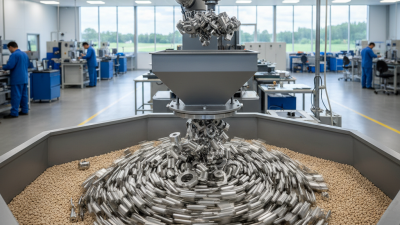
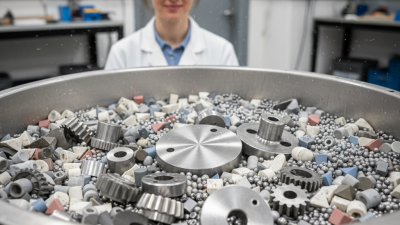
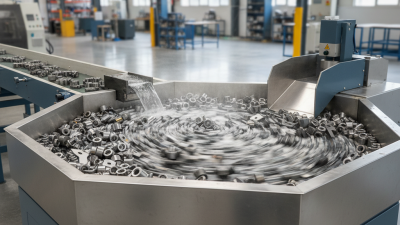
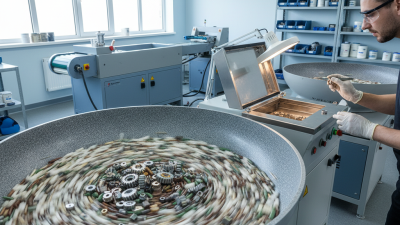
Vibratory polishing machines are known for their efficiency and versatility. They work by agitating parts in a media-filled bowl, resulting in smooth finishes. This method reduces labor costs and ensures product quality. For instance, a recent study highlighted that companies using vibratory polishing reported a 30% reduction in processing time compared to traditional polishing techniques.
However, buyers should be cautious. Not all machines are created equal, and quality can vary significantly. It is vital to consider factors like durability, size, and ease of maintenance. Investing in a lower-quality vibratory polishing machine can lead to increased operational costs and downtime. Potential buyers must reflect on these aspects to make an informed decision.
Best Vibratory Polishing Machine: Overview of Leading Models
Vibratory polishing machines have become essential in various industries. Their ability to polish and deburr various materials significantly enhances production efficiency. According to industry reports, the demand for these machines has increased by over 25% in the last five years. This growth highlights their relevance in modern manufacturing processes.
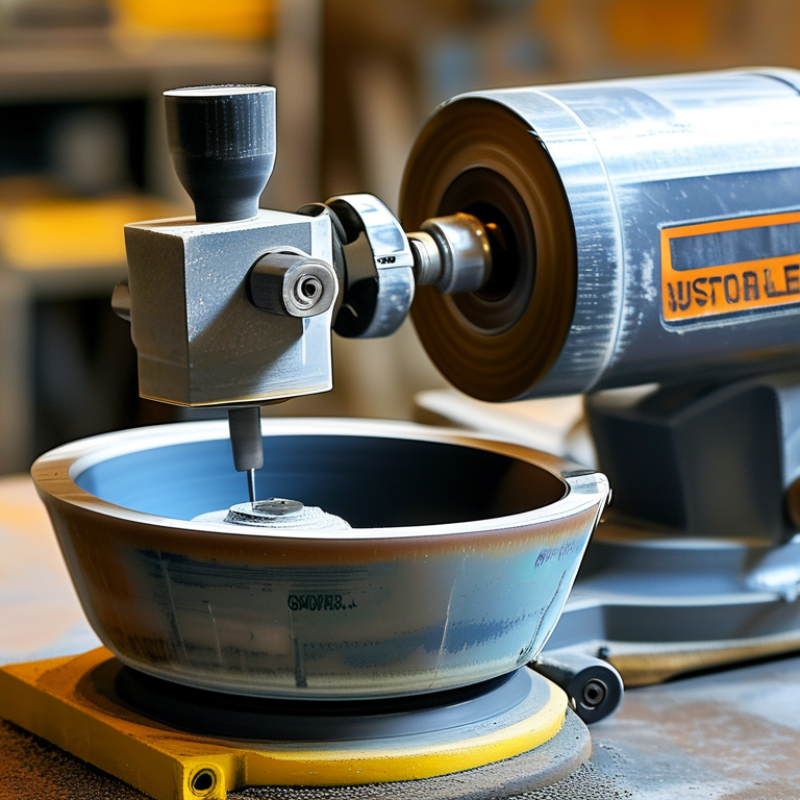
When considering leading models, factors like vibration frequency and bowl size are crucial. Machines with adjustable vibration settings can cater to different materials and polishing needs. A well-calibrated machine could reduce processing time by up to 30%, according to recent studies. Features such as soundproofing and dust collection systems improve user experience and workplace safety.
Tips: Regular maintenance is key to optimal performance. Inspect parts for wear and tear regularly. Additionally, calibrate the machine to avoid uneven polishing results. Remember, a machine that works well today may require adjustments tomorrow. Keep learning and evolving with the technology.
Key Features of Vibratory Polishing Machines for Optimal Performance
When choosing a vibratory polishing machine, several key features ensure optimal performance. The size of the machine matters for effective results. A larger machine can handle bulkier items, while smaller models are ideal for delicate tasks. A report from the International Journal of Industrial Research indicates that machines with variable speed settings provide better control over the polishing process. Adjusting speed affects the final finish, allowing users to achieve desired outcomes more precisely.
Another crucial aspect is the type of media used in the polishing process. Studies suggest that ceramic media can outperform plastic alternatives in certain applications. For heavy-duty polishing, ceramic is often more efficient in removing surface imperfections. Furthermore, the design of the bowl plays a pivotal role. Machines with an optimal shape and angle enhance the movement of media and components, leading to uniform polishing. Monitoring these details can significantly improve the overall efficiency and quality of polishing tasks.
Despite advancements, users often face challenges. For example, achieving the right balance of media and workpiece weight can be tricky. Too much media may lead to ineffective polishing, while too little can cause uneven finishes. It’s important to experiment and adjust these variables. Continuous evaluation ensures that the machine operates at peak efficiency, ultimately leading to better results.
Best Vibratory Polishing Machine for Global Buyers
| Model |
Capacity (L) |
Motor Power (HP) |
Vibration Frequency (Hz) |
Dimensions (mm) |
Weight (kg) |
| Model A |
50 |
1.5 |
40 |
800 x 600 x 600 |
120 |
| Model B |
75 |
2.0 |
50 |
900 x 700 x 700 |
150 |
| Model C |
100 |
3.0 |
60 |
1000 x 800 x 800 |
180 |
Industry Standards: Effective Vibratory Polishing Techniques and Metrics
Vibratory polishing machines are essential in various industries, including metals, plastics, and ceramics. Effective polishing techniques significantly enhance surface quality and reduce production time. Industry metrics show that a well-optimized vibratory process can increase efficiency by up to 40%. Understanding these standards helps buyers make informed choices.
One effective technique is controlling the media type and size. Research indicates using smaller abrasive media can improve finish quality on intricate parts. It's important to match the media with the material being polished. Experimenting with different combinations often yields better results. However, this process can be time-consuming and may not always bring the desired outcome.
Tips: Regularly monitor your machine's vibration frequency. Fluctuations can lead to inconsistent polishing results. Additionally, testing polishing parameters on sample pieces can reveal much about the effectiveness of your chosen method. Keep in mind, what works for one material might not work for another. Adjustments may be necessary, reflecting the complexity of vibratory polishing practices.
Comparative Analysis: Cost vs. Efficiency in Vibratory Polishing Machines
When selecting a vibratory polishing machine, understanding the balance between cost and efficiency is crucial. Each machine offers different features that impact its performance. A polished finish is often the goal, but efficiency plays an essential role in operational costs. Machines with higher initial costs may offer greater durability and faster processing times. However, budget-friendly options may lead to frequent maintenance and replacements.
Tips: Evaluate the specific materials you will polish. Different machines may perform better with certain materials. Research how long each machine can run continuously. This can significantly affect your productivity.
Choosing the right machine also involves considering the size and weight of the parts to be polished. Many machines have a capacity limit, which can impact efficiency. Smaller machines can't handle larger volumes, leading to longer processing times. It's also important not to overlook the energy consumption of a unit. A machine that runs efficiently can lead to savings in the long run.
Tips: Always read user reviews. Feedback from other users can shed light on potential issues or benefits you may not have considered. Engage with professionals in your industry for recommendations. Their experience can provide invaluable insights.
Comparative Analysis of Vibratory Polishing Machines
Global Market Trends: Vibratory Polishing Machine Demand and Supply Insights
The demand for vibratory polishing machines is on the rise globally. Industries are seeking efficient ways to enhance product finishes. This trend indicates a growing need for high-quality surface treatment solutions. The vibratory polishing process is known for its ability to handle various materials, especially metals and plastics. Manufacturers are focusing on technological advancements to meet this rising demand.
When selecting a vibratory polishing machine, consider the specific requirements of your production line. Size, capacity, and expected finish quality are crucial factors. Ensure that the machine can handle the volume of parts you need to process. Sometimes, less expensive options can compromise quality, which is not ideal for long-term use.
Tips: Regular maintenance of vibratory polishing machines is essential. Neglecting maintenance can lead to diminished performance and increased downtime. Also, keep an eye on supply chain fluctuations. Understanding market trends can help you make informed purchasing decisions. The right machine can significantly enhance production efficiency, but first, weigh your choices carefully.