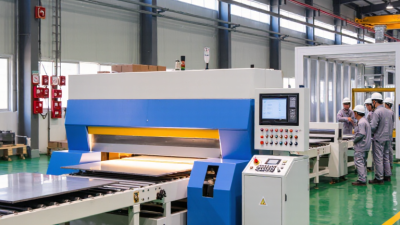
China has become an important sourcing market for finishing systems used in furniture, metalworking, printing, and other manufacturing sectors. Its suppliers offer a wide range of equipment, from compact spray booths to integrated lines with drying, conveying, and process controls. For buyers, the challenge is not simply finding a manufacturer. It is matching a system to the product, production volume, available floor space, and finish quality required.
This guide introduces ten Chinese manufacturers and the capabilities buyers may want to examine. Company profiles should be assessed through practical details: supported materials, line configuration, equipment dimensions, control options, and after-sales service. Ask for technical documents and, where possible, a demonstration using representative workpieces. Details matter. A polished product photo cannot show cleaning access, changeover time, or how evenly a coating cures across a real batch.
The list is a starting point, not a universal ranking. A supplier suited to high-volume automotive parts may not fit a small furniture workshop, and published specifications do not always tell the full story. That deserves a closer look. Compare quotations on the same production requirements, confirm what is included in installation and training, and discuss maintenance needs before making a decision. Careful checks can help buyers identify a finishing systems partner that fits both current production and future plans.
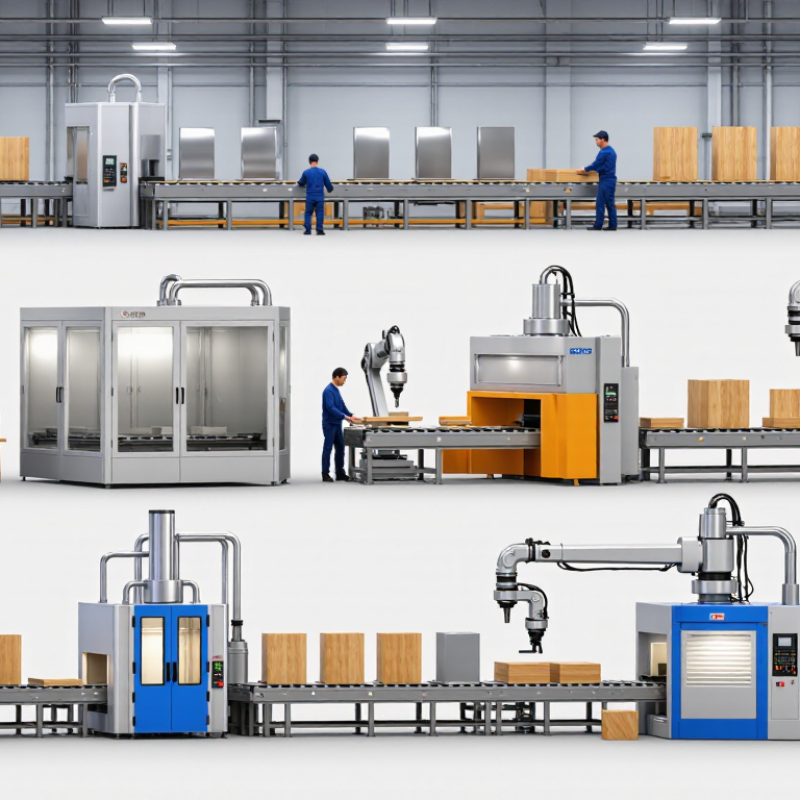
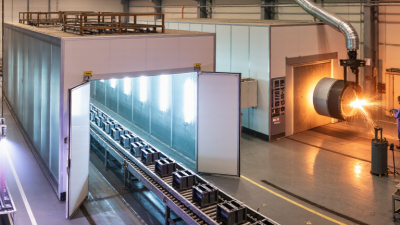
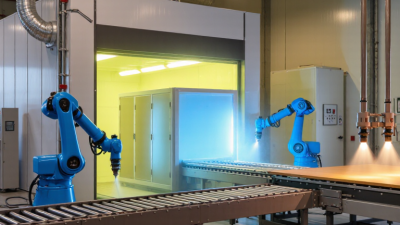
Finishing systems combine surface preparation, coating or treatment, curing, material handling, and inspection. They may serve metal parts, wood panels, plastics, or other products, so equipment choices depend on the material and desired finish. A typical line might use a wash station, drying tunnel, spray booth, conveyor, and curing oven. Not every factory needs every stage.
The process usually begins by removing dust, oil, or loose residue. A prepared part then receives paint, powder, plating, or another specified finish. Conveyors keep parts moving at a controlled pace, while airflow and temperature help the coating settle and cure. Operators monitor film thickness, surface appearance, and oven conditions. Small changes matter. A crowded rack, for example, can block airflow and leave uneven results. Even a well-designed system needs regular adjustment.
Tips: Test the full process with representative parts before setting production speeds. Check corners and recessed areas, where coverage can be weak. Record temperature, conveyor speed, and inspection results; these notes help trace defects, though real production rarely behaves perfectly.
China’s finishing systems manufacturing landscape includes equipment builders, process engineers, and integrated line suppliers. Their projects can combine surface preparation, spray booths, curing ovens, conveyors, and controls. Capabilities vary widely. Some manufacturers focus on standard modules, while others engineer layouts around a factory’s products, floor space, and production rate.
A well-designed line depends on more than its visible machinery. Stable airflow helps manage overspray, while even oven temperatures support consistent curing. Buyers can ask for process data, equipment specifications, and factory acceptance test plans. Useful checks include temperature uniformity, conveyor speed, coating thickness, and access to filters and maintenance points. Small details matter. A blocked service aisle can slow routine work.
China’s supplier base offers options across different levels of automation and project scope, but a catalogue cannot prove real-world performance. Compare engineering support, commissioning plans, spare-parts availability, and the supplier’s experience with similar materials and workpieces. Request clear answers about energy use and integration with existing lines. That picture is not perfectly uniform. Specifications may look complete, yet operating conditions often expose gaps that deserve another review.
Selecting a finishing systems manufacturer starts with matching its equipment to your actual process. Define the material, part dimensions, target finish, and daily production volume. Then ask how the proposed system handles color changes, temperature control, and routine cleaning. Details matter. A clear answer should include operating ranges, utility requirements, and realistic output assumptions, not just a headline capacity.
Review quality controls across the full project. Request sample inspection records, commissioning steps, and a maintenance schedule. Ask whether technicians can diagnose faults remotely and how quickly common replacement parts are available. If possible, speak with users operating similar equipment, and ask about downtime after installation. A factory visit can reveal practical details, such as clean cable routing or accessible filters. Ask for evidence. Compare quotations by scope, training, warranty terms, and ongoing service—not by price alone. Documentation may be uneven, even among capable suppliers; that is worth discussing directly rather than treating one missing form as proof of poor quality. A shortlist is more reliable when each candidate answers the same questions with verifiable details.
Suggested evaluation weights for comparing manufacturers of industrial finishing systems
The chart presents an example procurement framework, not measured market data or a ranking of companies. Adjust the weights to match your project, and verify technical performance, references, service coverage, and the scope and validity of any relevant certifications.
Profiles of 10 Finishing Systems Manufacturers in China should help buyers compare more than catalog capacity. The World Bank’s World Development Indicators report China’s manufacturing value added at about US$4.66 trillion in 2023. This indicates the scale of its industrial base, but it does not measure demand for finishing equipment. The profiles therefore focus on practical evidence: system types, stated production ranges, automation options, and documented service coverage. Small details matter.
Readers can compare spray booths, pretreatment lines, curing ovens, conveyors, and control systems. Look for operating temperature ranges, line speed, coating recovery, and energy-use information. These details affect finish consistency and running costs. A supplier’s installation references can also reveal experience with different product sizes and production volumes. Yet public specifications are not always independently verified. Some comparisons will remain imperfect.
The profiles should distinguish stated capabilities from independently confirmed results. They should also note whether suppliers explain maintenance access, spare-parts support, and commissioning. These points can be easy to overlook when comparing headline capacity. For context, the World Bank data describe manufacturing value added, not finishing-system performance; equipment claims need separate verification.
Comparing ten finishing-system manufacturers in China works best when each supplier is measured against the same production needs. Catalogs may include spray booths, powder-coating lines, liquid-paint equipment, pretreatment tanks, curing ovens, and conveyors. Yet a broad product range does not prove a line will fit your parts. Ask how the system handles part dimensions, coating thickness, daily throughput, and available floor space. Request a process layout, utility list, and sample cycle time.
Applications differ sharply. Details matter. A metal-furniture shop may prioritize quick color changes, while an agricultural-parts plant may need reliable pretreatment and consistent oven temperatures. Service capability matters just as much as equipment. Check whether commissioning includes operator training, airflow balancing, temperature checks, and documented acceptance tests. Clarify spare-part lead times and remote troubleshooting hours before comparing quotes. These details are easy to overlook; a polished brochure alone cannot confirm strong after-sales support. Some projects still need adjustments after startup.
Tips: Share representative parts, finish specifications, and peak production volumes before requesting proposals. Ask for references from similar applications, not merely a list of installations. Compare energy use, maintenance access, and changeover time alongside purchase price. Keep one requirement open to review; early assumptions can be wrong.
The table compares ten common finishing-system categories supplied by manufacturers in China. It is not a verified company ranking; capabilities vary by supplier and project specification.
| No. | System Category | Typical Products and Processes | Common Applications | Typical Service Capabilities | Key Selection Considerations |
|---|---|---|---|---|---|
| 1 | Powder Coating Lines | Spray booths, powder application equipment, curing ovens, and conveyor systems. | Metal furniture, appliances, architectural components, and fabricated metal parts. | Layout design, equipment integration, commissioning, and operator training are commonly available. | Part size, required throughput, color-change frequency, powder recovery, and oven temperature uniformity. |
| 2 | Liquid Spray Finishing Lines | Wet-spray booths, paint supply equipment, flash-off zones, drying ovens, and exhaust treatment. | Vehicle parts, machinery, metal products, and wood or composite components. | System engineering, booth and ventilation configuration, installation support, and process setup. | Coating material, finish quality, booth airflow, overspray handling, and local emissions requirements. |
| 3 | Electrophoretic Coating Systems | Pretreatment tanks, immersion tanks, rectifiers, rinsing stages, and curing ovens for electrodeposition coating. | Automotive bodies and components, hardware, and other metal parts requiring uniform coverage. | Tank and conveyor design, electrical integration, commissioning, and bath-process support may be offered. | Workpiece geometry, bath control, pretreatment quality, corrosion requirements, and wastewater handling. |
| 4 | Anodizing Lines | Surface preparation, anodizing tanks, rinsing, coloring where specified, sealing, and material-handling equipment. | Aluminum profiles, architectural parts, consumer products, and selected industrial components. | Process-line planning, tank and utility integration, installation assistance, and operating guidance. | Alloy and part dimensions, finish and color targets, bath chemistry, water quality, and chemical safety. |
| 5 | Electroplating Systems | Plating tanks, rectifiers, filtration, rinsing stages, hoists or barrel equipment, and control systems. | Fasteners, hardware, electrical parts, decorative components, and functional metal coatings. | Equipment configuration, automation integration, commissioning, and maintenance support are potential offerings. | Plating chemistry, coating thickness, part shape, production volume, and wastewater treatment requirements. |
| 6 | Coil Coating Lines | Uncoiling and strip handling, cleaning, roll coating, curing ovens, cooling, and recoiling sections. | Prepainted steel or aluminum used in building products, appliances, and other sheet applications. | Line engineering, process-section integration, automation coordination, and commissioning support. | Strip width and thickness, line speed, coating system, oven capacity, and tension-control requirements. |
| 7 | Wood Finishing Systems | Sanding, spray or roller application, drying, and material-handling equipment for wood coatings. | Furniture, doors, flooring, cabinets, and decorative wood panels. | Production-layout planning, equipment matching, installation guidance, and process training may be provided. | Substrate dimensions, coating type, desired surface appearance, drying method, and dust control. |
| 8 | Automotive Pretreatment Systems | Cleaning, rinsing, conversion-coating stages, tanks or spray zones, and associated heating and circulation equipment. | Automotive bodies, chassis parts, and components prepared for subsequent coating. | Process-stage design, tank and piping integration, controls coordination, commissioning, and technical guidance. | Substrate mix, pretreatment chemistry, corrosion targets, water management, and applicable environmental controls. |
| 9 | Vacuum Coating Systems | Vacuum chambers and deposition equipment, with configuration depending on the selected coating process. | Decorative and functional coatings on selected metal, plastic, tool, or optical components. | Chamber configuration, controls integration, installation, commissioning, and process familiarization may be available. | Part size, coating material, required film properties, batch volume, and vacuum-process compatibility. |
| 10 | Surface Preparation and Blasting Systems | Shot-blasting or abrasive-blasting equipment, dust collection, media handling, and optional paint-line integration. | Steel structures, castings, fabricated parts, and components requiring surface preparation before coating. | Equipment sizing, dust-collection configuration, line integration, commissioning, and maintenance guidance may be offered. | Workpiece dimensions, required surface cleanliness, abrasive selection, dust control, and production rate. |