China Top Finishing Equipment Suppliers for Global Buyers

China has become a major sourcing destination for global buyers seeking reliable finishing equipment. Its manufacturers serve textile, printing, metal, wood, and surface-treatment industries. However, supplier quality varies widely. A polished showroom does not always prove strong engineering.

This guide examines China’s leading finishing equipment suppliers through practical purchasing criteria. These include equipment performance, production capacity, energy use, safety controls, customization, documentation, and after-sales support. Buyers should request factory videos, sample results, maintenance schedules, and references from comparable installations. Small details matter. Nozzle design matters. So does spare-parts access.

Quality expert W. Edwards Deming stated, “Quality comes not from inspection, but from the improvement of the production process.” His principle remains useful for evaluating finishing equipment suppliers. A dependable manufacturer should demonstrate controlled processes, consistent testing, and traceable improvements. Certifications can support trust, but they cannot replace technical verification.

The suppliers discussed here are assessed from a buyer’s perspective, not through promotional claims alone. Their product ranges may include coating lines, curing systems, polishing machines, drying units, and automated finishing solutions. Some companies may look highly competitive but provide limited service after delivery. Others may charge more while reducing downtime over several years.

No supplier fits every project. That is the uncomfortable part. Global buyers must compare total operating value, not only the initial quotation. Careful communication, site evaluation, and realistic performance targets can prevent expensive misunderstandings. This overview aims to make that process clearer, more practical, and easier to audit.
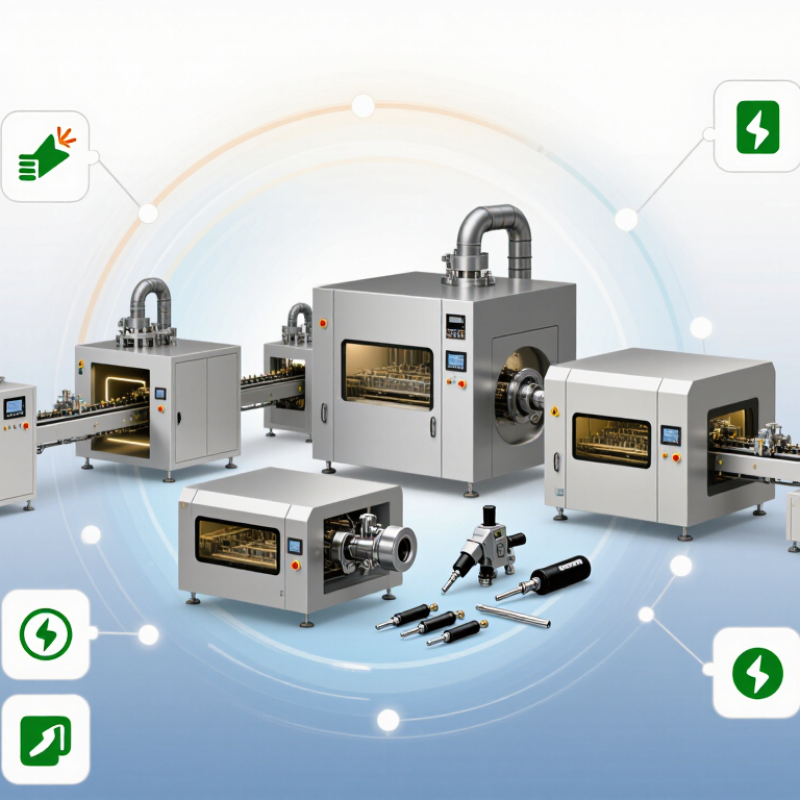
China Top Finishing Equipment Suppliers for Global Buyers

What Finishing Equipment Includes and Why China Is a Major Supplier

Finishing equipment covers the final stages that improve a product’s surface, protection, and appearance. Common systems include cleaning units, spray booths, powder coating lines, curing ovens, polishing machines, conveyors, and inspection tools. Some factories also use wastewater treatment and air filtration equipment. These systems work together, but each one needs careful matching.

China has become a major supplier because its manufacturers offer broad production capacity and flexible engineering. A buyer can source a compact spray booth or a complete automated line from the same market. Metalworking clusters also support faster access to fabricated frames, control cabinets, pumps, and replacement parts. This can reduce lead times and make customization more practical. In real projects, equipment size, voltage, coating material, and factory layout must be checked before any quotation is accepted.

Details matter. A curing oven should maintain stable temperature across the chamber, not only near the heating elements. A conveyor needs suitable load capacity and speed control. Filters require a clear replacement schedule. Some attractive proposals still hide installation costs, testing gaps, or unclear safety documents. That deserves attention. Buyers should request drawings, operating data, material specifications, and factory acceptance procedures. Third-party inspections can verify weld quality, electrical protection, airflow, and actual output. Chinese suppliers can be reliable partners, but reliability depends on documented requirements, communication, and disciplined quality checks.

China Top Finishing Equipment Suppliers for Global Buyers

What Finishing Equipment Includes and Why China Is a Major Supplier

Finishing equipment commonly includes coating and laminating machines, dryers and curing units, calenders, embossing machines, and inspection or winding systems. The chart shows a typical process sequence used in textile and flexible-material finishing lines; actual layouts vary by product and production method. China is a major supplier because it combines broad manufacturing capacity, integrated component supply chains, customization capabilities, and competitive production costs.

Key Types of Finishing Equipment Available from Chinese Manufacturers

Chinese manufacturers supply a broad range of finishing equipment for global buyers. Vibratory finishing machines remove burrs from die-cast parts, stamped components, and machined edges. Rotary tumblers suit larger batches requiring gentle cleaning and surface smoothing. Centrifugal disc machines provide faster action for small precision parts. They are useful when consistent cycle times matter.

Different surfaces need different finishing methods. Belt grinding machines level weld marks and sharpen uneven edges. Abrasive blasting cabinets clean rust, scale, and old coatings from metal surfaces. Automated blasting lines support higher production volumes, while enclosed systems help control dust and abrasive media. Polishing machines can produce satin, bright, or mirror-like finishes, depending on the wheel, compound, and pressure. Wet finishing systems are also available for parts requiring lower dust exposure.

Practical selection should begin with the material, part size, batch volume, and target roughness. Ask for sample testing before placing a large order. A catalog number is not enough. Check motor ratings, chamber materials, noise levels, spare parts, and control-system compatibility. Factory inspections and video tests can reveal details that brochures omit. I have found that simple machines often perform more reliably than highly automated ones, but this is not universal. Poorly matched media can damage edges, waste time, and increase operating costs. Clear technical drawings and inspection records make communication more dependable.

China Top Finishing Equipment Suppliers for Global Buyers - Key Types of Finishing Equipment Available from Chinese Manufacturers
Equipment Type Primary Finishing Function Typical Workpiece Size or Capacity Common Media or Abrasive Typical Materials Typical Applications Key Buyer Considerations
Vibratory Finishing Machine Deburring, edge radiusing, cleaning, burnishing and light polishing Small to medium batches; bowl or tub capacities commonly range from approximately 20 to 1,000 L Ceramic, plastic or steel media; water and compound may be used for wet processing Aluminum, zinc, brass, copper, steel and stainless steel Automotive components, die-cast parts, hardware, fasteners and precision metal parts Machine volume, lining material, separation method, noise control and process-cycle repeatability
Centrifugal Disc Finishing Machine Rapid deburring, radiusing and polishing of small precision parts Small workpieces; commonly used with working capacities of approximately 3 to 100 L Ceramic or plastic media, abrasive compounds and process water Steel, stainless steel, aluminum, titanium and non-ferrous alloys CNC-machined parts, precision fittings, medical components and small hardware High acceleration can shorten cycle times but may damage delicate parts; check speed control and separation options
Centrifugal Barrel Finishing Machine High-energy deburring, polishing and surface refinement Small and complex parts; barrel capacities commonly range from approximately 1 to 50 L per barrel Abrasive ceramic, plastic or steel media with wet or dry compounds Hardened steel, stainless steel, brass, aluminum and engineered alloys Gears, pins, medical instruments, precision castings and small machined parts Evaluate part-to-part contact, barrel lining, loading ratio, cycle control and part separation
Rotary Barrel Tumbler Bulk deburring, edge smoothing, descaling and burnishing Medium to large batches; barrel volumes commonly range from approximately 50 to 2,000 L Ceramic or plastic media, steel shot, abrasive chips and dry polishing compounds Steel, cast iron, stainless steel, aluminum and brass Forged parts, castings, hardware, agricultural components and general metalwork Suitable for high-volume processing; confirm loading, rotation speed, lining durability and unloading method
Shot Blasting Machine Scale removal, rust removal, surface preparation and shot peening Batch, continuous or table-based systems for castings, plates and fabricated parts Steel shot, steel grit, stainless shot or other specified metallic abrasives Carbon steel, cast iron, stainless steel and selected non-ferrous metals Foundry castings, welded structures, springs, gears and surface-preparation lines Check blast-wheel configuration, dust collection, abrasive recovery, enclosure design and operator protection
Abrasive Sandblasting Cabinet Localized cleaning, frosting, paint removal and surface texturing Manual or semi-automatic processing of small to medium parts Aluminum oxide, glass bead, silicon carbide or other compatible abrasives Stainless steel, aluminum, glass, ceramics and engineering plastics Tooling, molds, decorative components, repair work and laboratory parts Confirm cabinet dimensions, nozzle size, working pressure, visibility, dust filtration and abrasive recycling
Belt Grinding and Deburring Machine Removal of burrs, sharp edges, weld spatter and surface irregularities Flat, sheet, laser-cut and fabricated parts; suitable for continuous production Abrasive belts, brushes, flap wheels and contact rollers Carbon steel, stainless steel, aluminum and coated sheet metal Sheet-metal fabrication, HVAC parts, enclosures, panels and laser-cut components Review working width, minimum part size, abrasive stages, dust extraction and automatic thickness compensation
Brushing and Satin Finishing Machine Directional grain creation, light deburring and cosmetic finishing Flat sheet, panels, tubes and selected formed components Abrasive nylon brushes, wire brushes, non-woven wheels and abrasive belts Stainless steel, aluminum, brass and coated metals Architectural panels, kitchen equipment, consumer products and decorative metalwork Specify grain direction, surface roughness target, brush pressure, conveyor speed and dust-control requirements
Polishing and Buffing Machine High-gloss polishing, scratch reduction and final cosmetic finishing Manual, semi-automatic or automatic systems for small and medium components Abrasive belts, sisal wheels, cotton wheels, felt wheels and polishing compounds Stainless steel, aluminum, brass, copper and selected plastics Plumbing fittings, cookware, decorative hardware, automotive trim and consumer goods Confirm spindle power, wheel diameter, speed control, dust extraction, fixture design and required surface gloss
Wet Parts Washing and Drying System Removal of oil, chips, polishing residue and process contaminants Basket, conveyor or rotary systems for batch and continuous production Alkaline or neutral cleaning solutions, spray jets, filtered water and hot-air drying Steel, stainless steel, aluminum, brass and plastic components CNC-machined parts, automotive components, bearings and assembly-ready products Evaluate cleaning temperature, spray pressure, filtration, wastewater handling, drying performance and chemical compatibility
Electrochemical Finishing System Electropolishing, controlled metal removal and surface brightening Small to medium conductive components processed in tanks or dedicated fixtures Electrolyte solution, controlled direct current and compatible cathodes Stainless steel, nickel alloys, copper and other electrically conductive metals Medical components, hygienic equipment, laboratory parts and precision metal products Assess current density, bath chemistry, ventilation, wastewater treatment, fixture design and process compliance

Note: Capacity ranges and process characteristics are representative industry ranges. Final equipment selection should be confirmed through sample testing using the buyer’s actual workpieces, required surface finish and production volume.

How to Evaluate China’s Leading Finishing Equipment Suppliers

How to Evaluate China’s Leading Finishing Equipment Suppliers

Evaluating China’s finishing equipment suppliers requires more than comparing quoted prices. Check their production experience, engineering staff, and documented quality procedures. A reliable supplier should explain coating thickness, operating speed, power requirements, and maintenance intervals in clear language. Ask for recent factory photos, test records, and customer references from similar industries. A polished showroom helps, but it proves little.

Request a sample test using your actual material and surface requirements. Observe finish consistency, machine noise, control response, and cleaning time. Review component specifications and electrical documentation before signing any agreement. Confirm installation support, spare-part availability, warranty terms, and response times. Independent inspections can reduce risk, especially when equipment is customized. No checklist is perfect. My own assessment would still leave room for uncertainty when test conditions differ from daily production.

Tips: Compare at least three suppliers using the same technical brief. Ask each supplier to identify possible production limits, not only strengths. Check whether stated certifications match the equipment and destination market. Review packing details, shipping marks, and commissioning procedures in writing. A small pilot order may reveal communication problems early. Do not ignore vague answers. They often become expensive delays later.

Quality Standards, Customization, and Production Capabilities

For global buyers, finishing equipment should be judged by evidence, not polished catalog language. Reliable suppliers document quality standards, including coating thickness, temperature stability, surface uniformity, and electrical safety. Ask for inspection records, calibration dates, and material certificates before approving a purchase. In practical factory audits, these details reveal whether a supplier controls production or simply assembles machines. A test panel should show even coverage, clean edges, and repeatable results. Small variations matter.

Customization is useful when it solves a measured production problem. Suppliers may adjust chamber size, conveyor speed, nozzle layout, curing temperature, or control interfaces. However, every change should have a written tolerance and acceptance test. A capable engineering team explains technical limits clearly. It should provide drawings, trial samples, load calculations, and a realistic delivery schedule. Production capability also includes machining, wiring, software integration, final testing, and spare parts. Some suppliers promise everything. That deserves caution. Ask to inspect a similar completed system, even if the request feels inconvenient.

Tips: Compare at least three technical proposals using the same checklist. Confirm throughput with your actual product dimensions, coating type, and shift pattern. Request a factory video or live test, but do not treat either as complete proof. Independent inspection can reduce risk. Leave room for review; initial specifications are often incomplete.

Export, Installation, and After-Sales Support for Global Buyers

Global buyers need more than a finishing machine. They need dependable export, installation, and after-sales support. An experienced supplier should confirm voltage, production capacity, workshop layout, and local safety requirements before shipment. Clear technical drawings reduce costly misunderstandings. Export documents should match the equipment, packing list, and destination rules. Strong wooden crates, moisture protection, and visible lifting marks help prevent damage during long-distance transport.

Installation support should be practical and measurable. Remote guidance can cover assembly, wiring checks, calibration, and trial production. For complex lines, trained engineers may provide on-site commissioning. Operators need clear manuals and hands-on training, not only translated files. Small details matter, such as checking air pressure, belt alignment, and surface temperature. A signed acceptance record can confirm performance against agreed specifications.

After-sales service should include spare-parts advice, troubleshooting, and a defined response process. Remote video diagnosis often solves simple issues quickly. Local technicians may still be necessary for electrical or mechanical faults. Warranty terms must explain coverage, exclusions, and repair responsibilities. Not every project runs perfectly. A delayed shipment, unclear utility data, or unsuitable workshop layout can create problems. Reliable suppliers should document these lessons and improve their process. Buyers should also request reference projects, maintenance schedules, and realistic delivery commitments before placing an order.