China Top 10 Finishing Equipment Suppliers for Global Buyers
Choosing the right finishing equipment supplier in China can shape production quality, delivery stability, and long-term operating costs. This guide introduces ten manufacturers serving global buyers across metal, woodworking, furniture, automotive, and surface-treatment applications. Their equipment may include polishing machines, grinding systems, coating lines, deburring units, and automated finishing cells.
A reliable comparison requires more than a polished website. Buyers should examine factory experience, technical documentation, export records, component quality, and after-sales support. Machine samples deserve attention. Look closely at surface consistency, cycle time, noise, dust control, and operator safety. Ask whether the supplier can provide installation guidance, spare parts, training, and clear warranty terms. These details often matter more than the initial quotation.
Real purchasing decisions are rarely perfect. A low price may hide weaker motors, limited customization, or delayed technical responses. Even established suppliers can struggle with complex materials or unusual production volumes. This article therefore considers both strengths and practical limitations. It also encourages buyers to verify certifications, inspect production facilities when possible, and test finishing equipment with their own materials. Careful evaluation reduces risk, but it cannot remove every uncertainty. Use this list as a research starting point, not as a final purchasing decision.
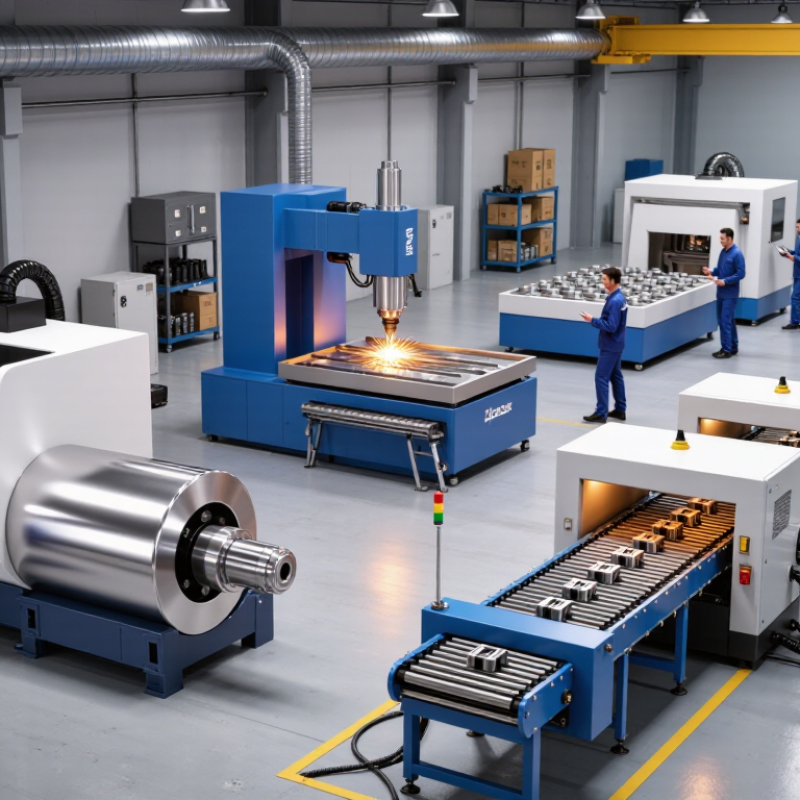
What Finishing Equipment Suppliers Provide and Why They Matter
Finishing equipment suppliers provide more than machines for polishing, coating, deburring, cleaning, or surface treatment. They help buyers match equipment with materials, production volume, and required surface quality. A reliable supplier should explain throughput, energy use, maintenance needs, and operator training in clear terms.
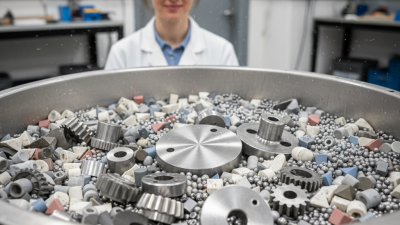
Factory evaluations often reveal details that brochures miss. Ask for sample processing using your actual parts. Check edge quality, dust control, noise levels, and cycle consistency. Request inspection records and practical test data. Suppliers with experienced engineers can suggest fixture designs, process adjustments, and safer operating procedures. They should also provide spare-parts guidance and responsive technical support after installation.
Small details matter.
A strong supplier supports installation, calibration, troubleshooting, and staff training. They should communicate realistic delivery times and identify limitations before signing an order. No supplier gets every detail right. Buyers should question vague performance claims and compare total ownership costs, not only the purchase price. In some cases, a lower-cost machine may require more manual finishing or frequent adjustments. That hidden workload can weaken productivity. Clear documentation, transparent communication, and consistent quality checks make supplier relationships more dependable. Still, buyers must verify claims independently, because trust should grow from evidence rather than polished promises.
How China’s Top 10 Suppliers Are Selected and Compared
China Top 10 Finishing Equipment Suppliers for Global Buyers
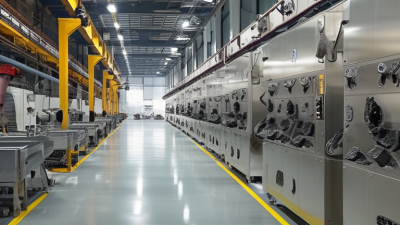
Selecting China’s top ten suppliers requires more than comparing catalog prices. A reliable review examines manufacturing experience, engineering depth, export history, and after-sales support. Factory audits can reveal details that websites rarely show, such as orderly assembly areas, spare-parts storage, and real testing procedures. Supplier comparisons should also include finishing accuracy, production speed, energy use, safety features, and compatibility with existing lines.
Evidence matters most. Reviewers should request test reports, installation records, customer references, and clear warranty terms. Machines should be evaluated with similar materials and operating conditions. A low purchase price may hide higher maintenance costs or longer commissioning time. Communication also deserves a score. Fast replies are useful, but precise drawings and stable technical support matter more. Some suppliers perform well technically yet provide weak documentation. That should reduce their ranking.
Tips: Use a weighted scorecard before contacting suppliers. Give quality and support more weight than price. Ask for a sample test using your actual product. Visit the facility when possible. Keep every promise in writing.
No ranking is perfect. Factory capacity can change, and one excellent project does not prove consistent performance. Buyers should review the list regularly, question unclear claims, and allow room for practical judgment. Sometimes the most suitable supplier is not the highest-scoring one, but the team that explains limitations honestly and responds effectively during testing.
This benchmark model compares the key dimensions commonly used to evaluate Chinese finishing equipment suppliers for global buyers. The 100-point weighting emphasizes technical capability, quality assurance, export readiness, customization, after-sales support, and delivery performance. It is a supplier-selection framework rather than company-specific performance data.
Profiles of the Top 10 Chinese Finishing Equipment Suppliers
China’s top finishing equipment suppliers differ in focus, scale, and export experience. Supplier One specializes in automated coating lines, with precise tension control and stainless-steel contact parts. Supplier Two builds laminating systems for flexible materials, offering adjustable rollers and temperature monitoring. Its service response should be checked before ordering.
Supplier Three
focuses on slitting and rewinding equipment. Buyers often value its clean edge control and programmable shaft settings.
Supplier Four
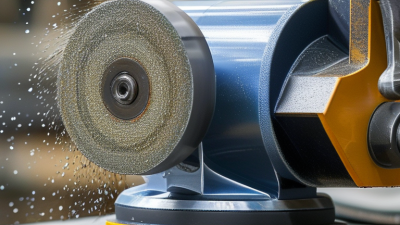
supplies polishing and surface-treatment machines for metal components. Its engineering team can modify working widths, but customization may extend delivery times.
Supplier Five
produces curing ovens with airflow circulation and digital temperature records. Factory testing is essential.
Supplier Six
develops inspection systems using cameras, sensors, and production data. The software interface may require training for overseas operators.
Supplier Seven
provides compact finishing units for small and medium factories. These machines usually simplify installation and reduce floor-space demands.
Supplier Eight concentrates on high-speed finishing lines for larger plants. It offers stronger automation, though maintenance costs can rise.
Supplier Nine makes integrated packaging and end-of-line systems, including conveyors and checking units. Buyers should confirm compatibility with existing equipment.
Supplier Ten supports special finishing applications and accepts detailed process specifications. Its flexibility is useful, but technical documents must be reviewed carefully.
In my experience, sample trials reveal weaknesses that brochures hide. Independent audits, spare-parts lists, electrical standards, and operator training deserve equal attention. Some suppliers appear reliable during demonstrations, yet after-sales communication can still be inconsistent.
Key Equipment Types, Industries, and Applications
China Top 10 Finishing Equipment Suppliers for Global Buyers
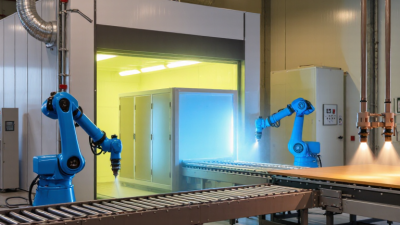
China’s finishing equipment suppliers serve automotive, appliance, construction, furniture, electronics, and general metalworking industries. Their product ranges often include pretreatment lines, shot blasting machines, spray booths, powder coating systems, liquid painting equipment, curing ovens, and conveyor solutions. Each type solves a different surface problem. Pretreatment removes oil and scale before coating. Powder systems create durable finishes on frames, panels, racks, and machine parts. Liquid spray systems remain useful for complex shapes and color changes.
In practical factory evaluations, layout matters as much as equipment capacity. A conveyor moving steel cabinets through washing, drying, spraying, and curing needs stable speed control. Curing ovens require even heat distribution, not only a high temperature display. Operators should inspect coating thickness, adhesion, surface cleanliness, and energy use during acceptance testing.
For electronics, dust control and low-temperature curing can protect sensitive components. For construction products, corrosion resistance and outdoor durability deserve closer attention.
Supplier credibility depends on documented testing, technical drawings, spare-parts support, and installation experience. Buyers should request sample panels using their own materials. This exposes weak pretreatment or uneven spray coverage early. Some specifications look impressive but perform poorly in a busy workshop. I have found that maintenance access is often underestimated. Filters, pumps, burners, and sensors must be reachable without stopping the whole line. No system is perfect. A careful buyer should allow space for future upgrades, operator training, and occasional process mistakes.
How Global Buyers Can Evaluate Suppliers and Purchase Safely
Global buyers comparing China’s top ten finishing equipment suppliers should begin with application fit, not ranking.
Define the substrate, daily throughput, coating thickness, drying temperature, and required line speed. Request technical drawings, utility requirements, production videos, and recent test results. Ask for samples processed with your actual materials. A polished presentation proves little without measurable output.
Verify the supplier’s registered company details, manufacturing address, export experience, and quality-control process.
Review certificates carefully and confirm their scope with the issuing organization. A factory visit can reveal assembly standards, spare-parts storage, and testing equipment. Speak with technical staff, not only sales representatives. Ask how they handle defects, installation delays, and software updates. Details matter.
Use a contract with exact specifications, acceptance criteria, delivery terms, warranty coverage, and documented remedies.
Divide payments around verifiable milestones rather than promises. An independent pre-shipment inspection can check dimensions, electrical safety, labeling, and included components. Confirm packaging, insurance, customs documents, and remote support before shipment. Keep every change in writing. A rushed purchase often creates expensive confusion. Even careful evaluations have blind spots, especially when translated specifications sound clearer than they are. Have an engineer review the final documents and test the equipment under realistic operating conditions.