How to Choose the Right Centrifugal Disc Finishing Machine for Your Needs?
Choosing the right centrifugal disc finishing machine is essential for achieving optimal results in surface finishing processes. These machines are widely used in industries such as metalworking, automotive, and jewelry. Selecting the ideal model requires careful consideration of several factors. You must assess your specific needs, such as part size and material type.
Different machines offer varying features, speeds, and capacities. Some may suit small batch processing, while others are better for larger industrial volumes. Each design can impact finish quality, so it is crucial to match the machine to your task. Engaging with experts can provide insights into the right choice. However, beware of overestimating your requirements. A machine that's too complex can lead to inefficiencies, while a basic model might not meet your standards. Reflecting on your past experiences can guide you, helping you avoid previous mistakes.
In the end, it's not just about choosing a machine; it's about integrating it into your workflow. When made thoughtfully, selecting a centrifugal disc finishing machine can enhance productivity and improve quality. Considerations must align with your operational needs and future goals.
Understanding the Basics of Centrifugal Disc Finishing Machines
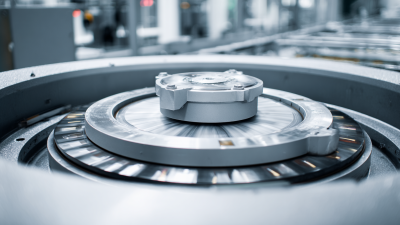
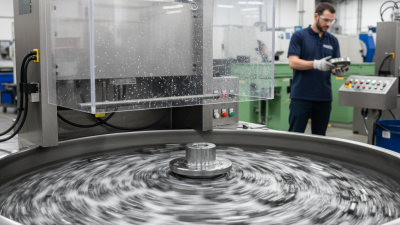
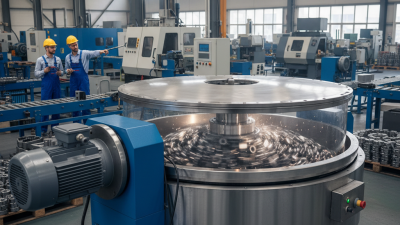
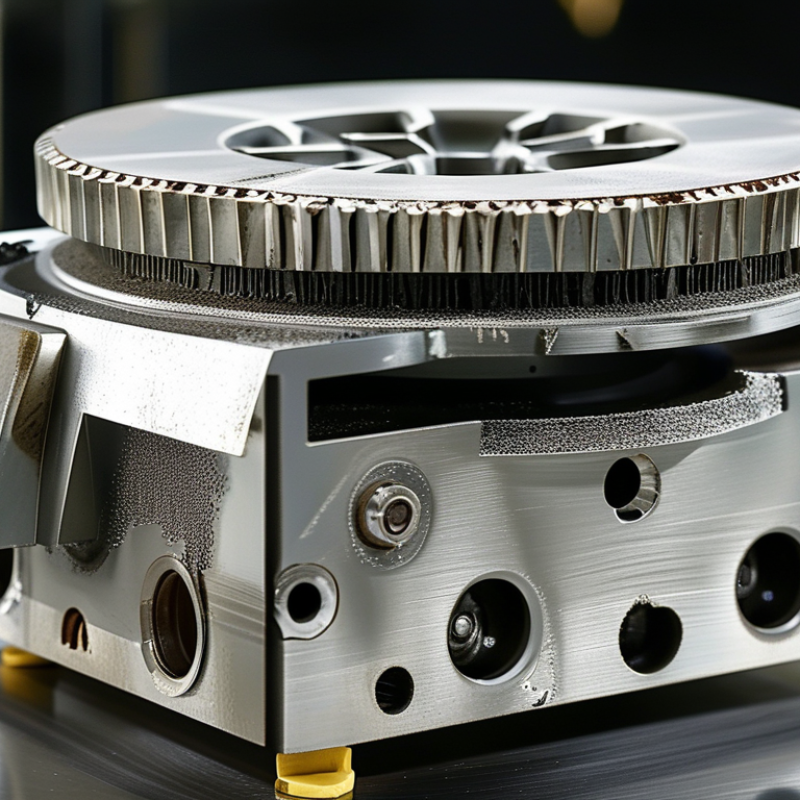
Centrifugal disc finishing machines play a vital role in surface finishing processes. They utilize high-speed rotation to polish and deburr various materials. Understanding their operation is crucial for making an informed decision. These machines work by creating a centrifugal force that rapidly moves media against parts.
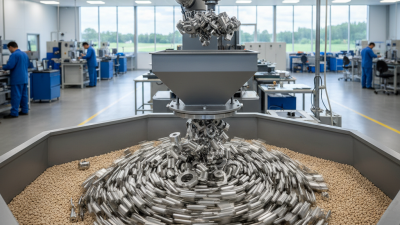
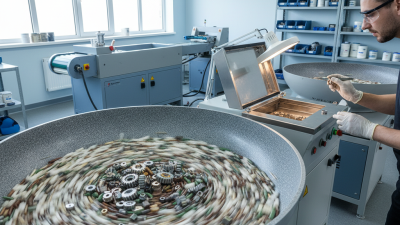
Before selecting a machine, consider the type of materials it will process. Different materials may require unique media types. Choosing the right media is essential for achieving the desired surface finish. For example, harder materials often need more aggressive media.
Tip: Test different media on sample parts. This approach helps identify the best match for your needs.
Another consideration is machine capacity. Ensure you choose a size that fits your production volume. A machine that is too small may underperform, while an oversized one might waste resources. Reflect on your current and future production demands.
Tip: Keep an eye on the machine’s energy consumption. A more efficient model may save costs in the long run.
Ultimately, your choice should balance performance, efficiency, and reliability. Each factor plays a crucial role in the effectiveness of the finishing process. Choose wisely and take the time to explore all options.
Identifying Your Specific Finishing Requirements and Goals
When considering a centrifugal disc finishing machine, it’s essential to identify your specific finishing requirements and goals. Assessing the type of materials you work with is crucial. For instance, metals and plastics react differently to finishing processes. Understanding your materials will guide your choice, ensuring optimal results.
Your desired finish quality can dictate the machine's specifications. Do you need a high-gloss finish or a more matte appearance? Also, consider the size and shape of your parts. Larger items may require more robust systems. Evaluate the complexity of your projects, as intricately shaped items need specific tooling aspects.
While it’s tempting to choose the most advanced machine, reflect on your real needs. Overestimating your requirements can lead to excessive costs and inefficiencies. It’s wise to match the machine's capabilities with your production goals. Different industries have unique demands, and taking time to analyze your finishing requirements will lead to more informed decisions.
How to Choose the Right Centrifugal Disc Finishing Machine for Your Needs? - Identifying Your Specific Finishing Requirements and Goals
| Finishing Requirement |
Material Type |
Expected Surface Finish |
Cycle Time |
Machine Capacity |
| Deburring |
Aluminum |
Ra 0.8 μm |
15 minutes |
100 kg/hr |
| Polishing |
Stainless Steel |
Ra 0.4 μm |
20 minutes |
50 kg/hr |
| Surface Preparation |
Plastic |
Ra 1.6 μm |
10 minutes |
200 kg/hr |
| Cleaning |
Brass |
Ra 0.6 μm |
12 minutes |
80 kg/hr |
| Finishing |
Titanium |
Ra 0.5 μm |
25 minutes |
40 kg/hr |
Evaluating the Key Features of Centrifugal Disc Finishing Machines
When selecting a centrifugal disc finishing machine, understanding its key features is vital. These machines can vary widely in terms of size, capacity, and design. Assessing your specific needs will guide you in choosing the appropriate model. Consider the materials you work with. Harder materials require machines with more robust capabilities to achieve effective results.
Another important aspect is the finishing intensity. Machines can offer different speed settings. Higher speeds often lead to quicker results, but they may not be suitable for all materials. Experimenting with lower speeds can yield better finishes for delicate items. Pay close attention to the tooling options. Some machines provide interchangeable tools, which can enhance versatility.
It's easy to overlook the maintenance aspect. Regular upkeep can extend machine life, but it requires time and technical know-how. Evaluating the ease of maintenance is necessary. Look at the available support resources, as they can provide guidance when problems arise. This reflection on your operational needs can save you from potential setbacks later.
Comparing Different Brands and Models for Best Performance
Choosing the right centrifugal disc finishing machine can be crucial for your project. Various brands and models offer unique features. Evaluating their performance helps you make an informed decision. Some machines focus on speed while others emphasize precision. It’s essential to recognize the specific needs of your finishing process.
One effective approach is to analyze user reviews across different platforms. By doing so, you gain insights into real-world performance. You may notice that some machines excel in durability while others struggle with consistency. Paying attention to such details can guide your selection. Comparative analysis reveals significant differences in efficiency and maintenance requirements.
Testing machines before purchasing is highly recommended. Observing how they operate in a controlled environment might highlight unforeseen challenges. You may find that what seems ideal on paper does not perform well in practice. Additionally, consulting with industry professionals can provide valuable perspectives. Always consider the long-term benefits over short-term gains when investing in a machine.
Budget Considerations and Cost-Effectiveness in Machine Selection
Budget is a crucial factor when choosing a centrifugal disc finishing machine. Investing wisely can enhance manufacturing efficiency. According to a recent industry report, 40% of businesses do not achieve optimal performance due to inadequate machine selection. Evaluating your budget requires a detailed analysis of upfront costs and long-term savings. A well-chosen machine can boost productivity, ultimately leading to lower operational expenses.
Consideration of costs goes beyond the initial purchase price. Maintenance expenses play a significant role in total expenditure. Studies indicate that machines with a reputation for durability often incur lower maintenance costs over time. Many buyers overlook this when making decisions. Sometimes, the cheaper options result in higher costs down the line.
Cost-effectiveness also involves evaluating potential output. If a machine can process twice as many parts in the same timeframe, the investment may justify its price. Industry benchmarks suggest that effective machines can return 150% of their cost in productivity gains. Failing to prioritize the right features can lead to regrettable choices. Buyers should consult industry standards and seek peer reviews to avoid pitfalls.