Top Centrifugal Disc Finishing Machines for Global Buyers?
Centrifugal disc finishing machines play a crucial role in the metalworking and manufacturing sectors. According to a report by Grand View Research, the global market for these machines is expected to grow significantly, driven by increasing demand for efficient surface finishing processes. Industry expert Dr. James Carter notes, “Centrifugal disc finishing machines enhance productivity and reduce operational costs, making them essential for modern manufacturing.”
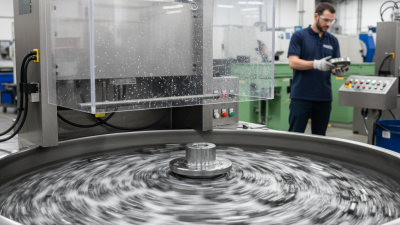
These machines utilize high centrifugal force to accelerate the finishing process. They are designed to handle various materials, ensuring optimal surface quality and removing imperfections. This efficiency often leads to reduced labor costs and faster turnaround times. However, some manufacturers still struggle to choose the right models for their specific needs. It’s critical to evaluate factors such as machine size, capacity, and the types of finishing materials used.
Investing in the right centrifugal disc finishing machine can yield substantial benefits. Yet, many companies overlook important variables, resulting in less than optimal machinery selection. Awareness of these pitfalls is key. In a rapidly evolving industry, understanding the nuances of centrifugal disc finishing is vital for staying competitive and meeting customer demands.
Overview of Centrifugal Disc Finishing Technology
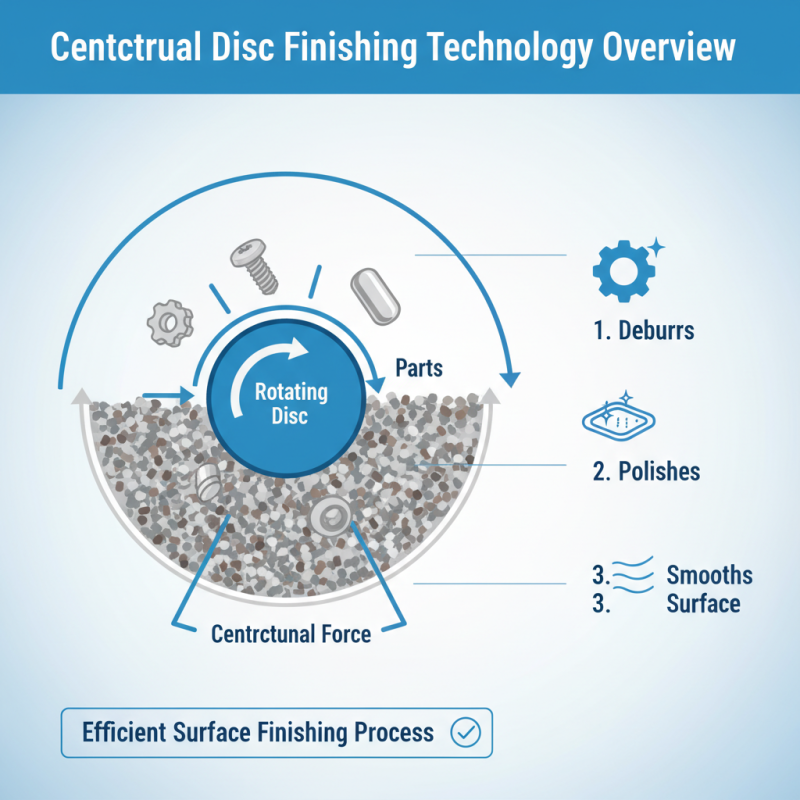
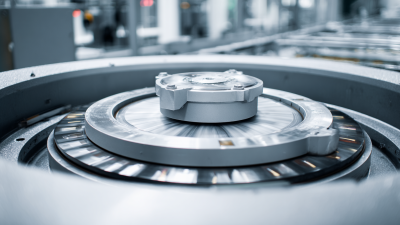
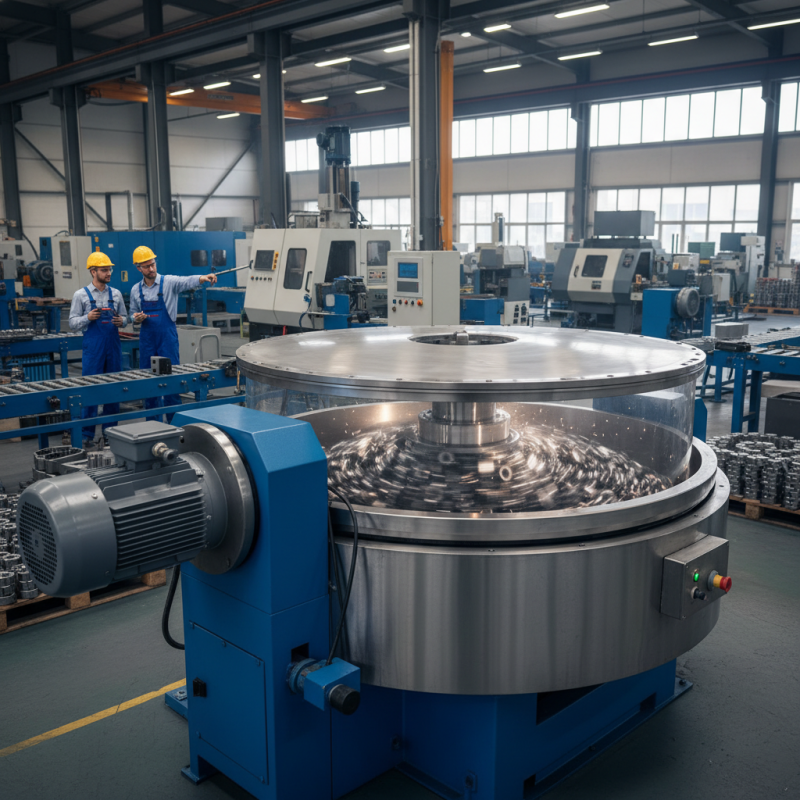
Centrifugal disc finishing technology has gained attention for its efficiency in surface finishing processes. This method involves a rotating disc that generates centrifugal force. Parts are placed in a chamber along with abrasive media. As the disc spins, the friction between the parts and media effectively deburrs, polishes, and smooths the surface.
The speed and design of the disc are critical. A well-optimized machine can significantly reduce finishing time and improve surface quality. However, achieving the perfect balance requires experiments. Material types, sizes, and shapes all influence the process outcomes. Users need to adapt the settings according to their specific requirements.
**Tips:** Always start with small batches to test your process settings. Adjust media types and sizes to find the best match for your parts. Regularly check the machinery for wear to maintain performance. Remember, while technology is advanced, human experience remains invaluable in achieving optimal results. Mistakes may happen, but learning from them leads to better practices. Embrace continuous improvement for better quality outcomes.
Key Features to Consider When Selecting a Finishing Machine
When choosing a centrifugal disc finishing machine, key features should guide buyers. Machine capacity is crucial. It decides how much work can be done in a single batch. Larger machines can handle more parts, but they consume more space and energy. Evaluate your production needs carefully. A smaller machine may be all you require for less frequent tasks.
Another essential consideration is the speed settings. Adjustable speeds allow for flexibility in processing various materials. Softer materials may need slower speeds, while harder ones require more intensity. Pay attention to noise levels as well. Some machines can be quite loud, which may affect the working environment.
Finally, think about maintenance requirements. Regular upkeep is vital to keep machines running effectively. Access to replacement parts can also influence your decision. Machines that are costly to maintain or repair can impact overall productivity. Balancing these features with your budget is essential for making a sound investment.
Top Centrifugal Disc Finishing Machines for Global Buyers
| Model |
Capacity (Liters) |
Power (kW) |
Weight (kg) |
Key Features |
| Model A |
200 |
5.5 |
300 |
Variable speed control, low noise operation |
| Model B |
150 |
4.0 |
250 |
Compact design, easy maintenance |
| Model C |
300 |
7.5 |
400 |
High efficiency, energy-saving features |
| Model D |
250 |
6.0 |
350 |
User-friendly interface, programmable settings |
| Model E |
100 |
2.5 |
150 |
Portable, low energy consumption |
Top Brands and Models in the Market
Centrifugal disc finishing machines are vital in various industries. They enhance surface finishing, deburring, and polishing. Buyers globally seek reliable options. Various models cater to differing needs.
Recent reports indicate that the demand for these machines has surged. The market is projected to grow significantly by 2025, fueled by advances in technology. Efficient processing times and improved accuracy are key factors driving buyer interest. Many users report reduced operational costs through these machines, but some still face challenges with maintenance.
Each model offers unique features. Some excel in high-capacity tasks; others specialize in intricate work. Buyers often grapple with the selection process. While comprehensive data exists, manufacturers sometimes do not share complete details about their products. This results in gaps in knowledge for buyers. Understanding the nuances of each model remains essential. Continuous learning is crucial to optimize machine use.
Global Trends in Centrifugal Disc Finishing Machines
Centrifugal disc finishing machines have seen rapid advancements in recent years. These machines are vital for achieving consistent surface finishes on various materials. As manufacturers seek efficiency, many have turned to these innovative solutions. They are becoming essential in sectors like automotive, aerospace, and jewelry.
Global trends indicate a rising demand for eco-friendly finishing processes. Companies are looking for ways to reduce energy consumption and waste. Emphasizing sustainability is vital for maintaining competitiveness. While traditional methods can offer results, they often come with significant environmental costs. The shift towards greener technologies influences machine designs and operational practices.
However, challenges remain. Not all manufacturers are prepared to embrace these changes. Some still rely on outdated techniques, leading to inconsistencies. Education and training are crucial. Operators must adapt to new technologies for effective use. Investing in skill development can bridge gaps and ensure seamless transitions into modern practices.
Buying Guide for International Customers
When selecting centrifugal disc finishing machines, various factors require consideration. Buyers must evaluate machine capacity, processing speed, and the type of materials being used. According to a recent industry report by Grand View Research, the global market for surface finishing equipment is expected to reach USD 5.3 billion by 2025. This growth indicates a rising demand for efficient finishing solutions, reinforcing the importance of making informed choices.
Understanding the processes is crucial for users, especially for international customers. The machines are often rated by the volume of parts processed per hour. A basic model might process 100-300 kg/h. Operators should also consider the finishing media, as different materials yield varied outcomes. This variability can affect product quality, leading to potential rework and added costs. Neglecting these details could result in significant production inefficiencies.
Additionally, international buyers should be aware of after-sales service and support. Reliable manufacturers typically offer access to service technicians and parts sourcing. However, not all suppliers meet these standards. Poor support can lead to extended downtime, affecting company productivity. Hence, scrutiny of customer reviews and warranty terms can guide buyers towards more reliable options. Making these assessments ensures a better return on investment.
Top Centrifugal Disc Finishing Machines
This chart displays the average processing time (in hours) for different types of materials using centrifugal disc finishing machines. The data represents common materials and their corresponding average processing times to give international buyers an overview of efficiency.