2026 Top Centrifugal Disc Finishing Machine Guide for Buyers
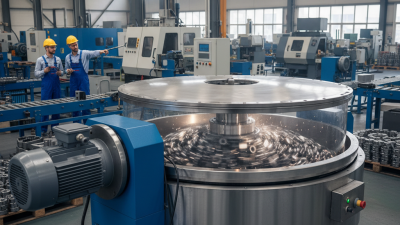
In the world of metal finishing, the "centrifugal disc finishing machine" stands out for its efficiency and effectiveness. Expert John Smith, a leading figure in the surface finishing industry, states, "Centrifugal disc finishing machines can revolutionize your production line." His words highlight the value these machines bring to manufacturers.
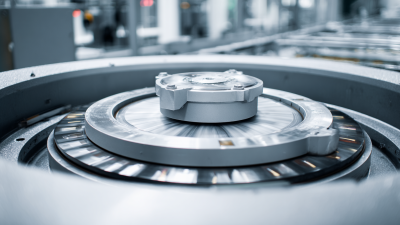
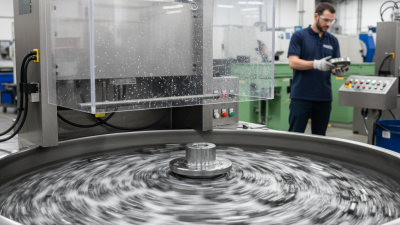
These machines work by using centrifugal force to enhance the finishing process. Unlike traditional methods, they provide faster results and superior surface quality. Businesses looking to improve their operations should consider these powerful machines. However, potential buyers must recognize that not all machines are created equal.
Investing in a centrifugal disc finishing machine requires careful consideration. Factors such as machine size, speed, and finishing media can impact performance. Failing to assess these elements can lead to inefficiencies and unmet production goals. It's essential to choose wisely and seek expert guidance in this complex industry to make an informed decision.
Understanding Centrifugal Disc Finishing Machines
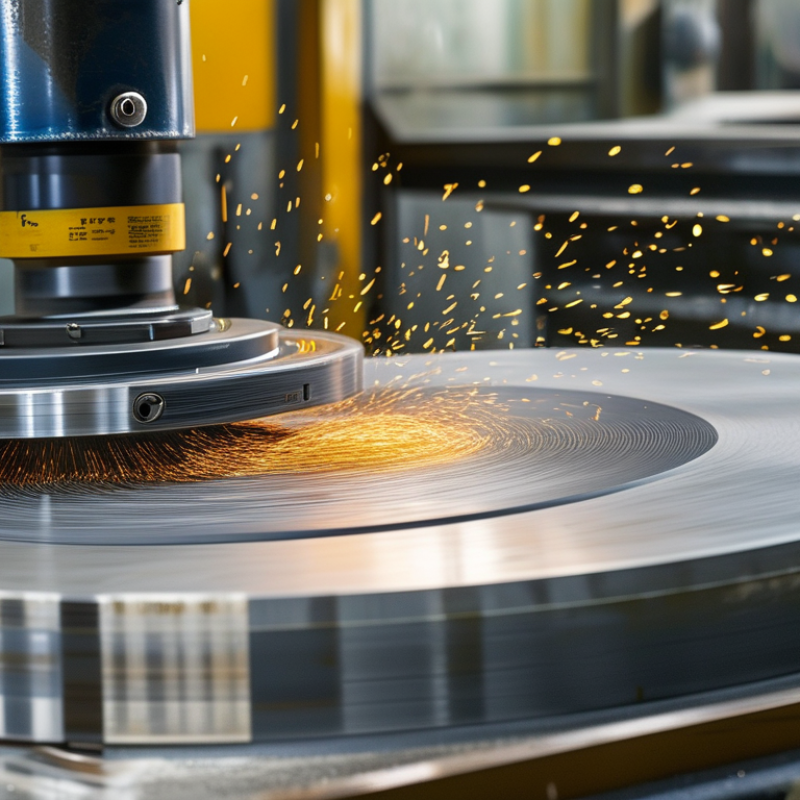
Centrifugal disc finishing machines are widely used in various industries. They excel at improving product surface quality. This technology is effective for polishing, deburring, and surface smoothing. The design of these machines allows for high-speed processing. This means faster operations compared to traditional methods. However, many users may overlook important factors when selecting one.
Understanding crucial specifications is essential. The size of the workpieces and the material type determine the machine's efficiency. Additionally, the chamber volume impacts the batch size. Opting for the wrong size may result in inefficient processing. Users often face challenges in determining the optimal configurations.
Another important aspect is the media used in the process. The right media type ensures effective finishing. Yet, some users fail to realize that not all media is suitable for every application. Properly matching the media to the material is key. Evaluating the surface finish required is vital. Some finishes may require more experimentation to achieve the desired result. Adjusting parameters like time and speed also plays a significant role in performance.
Key Features to Consider When Buying a Centrifugal Disc Finisher
When purchasing a centrifugal disc finishing machine, understanding key features is vital. The right machine can greatly enhance the efficiency of your finishing process. One important consideration is the rotational speed. Machines with variable speeds can adapt to different materials and finishing requirements. According to industry reports, a speed range of 200 to 1000 RPM often delivers optimal results.
Another critical feature is the type of abrasive media used. Ceramic, plastic, and porcelain media each serve distinct purposes. For instance, ceramic media is ideal for hard metals, providing a more aggressive cut. Plastic media, on the other hand, offers a gentler touch for softer materials. An informative study by the National Finishing Association found that the choice of media can impact surface quality by as much as 30%.
Additionally, the machine's design plays a role in user-friendliness and maintenance. Some machines may require frequent cleaning or part replacements, which can lead to downtime. Operators often report frustration when their machines lack intuitive controls or clear setup guidelines. The World Machinery Market Trends Report indicated that ease of use can directly affect output efficiency by nearly 25%. Ensuring that you select a model that balances these features is essential for sustained productivity.
Comparing Different Brands of Centrifugal Disc Finishing Machines
When considering centrifugal disc finishing machines, it's essential to compare various brands. Each one offers distinct features that can impact performance and efficiency. Some brands focus on innovative technologies, while others emphasize reliability and proven designs. Researching these differences helps in making an informed choice.
Choosing the right machine isn't solely about brand reputation. Look into user reviews and testimonials. Sometimes, insights from actual users reveal certain drawbacks that manufacturers might not advertise. For example, a machine may have excellent capabilities but could lack after-sales support. Identifying these aspects ahead of time can save you future headaches.
Tips: Pay attention to the specifications and features that align with your processing needs. Simple details, like load capacity and finishing speed, can significantly impact productivity. Always request demonstrations whenever possible. This hands-on experience can reveal potential issues that are not immediately obvious. Remember, selecting the right centrifugal disc finishing machine requires careful thought and analysis to ensure it meets your specific requirements effectively.
Maintenance Tips for Longevity of Your Centrifugal Disc Finisher
Maintaining your centrifugal disc finishing machine is essential for optimal performance and longevity. Regular maintenance not only enhances efficiency but also prevents unexpected breakdowns. One common oversight is neglecting the cleaning of the disc and workpieces. Dirt and debris can accumulate, impacting the finishing quality. Aim for a weekly cleaning routine, ensuring all components are free from contaminants.
Another critical aspect is monitoring the lubrication levels. Insufficient lubrication can lead to wear and tear on moving parts. Check the lubrication system weekly. If you notice any unusual noises, it might indicate a problem. Ignoring these signs can result in costly repairs. A simple visual inspection of the machine can save time and money over the long term.
Lastly, be proactive with parts replacement. Components like the drive belts and bearings wear out over time. Waiting too long to replace them can disrupt operations. Keep a log of replacement schedules. This helps maintain a clear overview of maintenance needs. Being diligent can greatly improve the lifespan of your machine.
2026 Top Centrifugal Disc Finishing Machine Guide for Buyers - Maintenance Tips for Longevity of Your Centrifugal Disc Finisher
| Feature |
Details |
Maintenance Tip |
| Machine Type |
Centrifugal Disc Finisher |
Regularly check and replace worn parts. |
| Working Capacity |
100 - 300 liters |
Ensure optimal load within recommended capacity. |
| Material Compatibility |
Metals, Plastics, Ceramics |
Use appropriate media based on material type. |
| Speed Range |
1,000 - 3,000 RPM |
Regularly calibrate motor speed settings. |
| Power Requirement |
1.5 - 5 HP |
Ensure stable power supply to avoid interruptions. |
| Cooling System |
Water or Air Cooled |
Maintain adequate cooling to prevent overheating. |
| Wear Parts |
Discs, Liners |
Inspect and replace wear parts regularly. |
Common Applications and Benefits of Centrifugal Disc Finishing Machines
Centrifugal disc finishing machines play a vital role in various industries. They provide efficient surface finishing for metal and plastic parts. Common applications include deburring, polishing, and surface smoothing. These machines work by using centrifugal force to accelerate the polishing media, creating effective and uniform finishing results.
The benefits of using centrifugal disc finishing machines are substantial. They significantly reduce processing times compared to traditional methods. Additionally, they offer consistent results, which is crucial in fields like automotive and aerospace manufacturing. Some users have reported initial challenges with media selection and machine settings. This aspect requires careful attention to achieve the desired finish.
There’s an ongoing discussion among experts about optimizing the use of these machines. Finding the right balance between media type and part geometry can be tricky. Observation and adjustment are key. Users may need to experiment to fully understand the machine's capabilities and limitations. It’s a learning process that can lead to better productivity and quality outcomes over time.