2026 Top Textile Machinery Trends for Global Buyers?
The textile machinery industry is evolving rapidly, shaped by technological advances and changing market demands. Experts predict that by 2026, several key trends will emerge that will redefine how global buyers approach textile machinery. Dr. Emily Chen, a renowned specialist in textile engineering, emphasizes, “Innovation in textile machinery is essential for sustaining competitiveness.”
As sustainability becomes a priority, manufacturers are prioritizing eco-friendly machinery solutions. Buyers are increasingly seeking equipment that minimizes waste and energy consumption. Smart technologies, like IoT systems, are enhancing production efficiency and quality control. However, challenges remain, such as adapting to these new technologies and ensuring workforce training.
Furthermore, global supply chain shifts impact machinery procurement strategies. Buyers must remain agile while navigating these complexities. Understanding market dynamics and technological trends will be crucial for success. As we look forward, the interplay of innovation and sustainability will no doubt shape the future of textile machinery.

2026 Innovative Technologies Shaping Textile Machinery Industry
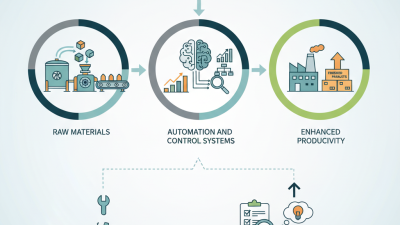
In 2026, the textile machinery industry is poised for significant transformation driven by innovative technologies. Automation plays a critical role in enhancing production efficiency. Advanced robotics streamline operations, reducing labor costs and increasing speed. Many manufacturers are integrating smart systems that monitor performance in real-time. This shift is not only about efficiency but also about precision.
Sustainability is another key focus. New technologies allow for the use of eco-friendly materials and processes. Techniques like waterless dyeing are gaining traction. These methods minimize waste, appealing to environmentally conscious consumers. Industry players are exploring digital printing, which reduces energy consumption. Yet, challenges remain in balancing cost and sustainability.
Data analytics is becoming essential for manufacturers. It helps predict maintenance needs and optimize processes. However, the reliance on data raises concerns about privacy and security. The industry must navigate these complexities thoughtfully. Innovations in textile machinery present exciting opportunities, but they also demand careful evaluation.
2026 Top Textile Machinery Trends for Global Buyers
| Trend |
Description |
Expected Impact |
Implementation Timeline |
| Automation and Robotics |
Increased use of AI and robotics for precision and efficiency in textile production. |
Higher production rates and lower labor costs. |
2024 - 2026 |
| Sustainable Materials |
Adoption of eco-friendly and biodegradable fabrics. |
Reduced environmental impact and enhanced brand image. |
2023 - Ongoing |
| Smart Textiles |
Integration of technology into fabrics to create responsive textiles. |
New market opportunities and product innovations. |
2025 - 2026 |
| Digital Printing |
Increased use of digital printers for faster turnaround and customization. |
Enhanced product variety and reduced waste. |
2024 - 2026 |
| Circular Economy Practices |
Focus on recycling and reusing textile materials. |
Sustainability enhanced and resource conservation. |
2023 - Ongoing |
Sustainability and Eco-friendly Practices in Textile Machinery
The textile machinery industry is increasingly embracing sustainability and eco-friendly practices. According to a recent industry report, around 70% of textile manufacturers are prioritizing sustainable technology in their operations. By investing in energy-efficient machines, companies aim to minimize their carbon footprint and reduce waste. Innovations in this area can significantly lower energy consumption, with some new machines using up to 50% less power than their predecessors.
Water usage remains another critical issue. The World Bank highlights that the textile industry accounts for approximately 20% of global industrial water pollution. Many manufacturers are now adopting water-recycling technologies. These systems can recycle over 90% of water used in production processes, contributing to a circular economy. Yet, the implementation of such practices is not universal. Some companies remain hesitant due to higher initial costs or lack of knowledge.
Biodiversity is also a concern. The use of harmful chemicals in textile production can lead to ecosystem damage. A study from the International Textile Manufacturers Federation suggests that over 60% of textile firms recognize the need for eco-friendly dyes and materials. However, the transition is slow. Continuous education and collaboration in the industry are essential to foster understanding and adoption of these sustainable practices. The balance between profit and responsibility remains a complex challenge.
Automation Trends in Textile Manufacturing for Enhanced Efficiency
The textile manufacturing industry is evolving with automation trends that focus on enhanced efficiency. Recent reports indicate that automation can reduce operational costs by up to 30%. Factory settings are increasingly adopting robotics and AI-driven systems. These technologies optimize production schedules and minimize downtime.
New data highlights that nearly 70% of industry leaders plan to invest in automation by 2025. Integrating smart machinery can lead to more precise fabric cutting and stitching, improving product quality. However, transitioning to automated systems does pose challenges. Many companies face resistance from workers accustomed to traditional methods. Retraining staff becomes essential to successfully implement new technologies.
When considering automation, evaluate your infrastructure. Incorporate modular systems that can adapt over time. Start with small pilot projects to test new processes. Regularly assess outcomes and gather feedback to improve operations. Emphasizing a culture of continuous improvement can lead to greater acceptance of automated solutions.
Impact of Digitalization on Textile Machinery Operations
In the evolving landscape of textile machinery, digitalization plays a crucial role. The integration of smart technologies optimizes operations significantly. According to a recent report, businesses that adopt digital solutions can improve efficiency by up to 30%. This shift not only enhances production speed but also reduces waste, providing a more sustainable approach to machinery operations.
However, the transition isn’t without challenges. Many companies face difficulties in training employees for new technologies. Data from industry analysis indicates that up to 50% of enterprises identify skills gaps as a barrier to effective digitalization. Fostering a culture of continuous learning is essential. Investing in training programs can help bridge these gaps, ensuring staff are equipped for future demands.
Increasing connectivity introduces new complexities. As more machines connect to the internet, cybersecurity becomes a paramount concern. Protecting sensitive data is vital for maintaining trust and operations. Regular updates and audits can mitigate these risks. Embracing digitalization requires a balanced approach. Companies should weigh the benefits against potential drawbacks, fostering a steady and secure transition into the digital age.
Emerging Markets and Their Influence on Global Textile Machinery Trends
Emerging markets are reshaping the landscape of the global textile machinery industry. In 2023, the global textile machinery market was valued at approximately $22 billion and is projected to reach $32 billion by 2026. This growth is significantly driven by developing regions in Asia and Africa. Countries such as India and Vietnam are expanding their textile production capabilities, prompting investments in advanced machinery. As these markets grow, they influence purchasing trends and machinery specifications.
Moreover, sustainability is becoming a central theme. A recent report from the Textile Machinery Manufacturers Association indicates that over 40% of buyers from emerging markets prefer eco-friendly machinery. However, not all manufacturers can meet these requirements, which presents a gap in the market. Many local companies still use outdated technologies that are less efficient. This inconsistency creates challenges for suppliers aiming to introduce innovative solutions.
In addition, the demand for automation is rising. A survey noted that 30% of textile plants in emerging markets are looking to automate their processes. However, barriers like high initial costs and a lack of technical expertise remain. This gap highlights the need for manufacturers to provide training and support as they expand into these markets. Emerging markets present both opportunities and challenges in the evolving global textile machinery sector.