Why Invest in UK Manufacturing for Your Global Supply Chain?
In recent years, the spotlight on UK manufacturing has intensified due to its resilience and innovation. Experts highlight its critical role in global supply chains. John Roberts, a noted authority in manufacturing strategy, states, “UK manufacturing offers a unique blend of quality and agility.” This perspective emphasizes the sector’s capability to adapt swiftly to global market demands.
Investing in UK manufacturing means tapping into advanced technologies and skilled labor. This region has a rich history in engineering and production. Companies benefit from close proximity to research institutions and innovative firms. However, challenges like fluctuating costs and competition from abroad require thoughtful consideration. Businesses must weigh these factors carefully when integrating UK manufacturing into their global supply chains.
Furthermore, environmental concerns are reshaping the landscape. Companies are aiming for sustainable practices while enhancing efficiency. Growth in green technologies within UK manufacturing reflects this shift. Yet, these transitions present hurdles, requiring ongoing reflection and adjustment. A commitment to long-term investment is essential for success. In this evolving environment, UK manufacturing stands as a promising pillar for global supply chains.
The Resilience of UK Manufacturing in Global Supply Chains
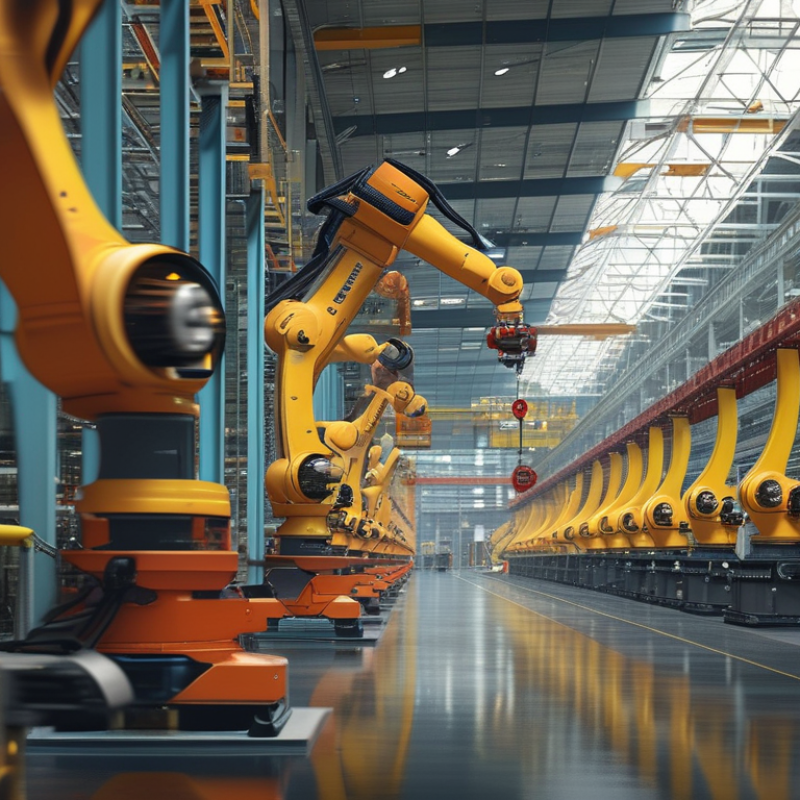
The resilience of UK manufacturing stands as a key asset in global supply chains. Recent shifts in geopolitical landscapes have demonstrated the need for localization and flexibility. The UK offers a diverse range of manufacturing capabilities, from precision engineering to advanced technology. Local production can reduce dependency on distant suppliers. This advantage mitigates risks associated with long lead times and fluctuating tariffs.
Investing in UK manufacturing enhances supply chain reliability. Facilities in the UK benefit from advanced infrastructure and skilled labor. This combination fosters innovation and efficient processes. Even in the face of economic uncertainty, UK manufacturers adapt swiftly. However, challenges remain, such as the rising costs of energy and materials. Companies must navigate these issues thoughtfully to ensure sustainable growth.
The expertise within the UK manufacturing sector contributes to its robustness. Collaboration with local businesses fosters knowledge sharing and continuous improvement. Building relationships within this ecosystem often leads to unexpected solutions. Yet, companies must be open to feedback and adapt their strategies. Embracing change can lead to long-term benefits in supply chain management.
Cost-Effectiveness and Productivity in UK Manufacturing Sectors
UK manufacturing presents a unique opportunity for global supply chains. Many sectors demonstrate significant cost-effectiveness. The availability of skilled labor contributes to this efficiency. Companies in the UK report higher productivity due to advanced technology. This blend of talent and tech fosters innovation in the manufacturing landscape.
Investing in UK manufacturing can yield quick returns. Businesses benefit from lower transportation costs closer to the consumer market. Moreover, shorter lead times enhance responsiveness. As a result, companies can adapt faster to market changes. However, not every sector thrives equally. Some industries struggle with outdated processes. This highlights the importance of continuous improvement in operations.
Sustainability is also a growing concern. Many manufacturers are adopting green practices. These investments can be costly upfront but may pay off in the long run. Consumers increasingly prefer sustainable products, pushing brands to adapt. Yet, the transition is complex and requires strategic planning. Balancing cost and sustainability remains a challenge in UK manufacturing.
Why Invest in UK Manufacturing for Your Global Supply Chain? - Cost-Effectiveness and Productivity in UK Manufacturing Sectors
| Sector |
Average Hourly Wage (£) |
Productivity Index (2019) |
Export Value (£ Million) |
Investment in R&D (£ Million) |
| Automotive |
15.00 |
110 |
42,500 |
500 |
| Aerospace |
17.50 |
140 |
35,000 |
600 |
| Pharmaceuticals |
20.00 |
130 |
45,000 |
700 |
| Food & Beverage |
12.50 |
100 |
30,000 |
300 |
| Electronics |
13.00 |
115 |
18,000 |
250 |
Innovation and Technology Investment in UK Manufacturing
The UK manufacturing sector is increasingly embracing innovation and technology. In the last decade, investment in advanced manufacturing technologies, such as automation and artificial intelligence, has surged. According to a report by the Manufacturing Technologies Association, UK manufacturers invested approximately £13.5 billion in new technology in 2022 alone. This investment enhances productivity and improves product quality.
Moreover, the focus on sustainability is reshaping manufacturing processes. Many companies are exploring green technologies, which not only reduce carbon footprints but also lower operational costs. A study by the UK Manufacturing Institute indicates that 57% of manufacturers are prioritizing sustainable practices in their strategic plans. However, the transition to greener methods poses challenges. Many firms still need to overcome barriers related to costs and workforce training.
The potential for growth in the UK manufacturing sector is strong. Despite these hurdles, the continual push for innovation and technology investment creates a dynamic environment. The balance between maintaining traditional manufacturing strength and integrating new technologies requires ongoing assessment. Businesses must evaluate their strategies to remain competitive in a rapidly evolving market.
Skilled Workforce Availability and Training in the UK
The UK's manufacturing sector is supported by a highly skilled workforce. Many workers possess advanced qualifications in engineering and technology. This creates a strong foundation for companies looking to enhance their supply chains. Moreover, the education system emphasizes practical skills, giving graduates hands-on experience.
Training programs are widely available. Companies can partner with local institutions to develop tailored training solutions. This enables businesses to address specific skill gaps. However, there are challenges. The rapid pace of technological change can sometimes outstrip training programs. Businesses must remain flexible and proactive in upskilling their employees.
In addition, while the UK boasts a robust talent pool, competition for skilled workers is intensifying. The best candidates often have multiple job offers. Employers need to find creative ways to attract and retain talent. Strategies may include offering competitive salaries or fostering a positive workplace culture. This evolving landscape requires ongoing reflection and adaptation from companies.
Sustainability Practices within UK Manufacturing Industries
Investing in UK manufacturing is a strategic choice for companies aiming to enhance their global supply chains. The industry has been shifting towards more sustainable practices. This trend not only benefits the environment but also helps businesses become more competitive. Many manufacturers are adopting eco-friendly materials and refining their production methods. This results in lower carbon footprints and reduced waste.
One aspect to consider is the availability of advanced technologies. Many UK manufacturers are integrating smart technologies. These innovations streamline production and reduce resource consumption. However, some companies struggle with the transition. Employees may resist changes, and the initial costs can be high. Addressing these challenges requires training and a clear strategy.
Creating a culture of sustainability within your supply chain is essential. Encourage suppliers to adopt greener practices too. Collaborate on sustainability goals and share best practices. Regularly review your supply chain to identify opportunities for improvement. This will not only enhance your operations but also build trust and transparency among stakeholders.