Top Trends in UK Manufacturing for Future Growth?
The UK manufacturing sector stands at a pivotal moment, facing an array of opportunities and challenges for growth. A recent report by the UK Manufacturing Association highlights that 70% of manufacturers plan to invest in technology this year to boost productivity. This evolution aligns with insights from industry expert Dr. Emma Richards, who states, "Innovation in uk manufacturing will determine its future resilience and competitiveness."
One notable trend is the shift towards sustainability. Most firms now recognize the importance of eco-friendly practices. Moreover, digital transformation remains crucial, with 68% of manufacturers adopting smart technologies. However, the transition is not without obstacles. Many companies struggle with skill gaps in their workforce, impacting their ability to innovate.
As UK manufacturing evolves, it's crucial to acknowledge both achievements and shortcomings. There is a pressing need for ongoing education and investment in talent. Without addressing these issues, the industry risks falling behind global competitors. The landscape of UK manufacturing is poised for growth, but only with a balanced approach to innovation and sustainability.
Current State of UK Manufacturing and Its Economic Impact
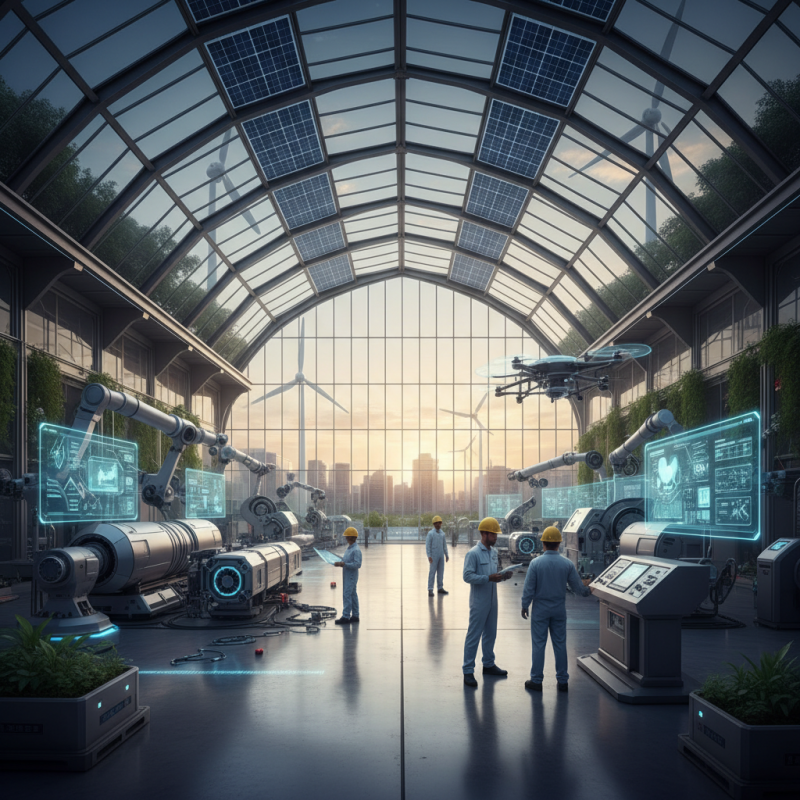
The current state of UK manufacturing is a mixed picture. While the sector contributes approximately 10% to the national GDP, growth has faced significant headwinds. According to the Office for National Statistics (ONS), manufacturing output decreased by 2.1% in the past year. Supply chain disruptions and rising energy costs have hampered production capacity. This reality calls for a critical evaluation of existing practices.
Investment in technology is becoming crucial. The 2022 UK Manufacturing Report indicated that 46% of firms plan to invest in automation and digitization over the next three years. However, some manufacturers struggle to align their workforce skills with these advancements. The skills gap remains a pressing concern, impacting productivity and innovation potential. Industry leaders must prioritize training programs to equip workers with necessary technical skills.
Environmentally sustainable practices are emerging as a key focus area. The UK government has committed to achieving net-zero carbon emissions by 2050. The latest figures show that 27% of manufacturers have adopted green initiatives. Yet, many still lag in integrating sustainability into their core operations. The drive for greener production must be balanced with economic realities, emphasizing both growth and responsibility.
Top Trends in UK Manufacturing for Future Growth
| Trend |
Impact on Growth |
Current Adoption Rate (%) |
Projected Growth Rate (%) |
| Automation & Robotics |
Increases efficiency, reduces labor costs |
60 |
20 |
| Sustainability Practices |
Attracts eco-conscious consumers, reduces waste |
45 |
25 |
| Digital Transformation |
Enhances data analytics, improves decision-making |
55 |
30 |
| Resilience Planning |
Mitigates risks, ensures continuity |
50 |
15 |
| Workforce Upskilling |
Improves skill sets, boosts productivity |
40 |
28 |
Emerging Technologies Driving Innovation in Manufacturing Sectors
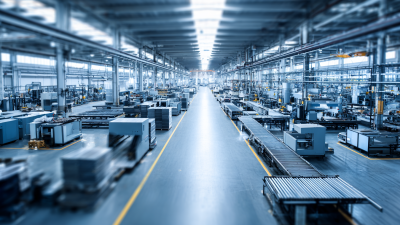
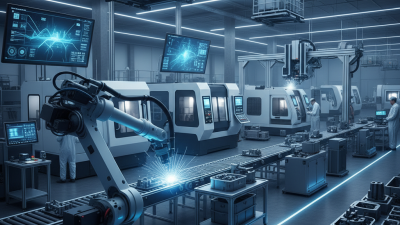
Emerging technologies are transforming UK manufacturing, driving innovation and future growth. Automation is at the forefront. Factories now use robots for precise assembly and packaging. These machines reduce human error and increase efficiency. However, many smaller firms struggle to adopt these technologies. They often lack the resources or expertise needed. This gap could widen the divide between large and small manufacturers.
Another significant trend is the integration of the Internet of Things (IoT) in manufacturing processes. IoT devices enable real-time monitoring of equipment and supply chains. This leads to smarter decision-making and quicker responses to issues. Still, data security is a pressing concern. Manufacturers must invest in robust cybersecurity measures to protect sensitive information. The challenge lies in balancing innovation with security needs.
Additive manufacturing, or 3D printing, continues to gain traction as well. It allows for rapid prototyping and customized production. This technology has the potential to reduce waste and lower costs. However, it requires a shift in mindset among traditional manufacturers. They must adapt to new workflows and materials. This transition can be daunting but essential for staying competitive in a rapidly evolving landscape.
Sustainability Practices and Their Role in Future Growth
Sustainability is reshaping UK manufacturing. Reports indicate that nearly 70% of manufacturers are investing in sustainable practices. This shift is not just about compliance; it offers a competitive edge. Many manufacturers are integrating renewable energy sources. In fact, 45% have increased their use of solar and wind energy.
The benefits extend beyond cost savings. Sustainable practices attract consumers who value eco-conscious brands. Around 78% of customers prefer products from sustainable sources. Yet, challenges remain. Many companies struggle with the initial cost of green technologies. Transitioning requires careful planning and resources. A McKinsey report highlights that 60% of businesses face hurdles in supply chain sustainability.
Despite these obstacles, the potential for growth is significant. Businesses that successfully navigate these changes often see long-term benefits. Sustainability can improve brand loyalty and market share. The path is not easy, but the rewards are clear. Companies must remain committed to evolving their practices. The future growth of UK manufacturing heavily relies on sustainability.
Workforce Development and Skills Gaps in Manufacturing Industry
The manufacturing sector in the UK faces significant challenges in workforce development. Many skilled workers are reaching retirement age, creating a skills gap. These gaps threaten the industry's growth and competitiveness. Companies must invest in training and development to address this urgent issue.
Collaboration with educational institutions can provide tailored programs. These programs should focus on both technical skills and soft skills. However, some companies may resist investing in such initiatives. Inadequate training results in a workforce that struggles with modern technologies. Employees need regular upskilling to keep pace with industry advancements.
Many organizations lack a clear strategy for workforce development. This gap often leads to a mismatch between job requirements and employee capabilities. Engaging current employees in training can boost morale. It fosters a culture of continuous learning. Ultimately, bridging the skills gap is essential for the future of UK manufacturing. Facing these challenges head-on will determine the industry's success in a rapidly changing landscape.
The Role of Government Policies in Shaping Manufacturing Trends
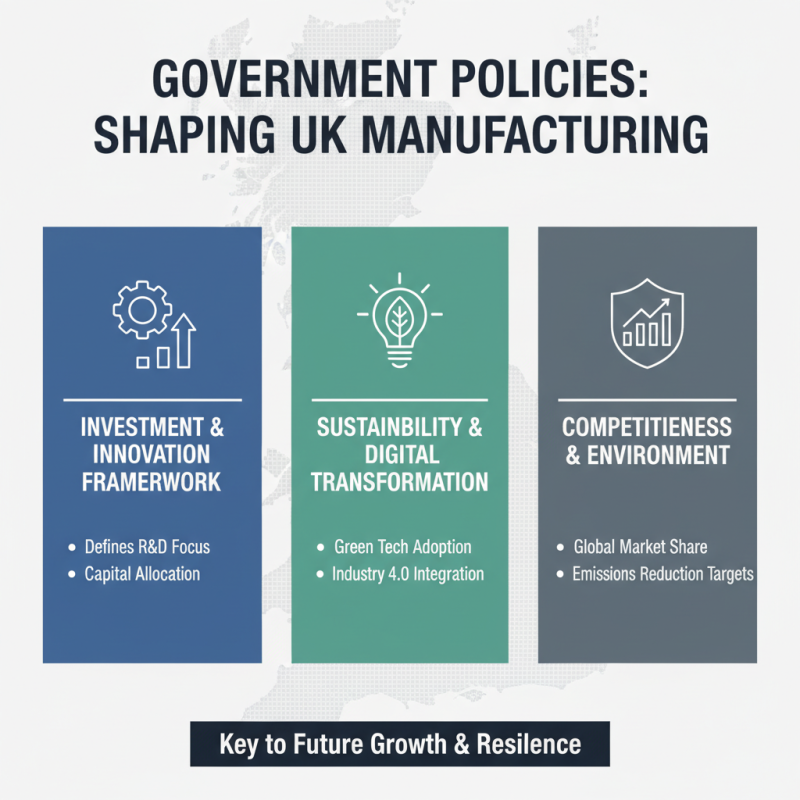
Government policies play a critical role in shaping the future of UK manufacturing. They help define the framework for investment, innovation, and workforce development. Recent initiatives focus on sustainability and digital transformation. The government aims to increase competitiveness while addressing environmental concerns.
Manufacturers are encouraged to adopt green technologies and lean practices. This shift requires significant investment, which can be a challenge for smaller firms. However, there are grants and tax incentives available to support these transitions. A collaborative effort between government and businesses can drive this growth.
Tips: Embrace the digital landscape. Use automation to enhance productivity. Regularly assess your practices for efficiency.
It's vital to remain adaptive. The manufacturing landscape is changing rapidly. Policies evolve, and so should your strategies. An agile approach allows companies to seize new opportunities as they arise. Local businesses are crucial in creating resilient supply chains. Always seek ways to engage with government initiatives to better align with future trends.