Why Choose a Stainless Steel Factory for Your Business?
Choosing a stainless steel factory can shape product quality, delivery reliability, and costs long after the first order. Stainless steel appears in kitchen equipment, storage tanks, building components, and many other products. Yet the material name alone says little about how well a finished part will perform. Grade selection, cutting accuracy, welding consistency, and surface treatment all matter. Small details matter.
A capable factory can help translate drawings and specifications into repeatable production. Ask how it checks material grades, measures dimensions, manages welds, and protects finished surfaces during packing. A sample part, inspection record, or clear production update can offer more useful evidence than a polished sales promise. For example, a clean weld may look convincing, but fit, finish, and documented checks deserve attention too. Details count.
The right partner should explain its capabilities plainly, identify limits, and raise questions when a design seems difficult to manufacture. That candor is useful. It may slow a decision, but it can prevent costly surprises later. Still, no factory is automatically the best choice for every business. Compare relevant experience, quality controls, lead times, communication, and total cost against your own requirements. A thoughtful evaluation helps you choose a stainless steel factory that fits the work—not just the quotation.
Understanding the Role of a Stainless Steel Factory
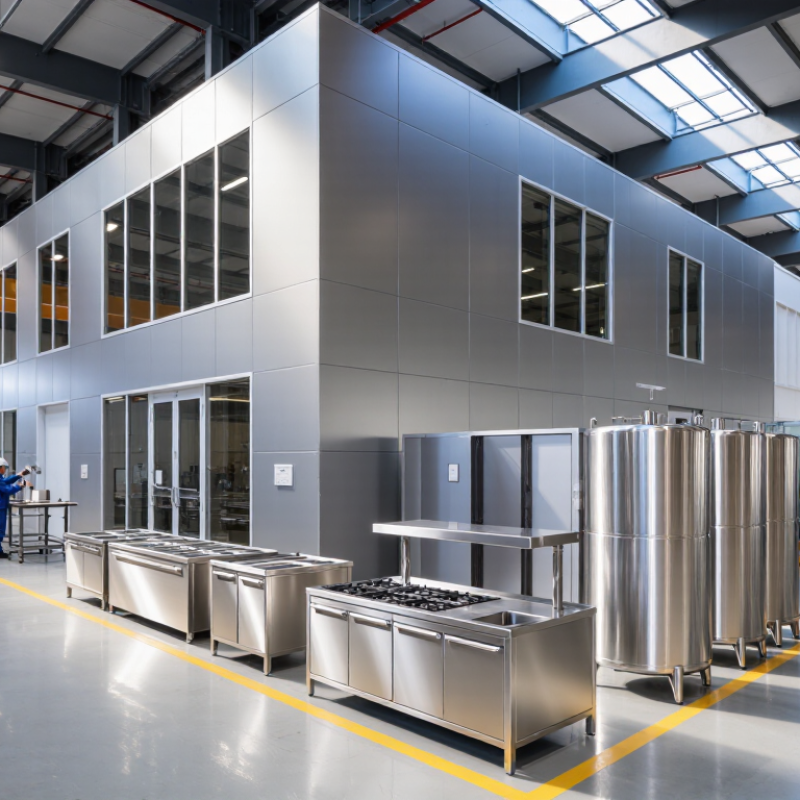
A stainless steel factory does more than supply metal. It connects material selection, processing, and inspection to the conditions your product will face. Some facilities melt and produce steel; others cut, form, weld, or finish material made elsewhere. Knowing which role a supplier performs helps set clear expectations.
The process often begins with a specification: grade, thickness, finish, dimensions, and intended environment. A kitchen worktop may need a smooth, cleanable surface, while an outdoor component may require careful attention to corrosion exposure. The factory can cut sheets, bend edges, weld joints, and check measurements against drawings. Small errors matter. A slight bend variation can complicate assembly later.
Ask how material identity is tracked through production, and request relevant inspection records or material certificates. Check whether the facility can verify thickness, dimensions, weld quality, and surface finish for your order. A polished sample can look convincing, yet it may not reveal how consistently larger batches are made. Ask anyway. A factory’s capabilities also have limits, and not every supplier handles every grade or process equally well. Clear drawings and realistic tolerances make conversations more useful, though specifications sometimes need revision after a prototype exposes a weak point.
How Factory Processes Shape Product Quality and Consistency
Why Choose a Stainless Steel Factory for Your Business?
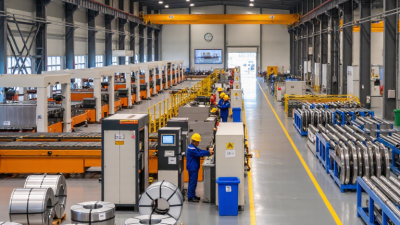
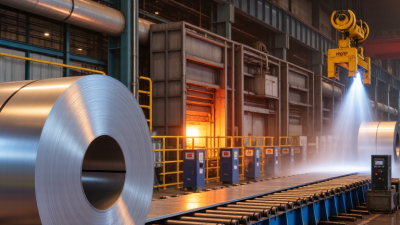
A stainless steel product’s consistency begins well before it leaves the factory. Incoming coils can be checked for grade and chemistry, then tracked through forming, heat treatment, pickling, and finishing. Temperature records and thickness measurements help catch variation before it becomes a costly batch problem. Small checks matter.
The International Stainless Steel Forum’s Stainless Steel in Figures 2024 reports global stainless steel melt shop production of 58.4 million tonnes in 2023. That scale makes repeatable controls essential, especially when buyers need matching sheets or components across multiple orders. Ask a factory how it records material heat numbers, verifies surface finish, and handles nonconforming pieces. A polished sample alone proves little. A factory’s inspection logs and traceability records offer a clearer view, though no process eliminates every defect.
Tips: Request a sample from a routine production run, not only a hand-selected piece. Compare its thickness, finish, and edge quality with the written specification. Then ask how those measurements are recorded. A perfect finish is not guaranteed. Factory controls reduce surprises, but they deserve regular review.
Comparing Production Capacity, Costs, and Customization
A stainless steel factory can offer tighter control over production capacity, lead times, and product specifications. The International Stainless Steel Forum’s Stainless Steel in Figures 2024 reports global stainless steel melt-shop production of 58.4 million metric tonnes in 2023. That figure shows the scale of the industry, not the capacity of any one supplier. Ask for a factory’s monthly output, current utilization, and recent on-time delivery rate. A large headline capacity means little if your order competes with a full production schedule.
Cost comparisons should include more than the price per tonne. Request a breakdown of material grade, processing, tooling, packaging, and freight. For example, a custom-cut sheet may cost more upfront but reduce offcuts and workshop labor. Confirm tolerances and inspection steps in writing; small thickness or finish differences can create costly rework. Customization is valuable, but complex specifications may require extra setup time and minimum order quantities. I would not assume every factory handles every finish equally well.
Tips: Send a drawing, target quantity, and required finish when requesting a quote. Ask for a sample or inspection record before approving a large run. Compare total landed cost, not just the unit price.
Why Choose a Stainless Steel Factory for Your Business?
A directional comparison of production capacity, cost efficiency, and customization across common sourcing options.
Scores use an illustrative 0–100 index, not measured industry-wide data. A factory may offer stronger scale and customization for repeat or high-volume orders; actual costs and capabilities vary by supplier, specification, order size, and location.
Selecting a Factory to Meet Your Business Requirements
Choosing a stainless steel factory starts with your actual production needs, not the largest catalogue. Define the grade, thickness, surface finish, dimensions, order volume, and delivery schedule you require. The World Stainless Association’s Stainless Steel in Figures 2024 reports global stainless steel melt-shop production of 58.4 million tonnes in 2023. That scale means buyers have options, but capacity alone does not prove a factory can meet your tolerances.
Ask for material test certificates and traceability records linked to each batch. Check how the factory controls cutting, forming, welding, and finishing. Ask for samples that show the edge quality and surface appearance you expect.
Details matter.
A small trial order can reveal packaging damage, inconsistent dimensions, or delays before they affect a larger shipment. Confirm minimum order quantities, production lead times, and how changes are handled.
Visit the factory if practical, or request a live production walkthrough and recent inspection records. Compare quotes on the same specifications; a low price may exclude testing, finishing, or protective packaging. No factory is perfect. The useful question is how clearly it explains a problem and corrects it. A checklist can feel fussy, yet one missed tolerance may cost more than the time spent checking.