What Is UK Manufacturing and Why Buy From UK Suppliers?

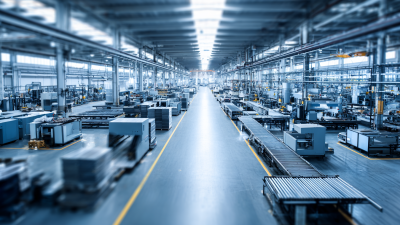
What is uk manufacturing, and why should international buyers consider suppliers based in Britain? The answer extends beyond factory floors and familiar industrial names. It includes precision engineering, aerospace components, medical devices, food production, textiles, and advanced materials. In many regions, you can still find skilled technicians inspecting metal parts under bright workshop lights. You can also find automated production lines tracking tolerances measured in microns.

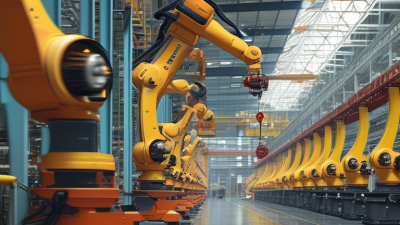
“Manufacturing is the backbone of the UK economy,” says Stephen Phipson, Chief Executive of Make UK. His statement reflects the sector’s continuing importance to employment, innovation, exports, and regional development. British suppliers often combine established engineering knowledge with modern technologies, including robotics, digital quality systems, and lower-waste production methods. Many companies also provide traceable documentation, product testing, and structured quality controls. These details matter when buyers need consistency rather than attractive promises.

However, the picture is not flawless. Higher energy costs, labour shortages, supply disruptions, and changing trade requirements can affect delivery times and prices. Buyers should ask direct questions about capacity, certifications, lead times, and contingency planning. Do not assume every supplier offers the same standards. Careful checking remains essential.

A reliable UK supplier can offer more than a product. It may provide practical communication, closer technical collaboration, and clearer accountability when specifications change. That relationship can reduce misunderstandings during sampling, production, and inspection. Yet purchasing from Britain is not automatically the best choice for every project. The strongest decision comes from comparing evidence, performance, total cost, and long-term fit. That is where uk manufacturing becomes a considered option, not merely a patriotic preference.
What Is UK Manufacturing and Why Buy From UK Suppliers?

What Is UK Manufacturing?

What Is UK Manufacturing?

UK manufacturing is the process of turning materials, designs, and components into finished goods within the United Kingdom. It covers many sectors, including engineering, food production, textiles, medical equipment, and construction materials. A typical production line may include computer-controlled cutting, hand assembly, surface treatment, inspection, and final packaging.

The work often begins with a technical drawing and a small prototype. Operators then check measurements with gauges, record batch details, and test products before dispatch. This practical structure can improve traceability and communication between suppliers.

UK manufacturers also work within established safety, quality, and environmental requirements. However, standards alone do not guarantee perfect results. Human mistakes still happen, especially during busy production periods. Reliable manufacturers admit this and use documented checks to reduce repeat errors.

Tips: Ask where each major component is made. Request sample inspection records and clear production tolerances. Visit the facility if the order is important. A useful visit may reveal clean work areas, labelled materials, maintained equipment, and workers who understand the process. Do not judge quality from polished photographs alone.

UK manufacturing is not always the cheapest choice. Labour, testing, and compliance costs can increase the purchase price. Yet shorter communication lines may reduce delays, confusing specifications, and costly rework. Buyers should compare total value, not only the first quotation. A supplier with honest limitations may be more dependable than one making impressive but vague promises.

Key Industries and Products Made in the UK

UK manufacturing covers advanced engineering, pharmaceuticals, aerospace, automotive, food production, textiles, and renewable-energy equipment. It also includes smaller workshops making precision parts, laboratory instruments, and specialist machinery. Make UK reported manufacturing output of approximately £224 billion in 2023. The sector supported millions of jobs across regional supply chains, not only in large factories.

The products are often highly technical. Aerospace suppliers produce lightweight structures, turbine components, and control systems. Medical manufacturers make diagnostic equipment, surgical instruments, and regulated medicines. Automotive plants assemble vehicles, batteries, and precision metal parts. According to the Society of Motor Manufacturers and Traders, UK factories produced 905,117 cars in 2023, including growing numbers of electric models. Food and drink remains another major manufacturing field. Government trade data places it among the UK’s largest exporting industries.

There are practical reasons to buy from UK suppliers. Shorter delivery routes can simplify inspections, communication, and after-sales support. UK factories also operate under detailed product-safety, employment, and environmental requirements. ISO certification helps, but it is not proof of perfect performance. Buyers should still request audit records, material certificates, production samples, and realistic lead times. The picture is not flawless. High energy prices, labour shortages, and uneven regional investment still affect costs. The Department for Business and Trade has repeatedly identified supply-chain resilience as a continuing concern. Origin matters, but evidence matters more.

How UK Manufacturers Produce and Control Quality

UK manufacturing is built around controlled processes, skilled technicians, and traceable decisions. The Make UK Manufacturing Facts 2024 report estimates that manufacturing contributes about £224 billion to the UK economy and supports 2.6 million jobs. This scale matters. It creates deep technical experience across metalwork, engineering, food production, electronics, and advanced materials.

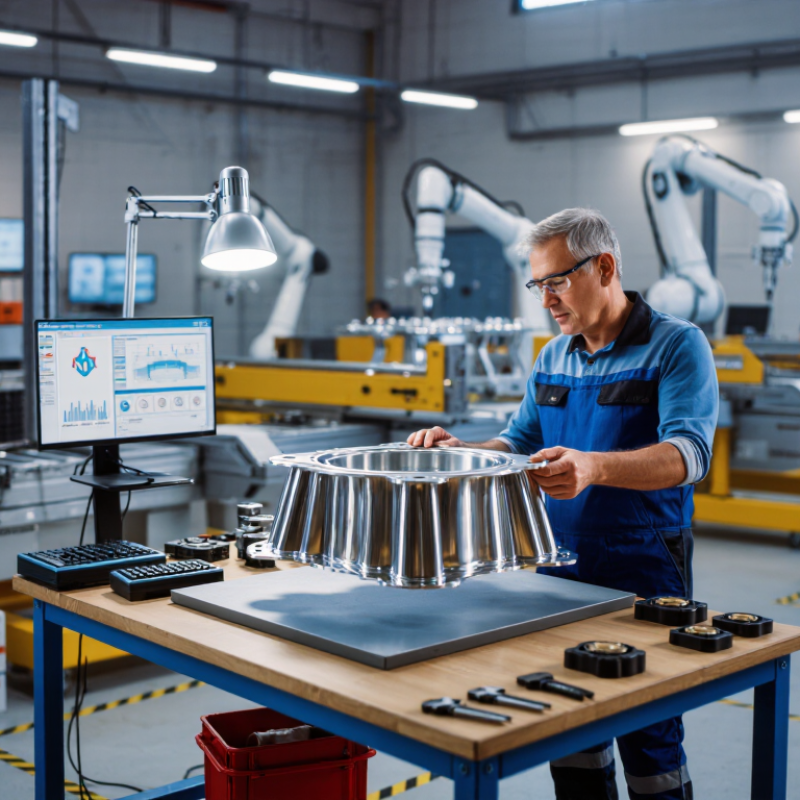
Quality control usually begins before production. Engineers check drawings, material certificates, and supplier records. Operators then measure dimensions with calibrated gauges, inspect surfaces under bright lighting, and record results digitally or on controlled forms. The ISO Survey 2023 reports more than 30,000 ISO 9001 certificates in the UK. Certification does not guarantee perfection. It shows that a repeatable quality system exists, provided people use it properly.

Many UK factories combine sampling with full inspection for critical parts. Non-conforming items are isolated, investigated, and corrected through documented actions. Statistical process control can reveal a gradual tool-wear problem before dimensions leave tolerance. Still, paperwork can become a weakness. A signed checklist is not proof of quality if nobody studies the evidence. Experienced manufacturers review customer feedback, downtime, returns, and near-misses. That practical loop often improves production more than another polished procedure. Small inconsistencies remain possible, especially during urgent orders or staff changes. Honest suppliers explain those risks and show how they manage them.

What Is UK Manufacturing and Why Buy From UK Suppliers? — How UK Manufacturers Produce and Control Quality
Manufacturing Dimension Typical UK Practice Production and Quality-Control Activities Relevant Evidence or Requirement Buyer Benefit
Definition and Scope Manufacturing in the United Kingdom converts raw materials, components or semi-finished goods into finished products through physical, chemical or assembly processes. Processes may include machining, fabrication, casting, moulding, electronics assembly, food processing, textile production and final assembly. Manufacturing activities are classified within the UK Standard Industrial Classification system. Provides a clear production origin and allows buyers to identify where value is added.
Material Control Materials are normally purchased against defined specifications and purchase-order requirements. Incoming goods can be checked for dimensions, grade, certificates, batch numbers, quantity and visible damage before release to production. Inspection records, supplier certificates, batch identification and approved-supplier procedures. Reduces the risk of incorrect, substituted or non-conforming materials entering production.
Product Design and Engineering Manufacturers may use controlled drawings, bills of materials, specifications and revision-controlled technical documents. Design reviews, tolerance analysis, prototype testing and engineering-change approval help confirm that the product can be manufactured consistently. Document control and design-management procedures are common elements of quality-management systems. Improves product consistency and reduces mistakes caused by outdated drawings or specifications.
Production Planning Production is scheduled according to demand, available capacity, material availability and agreed delivery dates. Work orders, route cards, digital production records and job travellers can define the required sequence and inspection points. Traceable production documentation links the finished product to its process history. Supports more reliable delivery planning and faster investigation of production issues.
Process Control Critical manufacturing parameters are identified and controlled during production. Operators may monitor temperature, pressure, speed, torque, dimensions, electrical performance or other process-specific variables. Control plans, standard operating procedures, process checks and recorded measurements. Detects variation during production instead of relying only on final inspection.
Inspection and Testing Inspection requirements are selected according to product risk, specification and intended use. Checks may include visual inspection, dimensional measurement, functional testing, electrical testing, leak testing or laboratory analysis. Inspection results are compared with approved drawings, specifications or applicable product standards. Provides objective evidence that products meet agreed requirements before shipment.
Measurement Equipment Measuring equipment used for quality decisions should be suitable for its purpose and maintained in usable condition. Equipment may be identified, protected from damage and periodically calibrated or verified against known references. Calibration labels, equipment registers and calibration certificates support measurement traceability. Improves confidence that reported measurements are accurate and repeatable.
Quality-Management Systems Manufacturers may operate a documented quality-management system based on customer, regulatory or sector requirements. Core activities can include internal audits, corrective action, complaint handling, document control and management review. ISO 9001 is an internationally recognised quality-management standard; certification is voluntary unless contractually required. Offers a structured method for controlling processes and improving performance.
Regulatory Compliance Products placed on the UK market must comply with applicable UK legislation and product-specific requirements. Manufacturers assess applicable safety, labelling, technical-file, testing and conformity requirements before placing products on the market. Requirements vary by product category and may involve UK legislation, designated standards or sector-specific rules. Reduces compliance risk and supports lawful sale and use in the intended market.
Worker Health and Safety UK workplaces are subject to occupational health and safety duties, including the prevention and control of workplace risks. Risk assessments, safe operating procedures, training, personal protective equipment and equipment safeguards may be used. The Health and Safety at Work etc. Act 1974 is a central part of the UK health and safety framework. Encourages responsible production and helps reduce avoidable workplace incidents.
Environmental Management Manufacturers must manage environmental impacts in accordance with applicable legislation and permit conditions. Controls may cover waste segregation, emissions, chemical handling, energy use, water use and pollution prevention. Environmental requirements can include the Environmental Protection Act 1990, waste regulations and site-specific permits. Supports more responsible sourcing and helps buyers assess environmental controls.
Traceability Traceability depth depends on the product, industry risk and customer specification. Records can connect raw-material batches, operators, machines, inspection results, rework and shipment details to a finished product. Batch codes, serial numbers, lot records and production-history documentation. Enables targeted investigations, controlled recalls and clearer accountability.
Non-Conforming Product Products that do not meet requirements should be identified and controlled so they are not unintentionally released. Typical actions include segregation, concession approval, rework, repair, return to supplier or controlled disposal. Non-conformance reports and corrective-action records document the decision and outcome. Reduces the chance of defective goods reaching the customer.
Corrective and Preventive Improvement Manufacturers investigate recurring defects and process failures rather than only correcting individual products. Root-cause tools may include the 5 Whys, cause-and-effect analysis, trend review and process audits. Corrective-action plans normally identify the cause, action owner, due date and effectiveness check. Helps improve consistency, reduce repeat failures and support long-term quality.
Supply-Chain Visibility UK suppliers can provide closer communication and time-zone alignment for customers in the UK and nearby markets. Regular technical discussions, sample approvals, order updates and issue escalation can be managed directly with the supplier. Purchase orders, supplier reviews, technical agreements and documented change notifications. Can simplify communication, shorten feedback cycles and improve response to changes.
Final Release and Delivery Finished products are released after required production, inspection and documentation activities are complete. Final checks may verify quantity, packaging, identification, certificates, labelling and customer-specific requirements. Release approvals, packing records, certificates of conformity and shipment documentation. Creates a documented handover from manufacturing to the customer or distribution channel.

Why Buy From UK Suppliers?

UK manufacturing covers a wide range of production, from precision engineering and fabricated components to food equipment and specialist textiles. Buying from UK suppliers can make sourcing clearer, especially when traceability matters. A buyer may speak directly with the production team, inspect processes, and receive documentation in familiar formats. This reduces confusion around specifications, testing, and delivery expectations.

Local or regional supply chains can also shorten transport routes and improve communication. A design change can be discussed during a video call, rather than through several intermediaries. Quality checks may include material certificates, dimensional reports, batch records, and final inspections. These details support consistent production. They also help buyers investigate problems quickly when something goes wrong.

The advantage is not automatic. UK suppliers may charge more than distant alternatives, and capacity can vary between manufacturers. A careful buyer should check certifications, lead times, production equipment, and realistic output before placing an order. Small trial runs are often useful. They reveal packaging issues, unclear drawings, or tolerance problems early.

Reliability grows through evidence, not promises. Ask how non-conforming parts are isolated and how corrective actions are recorded. Responsible suppliers should explain these steps clearly. They should also discuss energy use, waste handling, and worker safety without vague claims. For some businesses, the higher purchase price may be balanced by fewer delays, stronger oversight, and easier technical support. That balance deserves honest review.

What Is UK Manufacturing and Why Buy From UK Suppliers?

UK manufacturing covers the production of goods such as machinery, transport equipment, chemicals, pharmaceuticals, food products and engineered components.

Why consider UK suppliers? A substantial manufacturing base supports established technical expertise, regulated production, supply-chain traceability and closer communication for buyers in the UK and nearby markets. Local sourcing can also help reduce transport distances and simplify delivery coordination.

Data: World Bank, Manufacturing, value added (% of GDP), United Kingdom. Figures are rounded to one decimal place.

How to Choose a Reliable UK Manufacturing Partner

What Is UK Manufacturing and Why Buy From UK Suppliers?

Choosing a reliable UK manufacturing partner requires more than checking a website. A dependable supplier should explain its processes clearly, from material sourcing to final inspection. Ask for production records, quality certificates, and recent client references. These details reveal how the business performs beyond its marketing.

Visit the facility if possible. Look at workspaces, storage conditions, testing equipment, and staff procedures. A clean factory does not guarantee perfect results, but poor organisation often creates avoidable risks.

Request a sample before placing a large order. Check dimensions, finish, packaging, and delivery time against your written specifications. UK suppliers may offer shorter communication lines, clear contractual terms, and stronger traceability. However, local production alone does not prove reliability. Capacity, pricing, and technical skill still need careful review.

Tips: Define acceptance standards before discussions begin. Confirm minimum order quantities, lead times, payment stages, and how defects are handled. Ask who owns the tooling and technical drawings. Keep every agreement in writing.

I have seen buyers focus heavily on unit price, then face higher costs through delays and rework. That mistake is easy to make. It is also avoidable. Leave room for honest questions, including whether the supplier can manage demand during busy periods. The best partnership may not feel perfect at the start. It should feel transparent, responsive, and steadily more dependable.