What is a Vibro Machine and How Does It Work?
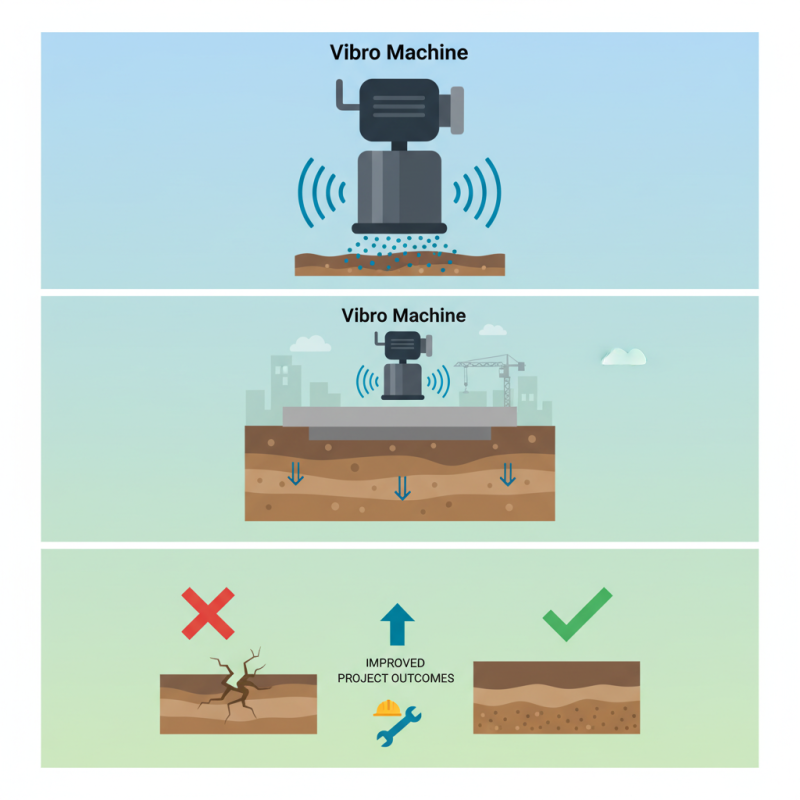
In today’s fast-paced construction environment, a vibro machine plays a crucial role. This device uses vibrations to compact soil. It ensures stability for various structures. Often seen on construction sites, its design is quite fascinating.
A vibro machine consists of a heavy weight and a powerful motor. These components work together to produce vibrations at varying frequencies. This mechanism enhances the soil's density. Many users may not realize its significance in engineering fields. It's more than just a tool; it's a game changer.
However, understanding how a vibro machine operates is essential. Misuse can lead to structural issues. The effectiveness relies on proper technique and knowledge. Users should reflect on their experiences to optimize results. This tool can simplify tasks, but it requires expertise. Ultimately, when used correctly, a vibro machine can greatly improve project outcomes.
What is a Vibro Machine?
A vibro machine, often used in various industries, is designed to enhance the efficiency of processes like compaction and surface finishing. It utilizes vibrations to achieve its goals, addressing the challenges of material settling and distribution. This machine typically consists of a body that houses a motor, which generates vibrations. The result is a dynamic force that can transform loose materials into a compact form.
When using a vibro machine, operators must consider several factors. The frequency of vibrations and the amplitude can dramatically influence the outcome. Too much vibration can lead to undesirable results, such as material segregation. On the other hand, insufficient vibrations can leave gaps in compaction. Users often learn through trial and error, as finding the right balance can be tricky. Each material reacts differently, demanding constant adjustments.
Many users find themselves questioning the setup and effectiveness of their vibro machines. It's common to face issues with uneven surface finishes or settling problems. Reflection on one's methods often leads to better practices. Experimentation can be a tedious journey, but it's essential for mastering the technology. This process of learning can help enhance efficiency and improve overall results in various applications.
Key Components of a Vibro Machine
A Vibro machine is a powerful tool designed to enhance vibration-induced tasks. These machines effectively compact materials through their unique components. Understanding these key components is crucial for effective operation.
The motor is central to a Vibro machine’s functionality. It generates vibrations that are transferred through the system. A spring suspension system absorbs shocks and enhances stability. The platform holds the material, allowing it to settle evenly during the vibration process. This setup is simple yet very effective.
Another critical element is the control panel. It allows users to adjust vibration amplitude and frequency. Some machines also feature an automatic shut-off option. These features can be helpful but require careful monitoring. Operators often overlook maintenance, leading to inefficiencies. Regular checks on motor condition and spring integrity can prevent mishaps.
What is a Vibro Machine and How Does It Work? - Key Components of a Vibro Machine
| Component |
Description |
Function |
| Base Frame |
A robust structure that supports all other components. |
Provides stability and rigidity to the machine. |
| Vibrating Motor |
Electric motor that generates vibrations through a connecting shaft. |
Creates the necessary vibrational motion for the material processing. |
| Screening Deck |
A surface with openings used to separate materials by size. |
Allows finer materials to pass through while retaining larger particles. |
| Spring System |
A series of springs that provide suspension to the vibrating deck. |
Absorbs shocks and facilitates smooth vibrations. |
| Control Panel |
Interface for operating and adjusting machine settings. |
Allows the user to control vibration frequency and amplitude. |
| Feed Hopper |
A container that holds and feeds materials into the machine. |
Ensures a consistent flow of materials for processing. |
How Vibro Machines Work: The Science Explained
Vibro machines use vibration to enhance material handling and processing. These machines operate on the principle of oscillation. The vibration frequency typically ranges between 50 to 60 Hz, making it effective for compacting and mixing materials.
The science behind vibratory motion involves physics principles such as resonance and amplitude. According to industry reports, vibrational forces can improve particle alignment. This leads to better stability and handling of materials. Additionally, the energy efficiency of vibro machines can be as high as 90%, significantly reducing operational costs.
However, not every application benefits equally from vibro machines. Some materials may not respond well to vibration. This can lead to inconsistent results. Users must evaluate the specific requirements before implementation. Moreover, the long-term durability of the machines can be questioned. Some studies suggest maintenance challenges arise due to constant wear and tear. These factors merit careful consideration in any operational assessment.
Applications of Vibro Machines in Various Industries
Vibro machines have found extensive applications across various industries, playing a crucial role in improving efficiency and productivity. In construction, for instance, these machines help in soil compaction. According to a report by the International Journal of Engineering, proper soil compaction can increase load-bearing capacity by up to 30%. This is vital for ensuring the stability of structures.
In the food industry, vibro machines are used for screening and classifying products. A study by the Food Processing Association indicates that efficient vibratory screening can reduce material waste by over 15%. This highlights the importance of vibro machines in optimizing resources. However, challenges remain. Not all machines are adjustable, leading to potential inefficiencies in processing.
The pharmaceutical sector also benefits from these machines. They are used for tablet production, ensuring uniformity and quality. The World Health Organization states that consistent tablet quality is crucial for patient safety. However, if not regularly maintained, the vibro machines can lead to significant discrepancies in output. This underscores the need for regular checks and balances. The impact of vibro machines is clear, but continuous improvement is essential for maximizing their potential.
Benefits of Using Vibro Machines in Production Processes
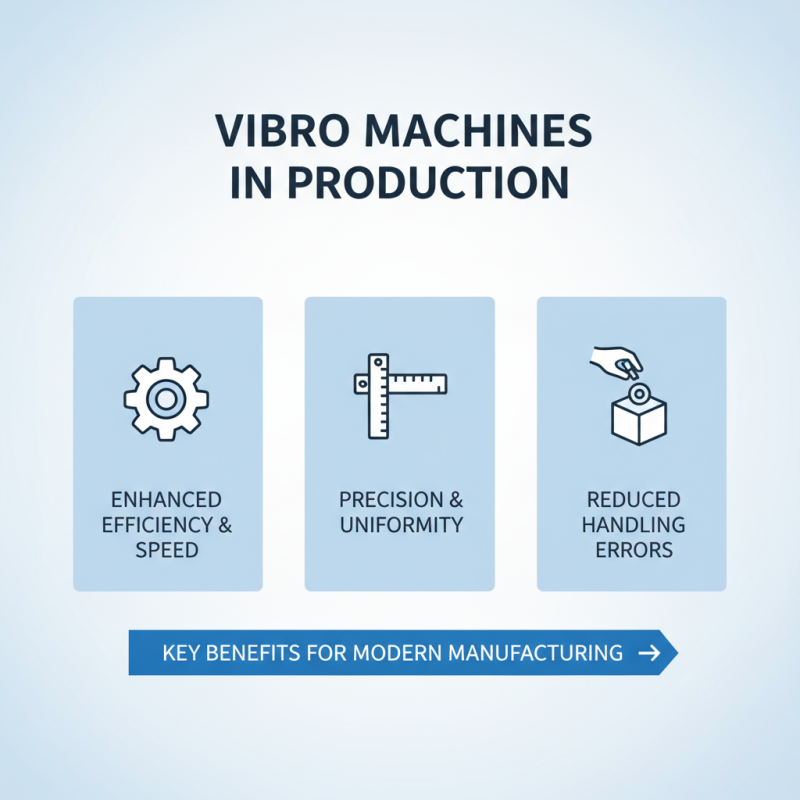
Vibro machines are essential tools in many production processes. They use vibrations to move materials or products along a production line. This mechanized movement can enhance efficiency and speed. In environments where precision is key, vibro machines shine. They ensure uniformity and reduce handling errors.
The benefits of using vibro machines are significant. They can handle various materials, from granular substances to larger aggregates. Operators often notice a decrease in production time. Additionally, these machines minimize the risk of product damage during transit. By employing vibrations, materials settle evenly, improving overall quality. However, it's crucial to monitor the machine settings. Over-vibration can lead to material degradation, which may require adjustments.
Incorporating vibro machines may also lead to areas of improvement. Routine maintenance is vital to ensure optimal performance. Familiarity with the specific needs of each material is necessary. Sometimes, the initial investment may seem daunting, but the long-term benefits often outweigh costs. Embracing this technology can transform efficiency in production lines for the better.