Top Home Engineering Techniques for Sustainable Living Solutions?
In a world facing climate challenges, "home engineering" emerges as a key solution. Sustainable living is not just a trend; it's a necessity. Innovative techniques can transform how we interact with our homes.
Imagine harnessing solar power or utilizing rainwater systems. These methods not only reduce energy costs but also minimize environmental impact. Yet, many homeowners grapple with the implementation of such ideas. Often, they hesitate due to initial costs or lack of knowledge.
The goal of sustainable living is to create harmony between lifestyle and nature. However, achieving this balance can feel overwhelming. Engaging in home engineering practices can lead to profound changes. Adjustments may seem small, but they can inspire a larger movement toward sustainability. Understanding these techniques is the first step toward a greener future.
Top Home Engineering Techniques for Sustainable Living Solutions
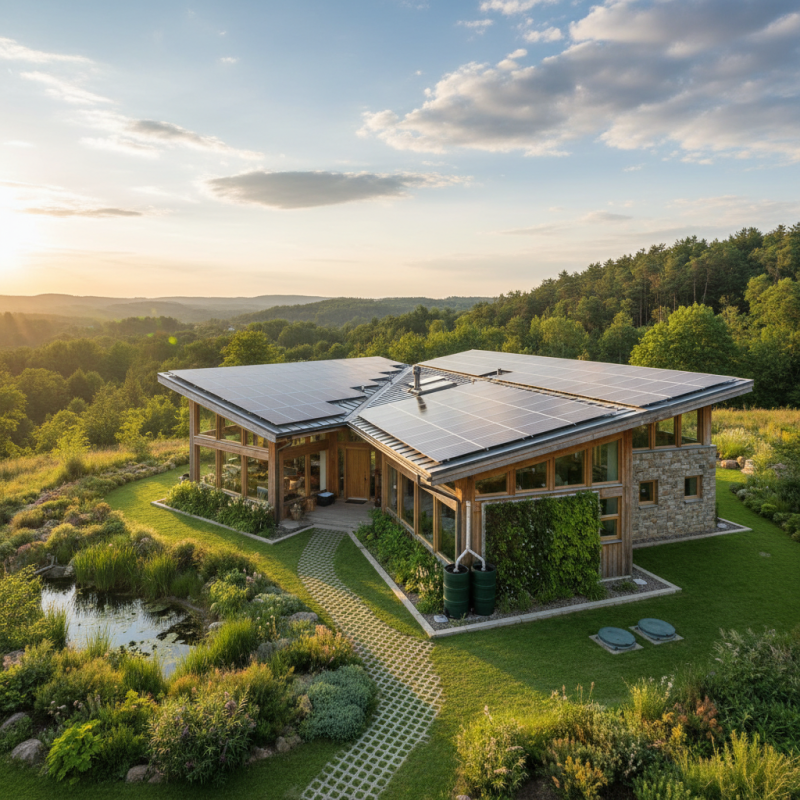
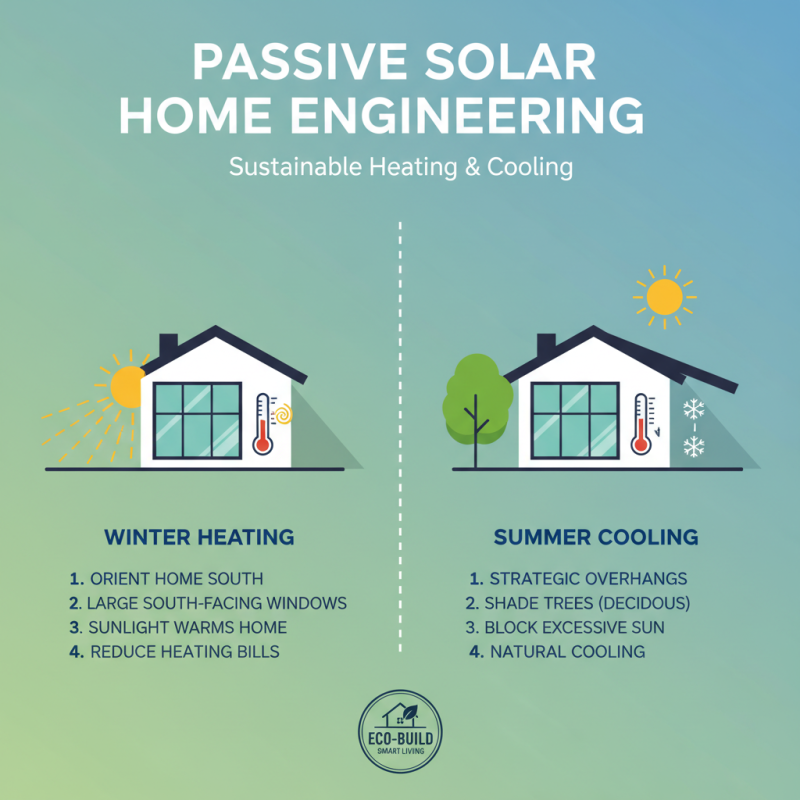
Sustainable living relies heavily on effective home engineering techniques. One method is passive solar design. This approach utilizes sunlight for heating. Homes can be oriented to capture sunlight effectively. Large windows on the south-facing side can warm the home in winter. However, managing excessive heat in summer can be tricky. Overhangs or shade trees can help, but they require careful planning.
Another technique involves rainwater harvesting. Collecting rainwater reduces dependence on municipal sources. Installing a simple system can be cost-effective. Yet, maintenance is key to avoid stagnation. Water filtration processes may also be necessary. Many overlook this aspect, leading to potential health risks. Climate variations can also affect rainwater availability.
Consider green roofs as well. They provide insulation and improve air quality. Plants naturally filter pollutants, creating a sustainable habitat. However, they require structural support and ongoing care. Without proper attention, they may become a burden. Balancing aesthetics with practicality is essential in this approach. These imperfections remind us that sustainable living is a continuous journey.
Innovative Energy Efficient Systems: Solar, Wind, and Geothermal Technologies
Innovative energy-efficient systems are essential for sustainable living. Solar, wind, and geothermal technologies can significantly reduce carbon footprints. According to the U.S. Department of Energy, solar energy installations have increased by 20% year over year. This growth indicates a strong, yet sometimes idealized, push towards renewable energy. Despite this, some homes still struggle with initial installation costs.
Wind energy presents another viable solution. The Global Wind Energy Council reports that global wind capacity reached 743 GW in 2023. This expansion shows promise, yet not all locations are suitable for wind farms. Homeowners must evaluate local wind patterns and potential energy output. Many aspects can hinder the implementation of wind systems, including zoning laws and aesthetic concerns.
Geothermal technology utilizes the Earth’s natural heat. At a depth of just 10 feet, temperatures remain constant year-round. Although highly effective, geothermal systems can be expensive to install and may require extensive land. This can be a barrier for many homeowners. Energy efficiency remains a goal, even as challenges in adoption continue. Finding the right balance between innovation and practicality is essential for sustainable living solutions.
Water Conservation Strategies: Rainwater Harvesting and Greywater Recycling
Water conservation is crucial for sustainable living. Two effective techniques are rainwater harvesting and greywater recycling. These methods can significantly reduce water waste in homes. They also promote the efficient use of water resources.
Rainwater harvesting involves collecting rain from roofs. It’s simple and cost-effective. Set up a rain barrel to gather water for watering plants or cleaning. Be mindful of local regulations regarding usage. Remember to maintain the system regularly to ensure it’s functioning well.
Greywater recycling involves reusing water from sinks, showers, and laundry. This water can be repurposed for irrigation. However, contamination is a risk. Install a filtration system to keep things safe. Check local guidelines to understand what can be recycled. Lastly, educate everyone in the household about proper usage. This encourages mindful consumption and protects your system.
Sustainable Materials: Using Recycled and Low-Impact Building Resources
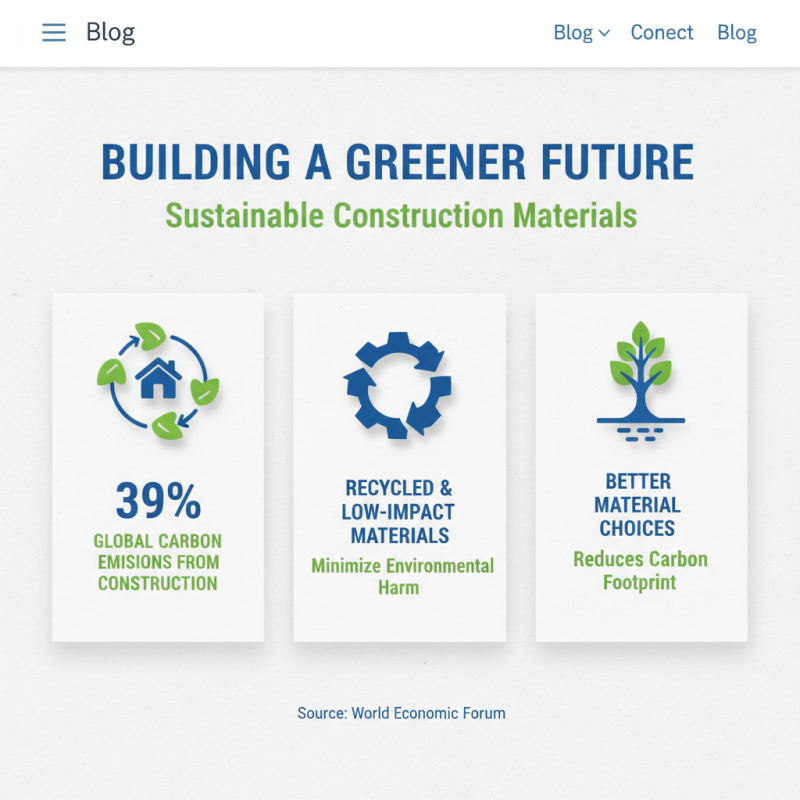
Sustainable construction increasingly relies on recycled and low-impact materials. Using these resources minimizes environmental harm. Reports from the World Economic Forum indicate that construction accounts for 39% of carbon emissions. This highlights the urgent need for better material choices.
Recycled materials, such as reclaimed wood and recycled metal, contribute to a circular economy. They reduce waste and the demand for virgin resources. The Environmental Protection Agency states that recycling can save 66 million tons of CO2 annually. Yet, not all recycled materials are created equal. Some processing methods may still be harmful to the environment.
Low-impact materials like bamboo and rammed earth are gaining attention. Bamboo grows quickly and sequesters significant carbon. However, sourcing must be sustainable to avoid deforestation. Rammed earth uses local soil and requires minimal energy. But it also demands skilled labor. As we explore sustainable living, balancing aesthetics, cost, and environmental impact remains challenging. Each decision carries weight in the quest for responsible building practices.
Smart Home Automation for Energy Management and Resource Optimization
Smart home automation plays a crucial role in energy management and resource optimization. A recent report from the International Energy Agency highlights that smart home technology can reduce energy consumption by up to 20%. This reduction significantly lowers utility bills while benefiting the environment. Many homes fail to utilize these technologies effectively, leaving energy savings untapped.
Energy-efficient appliances, smart thermostats, and automated lighting systems are now more accessible. For instance, smart thermostats can learn your patterns. They adjust heating and cooling, saving energy when it's not needed. The U.S. Department of Energy notes that these systems can save an average of $180 a year. Yet, only 10% of homeowners fully utilize them.
Resource optimization also includes water management systems, which many overlook. Smart irrigation systems can ensure gardens receive the right amount of water. This approach cuts down on waste and conserves local resources. However, many users forget to program or monitor these systems. As a result, they miss out on substantial savings and contribute to overuse. It’s essential to reflect on current practices and seek efficient technology integration for a sustainable future.
Conclusion
The article "Top Home Engineering Techniques for Sustainable Living Solutions" explores various innovative strategies that enhance sustainability in residential spaces. Key techniques include the adoption of energy-efficient systems such as solar panels, wind turbines, and geothermal technologies, which significantly reduce energy consumption. Additionally, implementing water conservation methods like rainwater harvesting and greywater recycling can help in managing water resources effectively.
Furthermore, the use of sustainable materials, specifically recycled and low-impact building resources, plays a crucial role in minimizing environmental impact. Home engineering also benefits from smart home automation systems that optimize energy management and resource use. Lastly, ensuring indoor air quality through natural ventilation techniques creates healthier living environments, ultimately contributing to a more sustainable lifestyle.