Top 10 Gate Valve Types You Need to Know About?
In the world of industrial valves, the Gate Valve holds significant importance. According to John Smith, a renowned gate valve industry expert, “Understanding the various types of gate valves is crucial for effective pipeline management.” This statement underscores the need for knowledge in making informed decisions about gate valves.
Gate valves serve essential functions in controlling fluid flow. They are often employed due to their ability to provide a straight-line flow with minimal obstruction. Different gate valve types are designed for various applications. Learning about these types can help enhance operational performance and efficiency.
However, many users overlook key details. For instance, not all gate valves are created equal; each type has specific characteristics suited to distinct environments. It is vital to assess these differences. This approach can prevent costly mistakes and ensure optimal valve performance in different scenarios. Understanding the complexities of gate valves allows for better decision-making in the field.
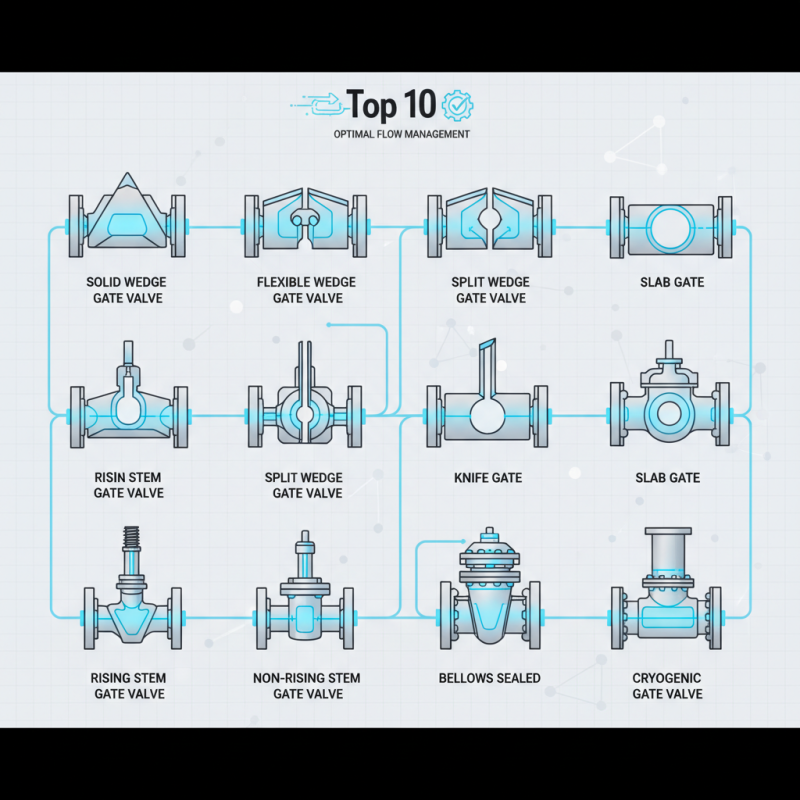
Types of Gate Valves: Overview of Key Variations in Design
Gate valves are crucial in controlling fluid flow in various industrial applications. Understanding the key variations in design is essential for engineers. There are several types of gate valves, each serving different needs. For example, the rising stem gate valve features a visible stem that moves up and down with the valve operation. This design allows easy visibility of the valve position, enhancing operational safety.
On the other hand, non-rising stem gate valves are ideal for applications with limited space. They have a compact design, with the stem operating within the valve body. According to a recent report by the Global Market Insights, the demand for gate valves is expected to grow significantly, with a projected increase of 5.4% annually through 2027. This growth reflects the evolving trends in the energy and water sectors. However, not all designs are perfect. Some gate valves may suffer from issues like leakage over time, requiring regular maintenance.
Another notable type is the wedge gate valve, recognized for its reliable sealing capabilities. However, operators must consider the potential for wear on the seat area. Ensuring proper material selection can mitigate this risk. Actuator-equipped gate valves offer automation convenience, yet complexity may pose challenges during installation. Each design variation presents distinct advantages and challenges, making knowledge of these options critical for informed decision-making in fluid management systems.
Comparison of Wedge Gate Valves and Parallel Gate Valves
Wedge gate valves and parallel gate valves each serve distinct purposes. Wedge gate valves have a V-shaped wedge that moves up and down to open or close the valve. This design creates a tight seal. Typically, they are used in high-pressure applications. According to engineering reports, wedge gate valves ensure a leak-proof shut-off in around 85% of industrial applications.
In contrast, parallel gate valves have two parallel discs. They offer better flow control with minimal turbulence. They are suitable for applications requiring frequent opening and closing. Studies show that parallel gate valves can reduce energy usage by an impressive 15% in fluid systems.
Tips: Consider the operational demands of your system. Wedge gate valves excel in high-pressure environments. On the other hand, parallel gate valves suit more fluid dynamic applications. Always assess the sealing needs. A poor choice may result in leaks or inefficiency. Even experienced engineers occasionally misinterpret application requirements, leading to costly mistakes. Reflect on your decisions carefully.
Material Selection in Gate Valves: Metals, Plastics, and Their Applications
When it comes to gate valves, material selection plays a critical role in their performance. Metals like stainless steel and cast iron are commonly used due to their durability and strength. Stainless steel is often chosen for its corrosion resistance, especially in chemical applications. However, it can be expensive, and not the best choice for all situations. Cast iron is a more affordable option, but it may not withstand extreme temperatures.
On the other hand, plastics are gaining traction in specific applications. PVC and CPVC pipes work well in low-pressure systems. They resist corrosion and are lightweight, making installation easier. Yet, they have limitations, particularly in high-temperature environments. Proper assessment of the application is key. Each material has its pros and cons, and the ideal choice depends on the working conditions.
Some industries still overlook the relevance of thorough material evaluation. This can result in premature valve failures and costly repairs. It's essential to reflect on the requirements of your specific system. Sometimes, an unexpected choice might be more suitable than the conventional options.
Operating Conditions and Pressure Ratings for Different Gate Valve Types
Gate valves are essential in managing fluid flow in various systems. Different types offer unique operating conditions and pressure ratings. Understanding these specifics is crucial for applications across industries.
The most common gate valve types include rising and non-rising stem designs. Rising stem valves are suitable for high-pressure applications, as they offer better visibility of the valve position. Non-rising types work well in spaces with height restrictions. Pressure ratings for these valves often range significantly, impacting their usage. For instance, standard gate valves handle around 150 to 600 psi efficiently. However, specialized designs may endure pressures exceeding 1,500 psi.
Materials also influence operating conditions. For high-temperature applications, stainless steel or brass is favored. These materials withstand thermal stress better than plastics. Yet, they can be pricier, posing budget constraints. In contrast, cheaper materials might not tolerate high pressure, which could lead to leaks or failures. Thus, the choice of gate valve must align with both operational needs and financial considerations.
Common Applications of Gate Valves in Industrial Settings and Their Significance
Gate valves play a critical role in many industrial applications. These valves control the flow of liquids and gases, offering low resistance when fully open. This feature makes them ideal for systems that require reliable shut-off and minimal pressure drop. They are commonly found in water supply, wastewater treatment, and oil and gas applications, where they ensure safe and efficient operation.
Industries often use gate valves in various settings. For example, in water treatment plants, they help regulate water flow effectively. However, gate valves are not always the best choice for throttling. They can cause turbulence and excessive wear. This can lead to potential leaks and failures over time. Maintenance is also crucial; without it, these valves can become stuck or damaged.
The significance of gate valves lies in their reliability and toughness. They can handle high pressures and temperatures, making them suitable for harsh environments. Yet, the choice of materials also matters. Corrosion-resistant materials are essential in some applications. Ignoring this can lead to costly repairs. Understanding these valves fully allows for better decision-making in industrial operations.