10 Tips for Choosing the Best Finishing Systems for Your Projects?
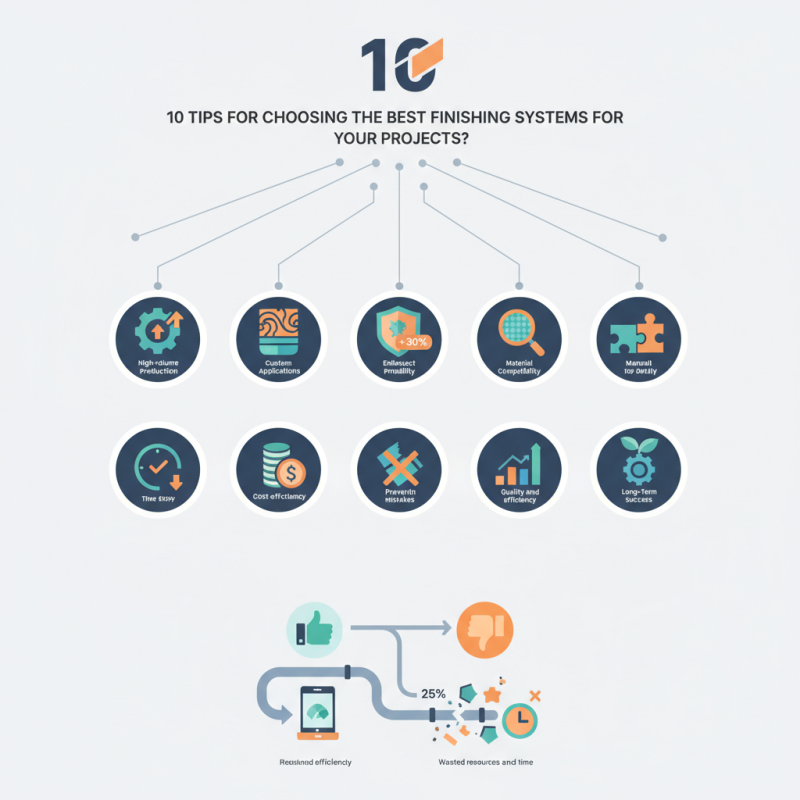
Selecting the right finishing systems for your projects can significantly impact the final outcome. Recent industry reports indicate that effective finishing solutions can enhance product durability by up to 30%. This makes the choice of finishing systems crucial for achieving quality and efficiency in any project.
To navigate this landscape, consider the unique requirements of your project. Not all finishing systems are created equal. For instance, certain systems are better suited for high-volume production, while others excel in custom applications. Understanding these nuances can prevent costly mistakes. In fact, 25% of projects fail due to improper system selection, leading to wasted resources and time.
The finishing process demands attention to detail. A slight misjudgment in materials can compromise the project's integrity. There’s much to learn from companies that have faced challenges in their finishing systems. They remind us that a well-thought-out choice can elevate a product, while a hasty decision can lead to disappointment. Addressing these concerns is essential for long-term success.
Understanding Different Types of Finishing Systems Available
When selecting a finishing system for your projects, it's crucial to understand the different types available. There are oil-based finishes, which offer durability and a rich color. They can sometimes take longer to dry. Water-based options are quicker to dry, often with less odor. However, achieving the same depth of color can be tricky.
Consider varnishes and lacquers, which provide a hard, glossy surface. These types can be challenging to apply evenly. An uneven finish can lead to visible brush marks. Penetrating oil finishes, on the other hand, soak into the wood. They present a more natural look but require more frequent reapplication.
Stains add color while leaving the grain visible. They can also be difficult to control. Too much stain can darken a project unexpectedly. It’s essential to test on scrap wood before committing. Every finishing system has its pros and cons. Each type might require a bit of a learning curve. Embrace the process, and you'll find the best option for your unique needs.
10 Tips for Choosing the Best Finishing Systems for Your Projects
| Finishing System Type |
Suitable Projects |
Application Method |
Finish Durability |
Cost Range |
| Water-based Paint |
Interior walls, furniture |
Brush, roller, spray |
Moderate |
$15 - $50 per gallon |
| Oil-based Paint |
Wood surfaces, trim |
Brush, spray |
High |
$20 - $60 per gallon |
| Stains and Sealers |
Decks, furniture |
Wipe, brush |
Variable |
$10 - $40 per quart |
| Lacquer Finishes |
Cabinets, furniture |
Spray |
Very High |
$30 - $70 per gallon |
| Epoxy Coatings |
Floors, industrial surfaces |
Roll, pour |
Extremely High |
$50 - $100 per gallon |
Key Factors to Consider When Choosing a Finishing System
When selecting a finishing system for your project, consider various key factors. The type of material you are working with plays a significant role. For example, wood finishes differ greatly from metal coatings. According to industry reports, about 40% of professionals report that the wrong choice leads to costly mistakes. Each material requires a unique approach to achieve durability and aesthetics.
Another crucial factor is the environmental impact of your finishing system. Many industries are moving towards eco-friendly options. Over 70% of consumers prefer sustainable products. This preference influences market trends and dictates choices. However, eco-friendly doesn’t always mean high performance. Some options may lack the durability seen in traditional finishes. This inconsistency can lead to subpar results.
Application method is also essential. Spray, brush, or roller techniques yield different results. Data from industry surveys show that nearly 30% of users are dissatisfied with their application method. This dissatisfaction often stems from a lack of knowledge about best practices. Often, users assume that they can self-educate, which sometimes leads to poor results. In many cases, seeking expert advice proves invaluable in achieving the desired outcome.
Key Factors to Consider When Choosing a Finishing System
Evaluating Project Requirements and Their Impact on Finishing Systems
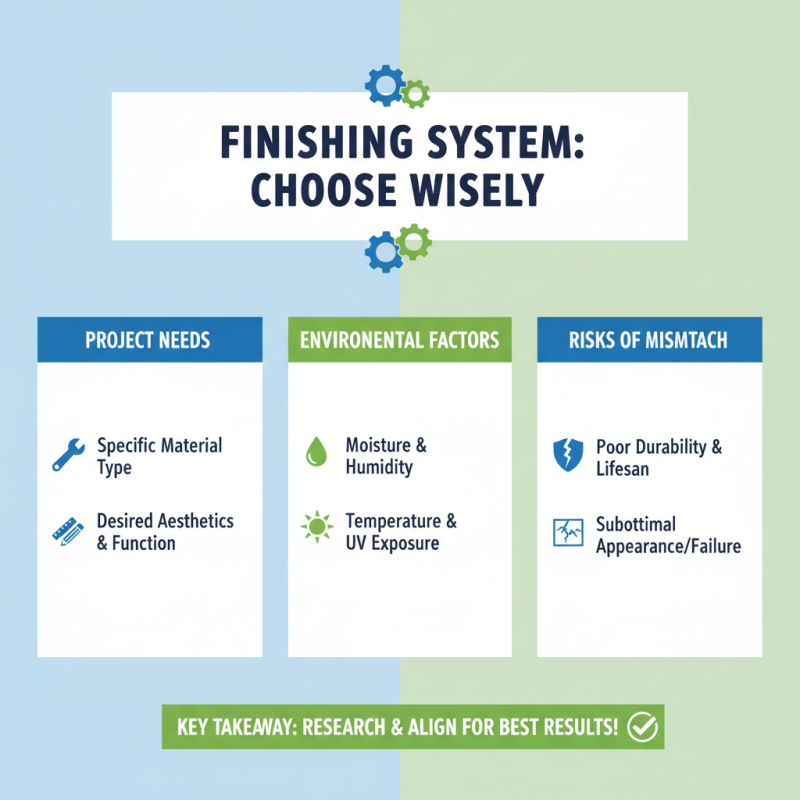
When evaluating project requirements, consider the specific needs and goals of your project. Analyze the materials involved and their interactions with various finishing systems. For instance, wood, metal, and concrete have different finishing needs. Ignoring these details can lead to poor results and wasted resources. What looks good today may not hold up over time.
Next, think about the environment where the finished product will be used. Will it be indoors or outdoors? Is it exposed to moisture or chemicals? These aspects heavily influence the choice of finishing systems. A durable finish might be ideal, but it could be costly. Sometimes, a less expensive option might perform just as well in certain conditions. It's crucial to balance quality and budget.
Don't forget to consider the application method. Some finishes require special tools or skills. This might complicate the project if your team lacks experience. Additionally, timelines can impact your choice. Some finishes need longer drying times, which could delay the project completion. Reflecting on these factors will lead to more informed decisions.
Common Mistakes to Avoid in Finishing System Selection
Choosing the right finishing system can be daunting. Many overlook the importance of understanding their project’s specific needs. Mismatched finishes can lead to poor results. Consider the environment where the finish will be applied. For example, moisture levels can impact durability.
Many people rush into decisions. They often neglect to test samples. Testing can reveal how different finishes react to light, wear, and time. It’s essential to avoid common mistakes, like disregarding the application method. A spray, brush, or roller can all yield different outcomes.
Research is crucial before making a choice. Don’t limit yourself to one type of finish. Explore options like stains, paints, or varnishes to see what fits best. Take time to plan. Ensure that you select the finish that complements your design vision. Avoiding these mistakes can lead to a smoother finishing process.
Assessing Cost vs. Quality in Finishing Solutions for Projects
When considering finishing solutions, it’s crucial to weigh cost against quality. High-quality finishes often come with a higher price tag. However, investing more initially can lead to lasting results. A durable finish means fewer touch-ups in the long run. Low-cost options might save money upfront, but may require more frequent replacements.
Evaluate your project requirements carefully. Some finishes are better suited for specific environments. For instance, outdoor projects need weather-resistant materials. Indoor finishes should prioritize aesthetics and durability. Take the time to research different solutions. Don’t rush the decision. Sometimes, pausing to reflect can lead to better choices.
Consider blending your choices. Mixing high-quality finishes with affordable ones can provide great results without overspending. For example, you might choose a premium finish for visible areas and a more economical option where it's less noticeable. This approach can balance cost and quality effectively. Remember, finding the right finishing system is often a process of trial and error. Don’t hesitate to learn from past experiences.