How to Start a Career in Automation Engineering in 2026?
In 2026, the field of automation engineering is expected to undergo significant changes. As industries expand, the demand for skilled professionals will increase. Dr. Emma Johnson, a leading expert in automation engineering, emphasizes, "The future of automation will rely on innovative minds who aren't afraid to tackle complex challenges."
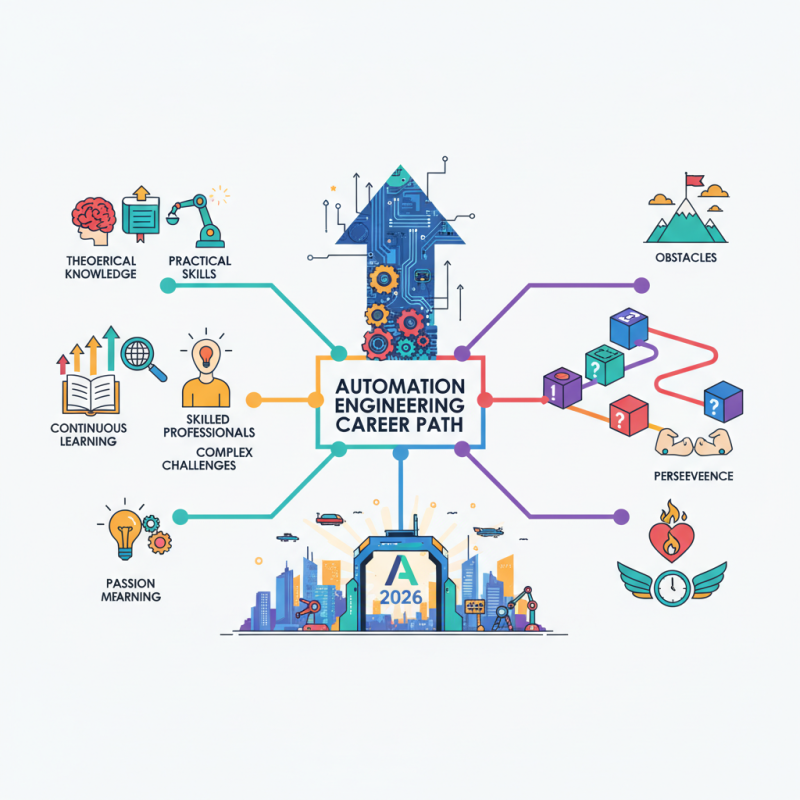
Aspiring individuals must recognize the importance of practical skills and theoretical knowledge in automation engineering. Employers seek candidates who can handle real-world applications. This balance is crucial and often overlooked. Continuous learning will be essential as technology evolves rapidly, and staying ahead will separate successful candidates from others.
Many may find the journey overwhelming. The path is not always clear, and obstacles can be daunting. It's easy to feel discouraged when faced with tough competition and fast-moving advancements. However, embracing these challenges is part of growth. Passion and perseverance will be key drivers on this journey in automation engineering.
Understanding the Role of an Automation Engineer in 2026
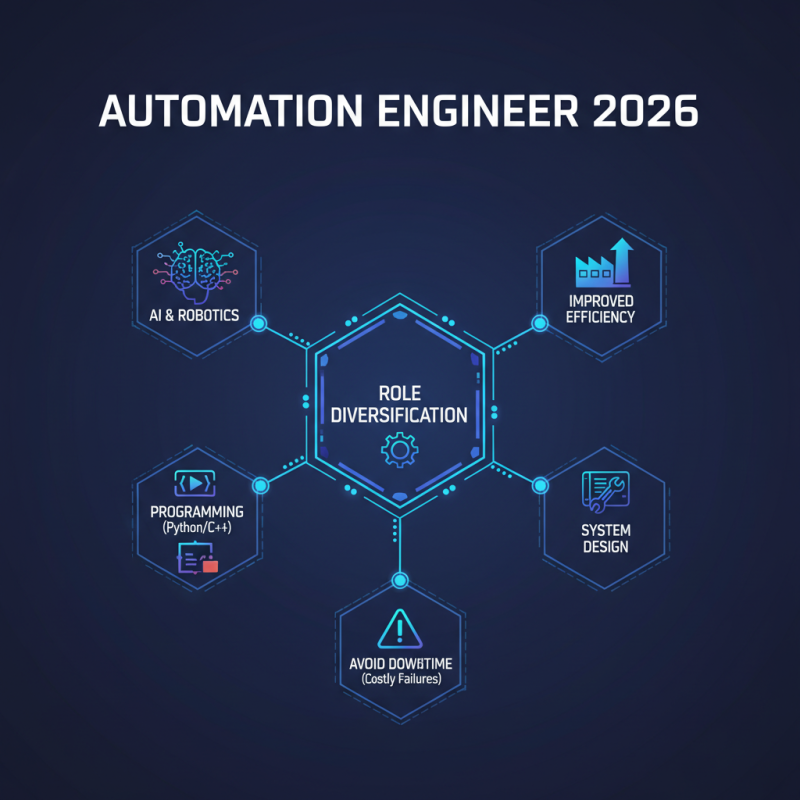
In 2026, the role of an automation engineer has become increasingly diverse. These professionals design and develop automated systems to improve efficiency in various industries. They often work with advanced technologies like artificial intelligence and robotics. An understanding of programming languages, such as Python or C++, is crucial. These skills enable engineers to create algorithms for automation tasks. They must also have a strong foundation in system design, as failures can lead to costly downtimes.
Collaboration is key in this field. Automation engineers often work with cross-functional teams, including software developers and product managers. Miscommunication can hinder project progress. It’s important to establish clear channels of communication. Additionally, engineers must adapt to rapidly changing technologies. Continuous learning is essential, as outdated skills can lead to obsolescence in this fast-paced environment. An automation engineer's journey may also include setbacks, such as project failures or unexpected complications. Reflecting on these experiences can foster resilience and improvement in future projects.
Problem-solving is a daily aspect of the job. Automation engineers must analyze complex systems and identify areas for improvement. Each obstacle presents a chance to refine skills. They might encounter issues like software bugs or hardware malfunctions. Learning from these challenges enhances their expertise. The role is multifaceted, requiring a balance between technical knowledge and practical application. An adaptable mindset is invaluable in navigating the demands of the automation engineering landscape.
Key Skills and Qualifications Required for Automation Engineering
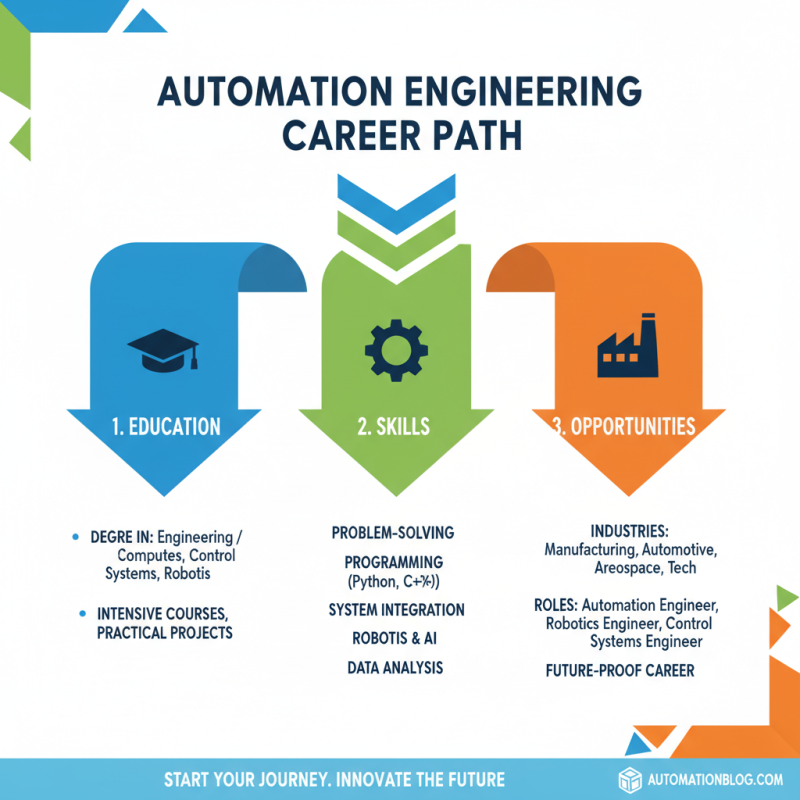
Automation engineering is a rapidly growing field. To start a career in this area, certain skills and qualifications are essential. A solid foundation in programming languages like Python and Java can be crucial for aspiring engineers. Knowledge of control systems, electronics, and mechanics is equally important. Students often struggle with these concepts. Understanding them through practical projects can help bridge the gap.
In addition to technical skills, soft skills are vital. Teamwork and communication play significant roles in project success. Engineers often face challenges when collaborating. Learning to express ideas clearly is crucial. Problem-solving skills are also necessary. Automation engineers frequently encounter unexpected issues. Approaching these with a logical mindset can lead to effective solutions.
Pursuing relevant certifications can enhance job prospects. Many employers value practical experience over formal education. Internships provide invaluable hands-on experience. Aspiring engineers should seek opportunities to experiment. Building a portfolio of completed projects can showcase skills. These factors contribute to a successful career start in automation engineering.
How to Start a Career in Automation Engineering in 2026? - Key Skills and Qualifications Required for Automation Engineering
| Skill/Qualification |
Description |
Importance Level |
| Programming Languages |
Proficiency in languages like Python, C++, or Java. |
High |
| Understanding of Control Systems |
Knowledge of PID controllers, PLCs, and SCADA systems. |
High |
| Automation Tools |
Familiarity with tools like Robot Framework, Ansible, or Selenium. |
Medium |
| Problem Solving Skills |
Ability to troubleshoot and resolve complex issues efficiently. |
High |
| Knowledge of IoT |
Understanding of Internet of Things technologies applied in automation. |
Medium |
| Project Management Skills |
Ability to manage and lead engineering projects effectively. |
Medium |
| Continuous Learning |
Commitment to keeping up with industry trends and technologies. |
High |
Gaining Practical Experience in Automation Engineering Through Internships
Gaining practical experience through internships is crucial for aspiring automation engineers. A recent report indicated that 65% of employers prefer candidates with hands-on experience in their resumes. Internships can provide that necessary exposure. They allow students to apply theoretical knowledge in real-world settings.
During internships, you might face challenges. Projects may not always go as planned. Sometimes, technologies fail or deadlines loom large. It's essential to navigate these obstacles effectively. Learning to troubleshoot and adapt is part of the journey. Companies value problem-solving skills and a proactive attitude.
Moreover, the automation sector is growing rapidly. According to industry forecasts, job openings for automation engineers are expected to increase by 25% by 2027. This demand means that gaining experience through internships gives you a competitive edge. Those who engage in internships typically secure jobs faster. Make the most of your internship experience. Embrace every task, seek advice, and network actively. This journey will shape your future in automation engineering.
Networking and Professional Development Opportunities in Automation Field
Networking is essential in the automation engineering field. Attending industry conferences can provide valuable connections. Meeting professionals directly can lead to mentorship opportunities. Engaging with peers fosters a supportive community. Consider joining local tech meetups or forums. These events allow for sharing experiences and challenges.
Online platforms also play a crucial role. Participating in webinars can enhance your knowledge. Engaging in discussions on social media can build your network. Don’t hesitate to reach out to industry leaders. They often appreciate curiosity and enthusiasm. Be prepared for rejection, as not every contact will respond.
Professional development should include continuous learning. Enroll in specialized courses or certifications to advance your skills. Experiment with different automation tools in personal projects. This hands-on experience can set you apart. Reflect on your progress and areas for improvement over time. Be open to feedback and adapt your approach as needed.
Automation Engineering Career Growth Opportunities in 2026