What is Nichrome Flat Wire and Its Best Applications?
Nichrome Flat Wire is a vital material in various industrial applications. It is an alloy primarily composed of nickel and chromium. These elements give it excellent resistance to oxidation and heat. According to a market research report, the nichrome wire market is projected to grow significantly in the coming years. This growth is attributed to its widespread use in heating elements and resistance wires.
The unique properties of Nichrome Flat Wire make it ideal for high-temperature applications. Industries utilize it in applications such as electrical heating, thermocouples, and appliances. The wire can withstand temperatures exceeding 1,200 degrees Celsius. With increasing demand for reliable heating solutions, it’s crucial to understand the best uses for Nichrome Flat Wire.
However, while it excels in many areas, it's essential not to overlook its limitations. Nichrome may not be suitable for all circumstances, especially in environments with high mechanical stress. Balancing its benefits and drawbacks is vital for optimal performance. Proper knowledge ensures the effective use of Nichrome Flat Wire in suitable applications.
What is Nichrome Flat Wire?
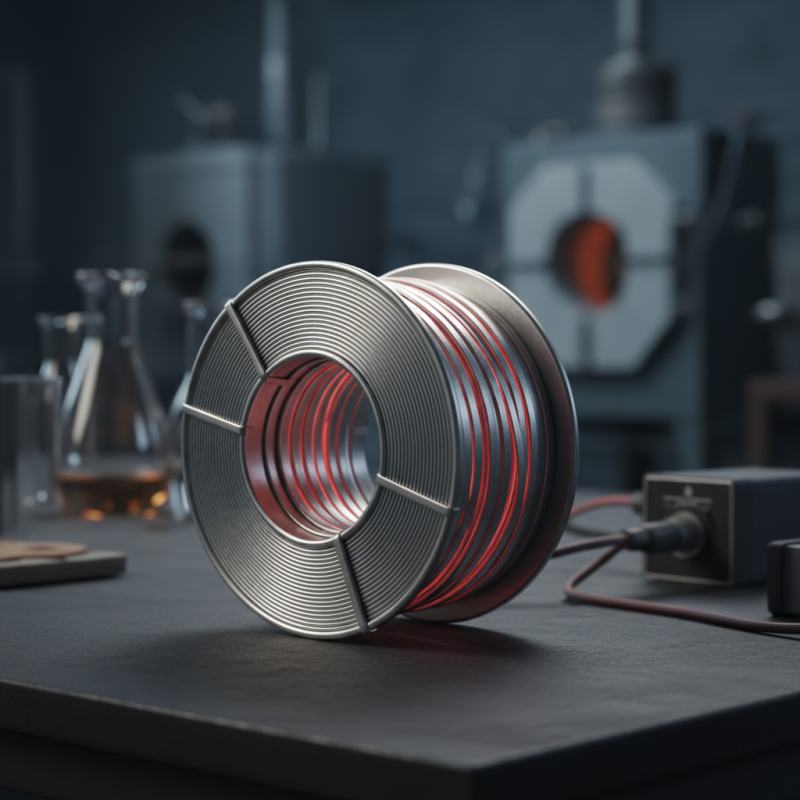
Nichrome flat wire is an alloy made from nickel and chromium, renowned for its high resistance to oxidation and heat. This combination of metals gives nichrome its unique properties. It can withstand high temperatures, making it suitable for various industrial applications. The electrical resistance of nichrome flat wire is stable even when exposed to fluctuations in temperature.
Industry reports indicate that nichrome flat wire is often used in heating elements, including toasters and electric heaters. In these appliances, the wire generates heat efficiently and uniformly. This ability to maintain performance under extreme conditions is crucial for user safety and product longevity. According to data, the nichrome wire market is expected to grow by approximately 5% annually, driven by advancements in heating technologies.
However, nichrome flat wire is not without its flaws. Some users have reported issues with wire brittleness under certain conditions. This can lead to failure in heating components. Additionally, the cost of raw materials for nichrome can fluctuate, affecting overall production costs. Yet, its reliable performance often outweighs these drawbacks for many manufacturers.
Properties and Characteristics of Nichrome Flat Wire
Nichrome flat wire is a vital material in various industrial applications. It is primarily composed of nickel and chromium, which gives it unique properties. The wire is known for its excellent resistance to oxidation and high temperatures. This makes it suitable for heating elements in electric furnaces, toasters, and hair dryers.
One of the key characteristics of nichrome flat wire is its durability. It can withstand extreme temperatures without losing its structural integrity. This durability is particularly important in applications where reliability is crucial. However, some users may find its higher cost to be a detractor.
Another notable property is its resistance to corrosion. Nichrome flat wire does not easily rust, making it a preferred choice in corrosive environments. Additionally, it maintains a consistent resistance regardless of temperature changes. This stability provides precise control in electrical applications. Despite these advantages, selecting the proper gauge and form is essential for optimal performance. Each application may require different specifications, which can complicate the design process.
Common Applications of Nichrome Flat Wire
Nichrome flat wire is a unique alloy, widely recognized for its high resistance to oxidation and exceptional heat retention. These properties make it ideal for various applications in industries that demand durability and reliability. One notable use of nichrome flat wire is in heating elements. These wires can be found in toasters, heat guns, and industrial heaters. Their ability to withstand high temperatures ensures prolonged service life, reducing the need for frequent replacements.
Another significant application of nichrome flat wire is in resistance welding. The wire's capability to endure intense heat and pressure makes it suitable for welding various materials. It is common in automotive manufacturing and metal fabrication industries. Despite its advantages, users must consider the specific requirements of their projects. Some may find the wire challenging to work with due to its toughness and durability, which can require specialized knowledge and equipment.
Nichrome flat wire is also used in medical devices, particularly in surgical applications. The precision and reliability it offers are key in sensitive environments. However, the cost of nichrome can be a concern for small-scale projects, leading to careful budgeting and planning. Addressing these factors allows for its effective use in diverse fields.
What is Nichrome Flat Wire and Its Best Applications? - Common Applications of Nichrome Flat Wire
| Application Area | Description | Benefits |
| Heating Elements | Used in toasters, hair dryers, and industrial heaters. | High resistance and heat tolerance for efficient heating. |
| Temperature Sensors | Utilized in thermocouples for accurate temperature measurement. | Stable and reliable under varying temperatures. |
| Resistive Heating | In electric ovens, grills, and soldering apparatus. | Effective energy transfer and uniform heating. |
| Industrial Applications | Used in metal processing and heat treating industries. | Durable and able to withstand high temperatures. |
| Aerospace | Applied in specific aerospace components that require resilience. | Critical performance in extreme environments. |
Advantages of Using Nichrome Flat Wire in Electrical Heaters
Nichrome flat wire is a popular choice in electrical heating applications due to its unique properties. It is an alloy of nickel and chromium, offering excellent resistance to oxidation at high temperatures. This makes it ideal for heating elements in various devices. The material can withstand intense heat without degrading, giving it a long lifespan.
One major advantage of nichrome flat wire is its efficient heat generation. The wire heats up quickly, allowing for rapid responses in temperature control. This efficiency is essential in applications like toasters or industrial ovens, where precise heating is crucial. Additionally, the flat geometry of nichrome provides a larger surface area. This results in even heat distribution, preventing hot spots that could damage appliances or create safety hazards.
Despite these benefits, users should consider potential challenges. The brittleness of nichrome flat wire can lead to breakage if not handled properly. Installation requires skilled labor to ensure safety and performance. Misunderstanding its properties can lead to inefficient use in certain conditions. Nonetheless, when utilized correctly, nichrome flat wire is a reliable choice for heating applications. It combines durability with effective performance, making it a favored material in the industry.
Comparative Analysis with Other Heating Elements
Nichrome flat wire stands out in heating applications. Its unique properties, compared to other heating elements like copper or aluminum, play a crucial role. Unlike these metals, nichrome has higher resistance and can withstand intense heat. This makes it ideal for various applications, including toasters and electric kilns.
When comparing nichrome with other materials, durability is a key advantage. Nichrome resists oxidation and degradation, ensuring a longer lifespan. In contrast, copper can corrode over time when exposed to high temperatures. Therefore, for high-temperature settings, nichrome is often the better choice.
Tip: Always consider your specific heating needs. If you're looking for reliable performance in harsh conditions, nichrome is a strong candidate. Be cautious, though. Using the wrong wire can lead to inefficiencies or even equipment failures.
Another important aspect is the wire gauge. The thickness of nichrome wire affects its resistance and heating characteristics. Choosing the right gauge ensures optimal performance. Miscalculations here can cause uneven heating or excess energy consumption.
Tip: Test different wire gauges to find the best match for your project. Take notes on their performance, as this will help refine your choices.