Intelligent Forklifts in China at 2026 Canton Fair What to Expect?
At the 2026 Canton Fair, the spotlight will be on Intelligent Forklifts-Chinese, showcasing advanced automation in material handling. This event, running from April 15 to May 5, promises to highlight cutting-edge technology in various sectors. Intelligent forklifts, equipped with AI, will revolutionize warehouse operations, enhancing efficiency and safety.
The introduction of AI-powered search and navigation at the fair will enable buyers to connect with certified suppliers swiftly. This innovation will guide attendees through the massive exhibition space of 1.55 million square meters. As companies explore intelligent forklifts, they must be mindful of their integration challenges and employee training needs.
Despite the technological advancements, some users may face difficulties adapting to the new systems. The learning curve can be steep, and support will be essential. Observing the showcase at the Canton Fair might spark valuable insights, but careful evaluation of implementation strategies is necessary for success.
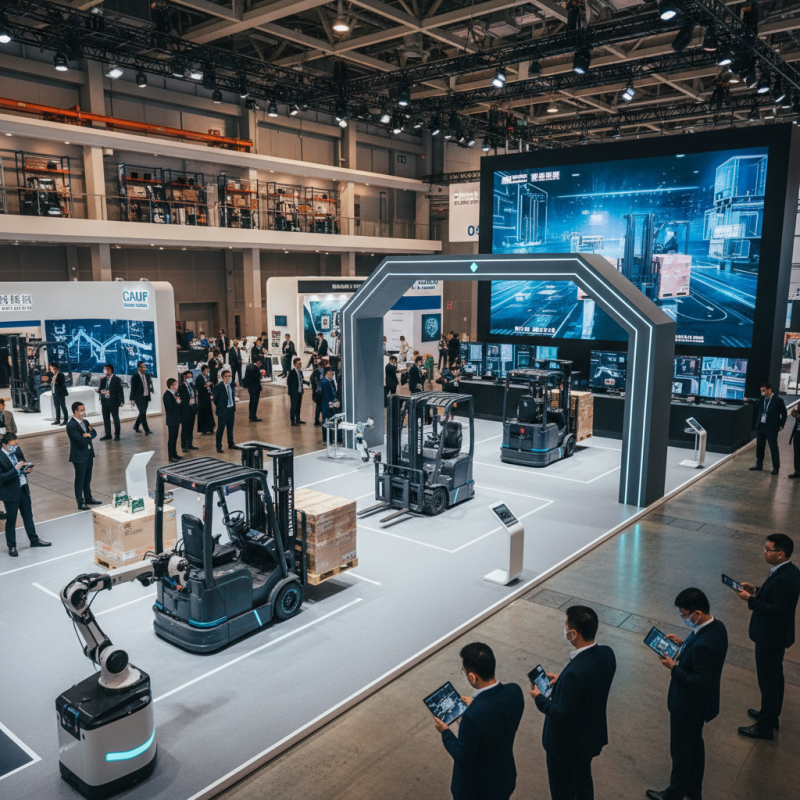
Overview of Intelligent Forklifts at the 2026 Canton Fair
The 2026 Canton Fair will showcase advanced intelligent forklifts. These machines are designed to enhance efficiency in logistics and warehousing. Visitors can expect to see various models equipped with cutting-edge sensors and AI technology. These innovations streamline operations and minimize human error.
One notable feature is automated navigation. Forklifts can maneuver through busy environments with ease. However, challenges remain. Not all models handle congested spaces well. Some may struggle with unexpected obstacles, leading to potential delays.
The fair will also highlight smart connectivity. Forklifts can communicate with other devices in the supply chain. This connectivity boosts productivity but might raise data security concerns. Attendees will need to reflect on how these technologies can be safely implemented. Such discussions are crucial as the industry moves forward.
Key Technologies Driving Intelligent Forklift Development in China
The 2026 Canton Fair will showcase a leap in intelligent forklift technology in China. One significant area of development is automation. Many forklifts will feature advanced sensors and cameras. These devices help in navigating warehouses with precision. Improved algorithms will enhance object recognition, allowing for safer operations. However, challenges still exist in varied environments.
Another key technology is artificial intelligence. Smart forklifts will utilize AI for predictive maintenance. This technology can forecast breakdowns before they happen, reducing downtime. Nonetheless, integrating AI can be complex. Companies must train their staff to understand AI insights. Not every workforce is ready for this shift.
Battery technology is also evolving. Lithium-ion batteries enable longer operation times and faster charging. This shift contributes to sustainability goals within the industry. Yet, these innovations can be costly. The initial investment might deter smaller businesses. Balancing cost with cutting-edge technology will be a crucial debate at the fair.
Intelligent Forklifts in China at 2026 Canton Fair What to Expect? - Key Technologies Driving Intelligent Forklift Development in China
| Technology Dimension | Description | Expected Impact |
| Autonomous Navigation | Utilizes LIDAR and computer vision for obstacle detection and navigation. | Increased efficiency and safety in warehouse operations. |
| Telematics | Remote monitoring of forklift performance and diagnostics. | Improved maintenance scheduling and reduced downtime. |
| Battery Management Systems | Advanced systems for monitoring battery health and usage. | Increased battery lifespan and efficiency. |
| AI and Machine Learning | Algorithms that optimize picking routes and warehouse organization. | Enhanced operational effectiveness and reduced labor costs. |
| Safety Features | Includes sensors and cameras designed to prevent accidents. | Higher safety standards in warehouse environments. |
Market Trends Impacting the Adoption of Intelligent Forklifts
The rise of intelligent forklifts is shaping the logistics landscape in China. Market reports indicate that automation in material handling may reach a value of USD 21 billion by 2026. This growth is fueled by labor shortages and the need for efficiency. As companies aim for faster operations, intelligent forklifts are becoming critical assets.
China’s manufacturing sector is adapting to digital transformations. Intelligent forklifts contribute to this shift by incorporating AI and IoT technologies. These forklifts can reduce operational costs by 25%. However, the initial investment remains a challenge. Many companies hesitate to switch due to high upfront costs.
Current trends show that over 57% of logistics firms plan to implement automated solutions. Yet, awareness of potential drawbacks is essential. Integration issues and workforce training needs can hinder successful adoption. Companies must weigh the benefits against these risks, emphasizing the importance of a well-planned implementation strategy.
Market Trends Impacting the Adoption of Intelligent Forklifts
The chart above illustrates the projected adoption rate of intelligent forklifts in China from 2022 to 2026, showing a steady increase as the market embraces automation and advanced logistics technology.
Integration of AI and Automation in Forklift Operations
The integration of AI and automation in forklift operations is transforming the logistics landscape in China. At the 2026 Canton Fair, attendees can expect to see advanced technologies at work. Intelligent forklifts equipped with sensors and machine learning will enhance efficiency. These machines analyze their surroundings and optimize routes in real time.
Imagine forklifts that can communicate with each other. They will share data and adjust operations instantly to avoid collisions. This type of integration promises improved safety in busy warehouse environments. However, it raises concerns about job displacement. Workforce training becomes crucial in adapting to these advancements. Workers need skills in managing and maintaining these intelligent systems.
While the benefits are clear, there are challenges. Not all businesses can afford these advanced technologies. Smaller companies may struggle to keep up. Reflection on these disparities is essential. The future of logistics will require a balance between innovation and accessibility. Adaptation to AI-driven operations needs careful consideration of the entire industry.
Future Prospects for Intelligent Forklifts in the Logistics Industry
The logistics industry in China is rapidly evolving. Intelligent forklifts are at the forefront of this change. A recent report from a leading industry analysis firm noted that the market for intelligent forklifts could reach $15 billion by 2026. This growth is driven by automation and advancements in AI technology. Companies are now seeking ways to reduce labor costs and increase efficiency. Intelligent forklifts can navigate warehouses autonomously. They reduce human error and improve safety.
Tips: When considering intelligent forklifts, assess your warehouse layout. A tailored solution can greatly enhance performance. Regular maintenance is also essential to ensure longevity.
Despite the positive outlook, challenges persist. Integration with existing systems can be complex. Training staff to operate these machines requires time and resources. Data security is another concern as more devices connect to the internet. Companies must address these issues while embracing innovation. Balancing technology with human oversight remains crucial.
The logistical landscape is transforming. Intelligent forklifts are key to this transition. The 2026 Canton Fair will showcase new innovations, reflecting these trends. Keeping an eye on market developments is vital for companies looking to stay competitive.