Industrial engineering is at the forefront of transforming the future of work. Reports indicate that the industry is projected to grow by 9% over the next decade. This growth stems from advancements in automation and data analytics. As organizations strive for efficiency, industrial engineering plays a pivotal role in optimizing processes and systems.
According to Dr. Sarah Thompson, an expert in industrial engineering, “The convergence of technology and human factors is reshaping our work environments.” This perspective highlights an essential trend; companies must adapt to new tools that enhance productivity. However, the rapid pace of change can create challenges. Workforce adaptability is crucial yet often overlooked.
As we explore the top trends in industrial engineering, we must confront the gaps in skills and knowledge. Businesses may invest in new technologies but still face resistance from employees. Continuous learning and flexibility are vital to overcoming these hurdles. Embracing these trends is not just a choice; it is necessary for long-term success in industrial engineering.
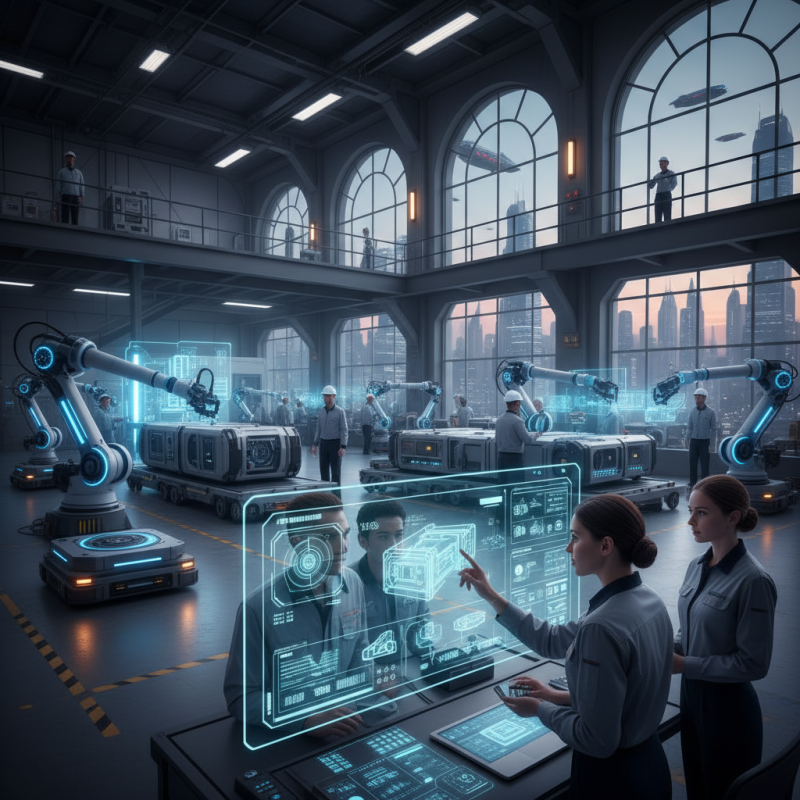
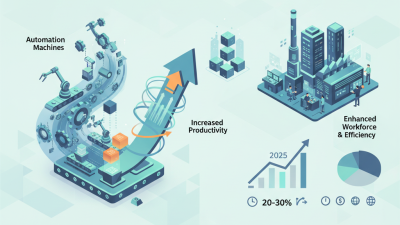
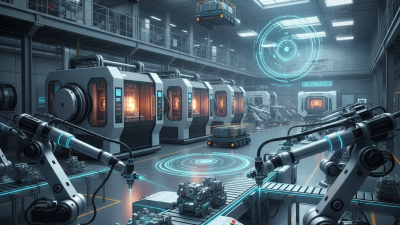
Smart manufacturing and automation techniques are revolutionizing industries worldwide. By 2025, the global smart manufacturing market is projected to reach over $400 billion. This surge reflects a shift toward efficiency and technology integration. Factories are increasingly adopting automation to streamline processes. Robots now perform tasks that once required human labor. These machines work tirelessly and with greater precision.
However, reliance on automation poses challenges. Job displacement is a significant concern. An estimated 20 million manufacturing jobs could be lost due to automation by 2030. Companies must navigate the balance between technology and workforce. Employees face a need for reskilling. They need training to work alongside machines.
Data from industry reports show a 30% increase in productivity where automation is used effectively. Yet, not all sectors benefit equally. Smaller companies often struggle to implement smart manufacturing solutions. High upfront costs and lack of expertise hinder their progress. Thus, the path to automation is uneven. It invites reflection on how to ensure all companies can thrive in this evolving landscape.
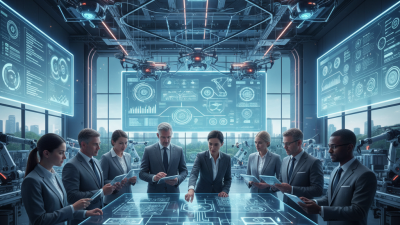
Integration of advanced data analytics in industrial processes is transforming how businesses operate. This shift enables organizations to make better decisions. Data analytics helps identify patterns and trends in real time. It can uncover inefficiencies that traditional methods often miss. Managers can use these insights to optimize operations and reduce costs.
However, reliance on data analytics is not without challenges. Data quality issues frequently arise. Not all data is accurate or relevant. This can lead to misguided actions based on faulty conclusions. Implementing analytics requires skilled personnel who understand the data landscape. The workforce must adapt to these technological changes. Training and development programs are essential for success.
Moreover, the speed of data processing can overwhelm teams. Quick decisions based on data must still be strategic. Balancing intuition and data-driven insights is crucial. Understanding the context behind the numbers can prevent misinterpretations. Businesses must remain vigilant in monitoring their analytical tools and the results they produce.
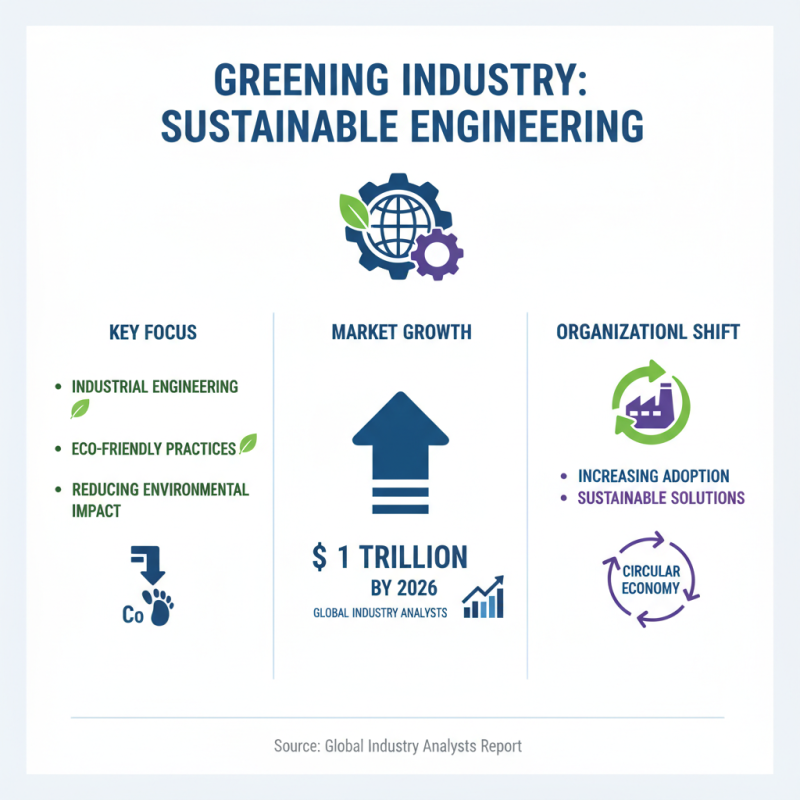
Sustainability is a key focus in industrial engineering. Organizations are increasingly adopting eco-friendly practices. According to a recent report by the Global Industry Analysts, the market for sustainable engineering solutions is projected to reach $1 trillion by 2026. This shift reflects the growing importance of reducing environmental impact.
Many companies face challenges in integrating these practices effectively. Research from the Institute of Industrial Engineers suggests over 40% of firms struggle with sustainable supply chain management. Implementing sustainable practices can lead to cost reductions and better resource management. Yet, the initial investments can be a barrier.
Innovations in renewable materials and energy-efficient processes are emerging. For instance, circular economy models promote recycling and reuse. These models can reduce waste significantly. However, adapting to such changes requires time and workforce retraining. The journey toward sustainability in industrial engineering is complex and ongoing. The industry must continue to find balance and improve practices for a greener future.
The integration of artificial intelligence (AI) in workplaces is transforming decision-making processes. AI applications analyze vast amounts of data quickly. They identify trends that humans might overlook. For instance, AI can predict consumer behavior based on historical data. This allows companies to make informed decisions swiftly. However, this reliance also raises concerns about data privacy.
AI's influence on human judgment is complex. Employees may find themselves depending heavily on AI recommendations. Some may question their own expertise when making decisions. This shift can foster a culture of doubt. Decision-making should remain a human-centered process. Balancing AI insights with human intuition is crucial. It ensures that creativity and critical thinking are not lost.
Moreover, AI can lead to information overload. Employees face too many data points to consider. This can make decision-making seem overwhelming. A clear strategy is needed to integrate AI insights effectively. Training employees to interpret AI recommendations is vital. They must learn to weigh AI data against their own knowledge. This creates a more collaborative environment, where humans and AI work together.
| Trend | Description | Impact of AI on Decision-Making |
|---|---|---|
| Automation and Robotics | Increased use of robots in manufacturing processes. | AI enhances decision-making by optimizing workflows. |
| Data Analytics | Leveraging big data to improve operational efficiency. | AI tools analyze vast datasets to inform key decisions. |
| Sustainability Initiatives | Focus on reducing carbon footprint in manufacturing. | AI supports environmental impact assessments. |
| Remote Work Technologies | Tools enabling remote collaboration and management. | AI facilitates decision-making in virtual teams. |
| Lean Manufacturing | Enhancing efficiency by reducing waste. | AI identifies waste patterns for better resource allocation. |
| User-Centered Design | Focus on user experience in product development. | AI helps analyze user feedback for design improvement. |
| Cybersecurity Measures | Advancing security protocols to protect data. | AI detects anomalies to prevent cyber threats. |
| Supply Chain Optimization | Improving logistics and inventory management. | AI predicts demand to enhance supply chain responsiveness. |
| Cross-Disciplinary Collaboration | Encouraging teamwork across various fields. | AI assists in aligning goals among different teams. |
| Continuous Learning Culture | Promoting ongoing education and skill development. | AI personalizes learning paths based on employee needs. |
The shift towards remote work is reshaping industrial systems significantly. As per recent reports, around 70% of professionals now work remotely at least once a week. This new norm fosters flexibility but also challenges traditional workflows. Teams are adapting, yet some struggle with communication and collaboration. Isolation can diminish team cohesion and productivity.
Many organizations face difficulties in monitoring project progress without in-person oversight. Data from a leading industry report indicates that 60% of remote workers feel disconnected from their teams. This disconnect can lead to delays in decision-making and project execution. Companies must address these issues to thrive in a remote-working environment. Embracing technology is vital, but it also brings forth concerns over data security and employee burnout.
Additionally, industrial engineering practices must evolve. Optimizing supply chains becomes more complex with remote teams. Remote work can create bottlenecks, especially in manufacturing sectors. Adjusting processes and investing in collaboration tools are not just options; they are necessities. Reflecting on these challenges is essential as businesses seek to create efficient remote work frameworks.