Why Process Engineering Is Essential for Modern Manufacturing?
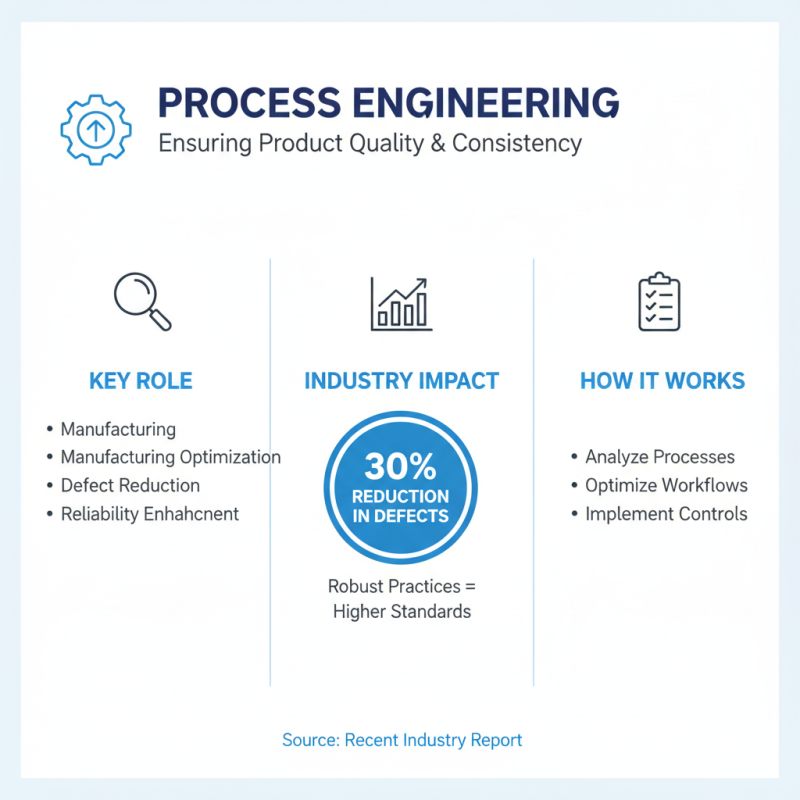
Process engineering plays a critical role in modern manufacturing. It focuses on optimizing production processes to enhance efficiency and reduce costs. Effective process engineering ensures companies can adapt to changing demands and market conditions. Manufacturers must embrace this discipline to stay competitive.
The heart of process engineering lies in understanding the entire production cycle. This includes material sourcing, workflow optimization, and quality control mechanisms. Engineers analyze every step, seeking improvements. They identify bottlenecks and propose solutions. However, challenges remain, such as integrating new technologies and training staff.
In many cases, companies struggle to implement changes. Resistance to process improvement can hinder progress. Emphasizing collaboration among teams is vital to overcoming such hurdles. Ultimately, successful process engineering enables manufacturers to innovate and deliver high-quality products. It is not just an option; it is essential for survival in the fast-paced manufacturing landscape.
The Role of Process Engineering in Enhancing Manufacturing Efficiency
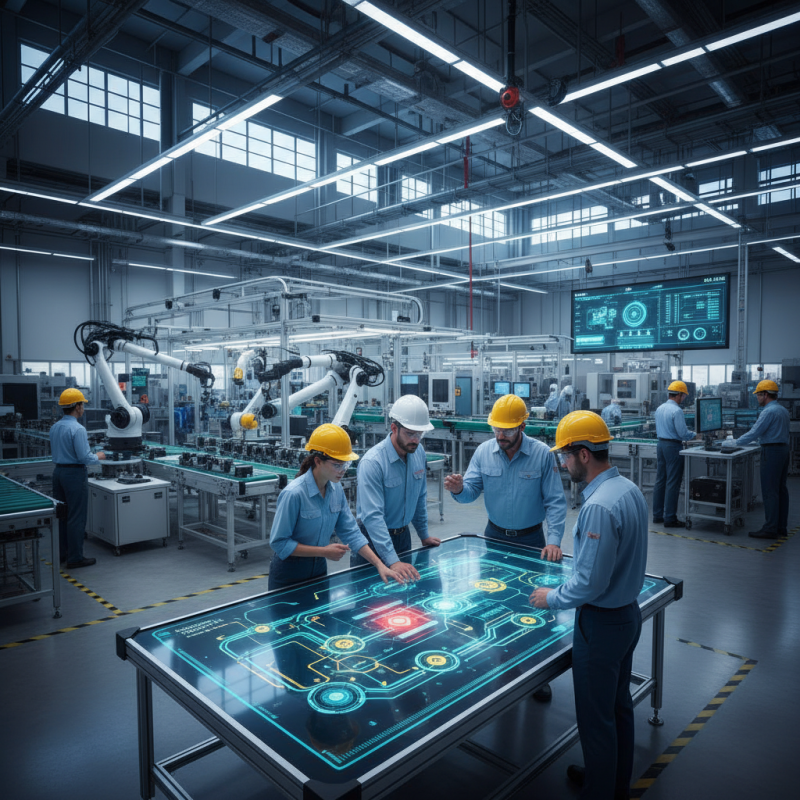
Process engineering plays a crucial role in modern manufacturing. It focuses on optimizing production processes to enhance efficiency. With well-defined processes, manufacturers can reduce waste and improve output quality. For example, a streamlined assembly line can result in faster production times. This efficiency is vital in a competitive market.
In practice, the implementation of process engineering can be challenging. Many companies face bottlenecks that slow down operations.
Identifying these issues is necessary but often overlooked. Workers may need more training, or equipment might require upgrades.
Sometimes, small changes can lead to significant improvements. Continuous monitoring is essential to adapt to changing needs.
Moreover, collaboration between teams is important in process engineering. For instance, engineers and operators must communicate effectively.
Misunderstandings can lead to inefficiencies. Process engineering is not a one-time solution; it requires constant evaluation.
As manufacturing technologies evolve, companies must rethink their processes regularly.
The pursuit of efficiency is ongoing but rewarding.
Key Principles of Process Engineering in Modern Production Systems
Process engineering shapes modern production systems with crucial principles that enhance efficiency. These principles focus on flow optimization, waste reduction, and continuous improvement. According to the National Institute of Standards and Technology (NIST), implementing process engineering can increase manufacturing productivity by up to 30%. This is a substantial improvement that many manufacturers strive for.
Flow optimization involves analyzing production lines to minimize bottlenecks. Manufacturers often overlook this aspect, leading to idle time and unproductive resources. Continuous improvement processes, highlighted by the Lean Six Sigma methodology, can help rectify inefficiencies. Studies indicate that companies employing these principles typically experience a 20% reduction in production costs. However, the journey to adoption can be challenging. Resistance to change often stalls progress.
Waste reduction remains a key principle, driving companies to rethink their resource usage. The U.S. Environmental Protection Agency reports that manufacturers waste up to 30% of materials. Addressing this waste not only saves costs but also promotes sustainability. Yet, some firms struggle to shift their mindset. They need to recognize that "more" does not always mean "better." Understanding process engineering’s core principles is becoming vital for companies aiming to thrive in today's competitive landscape.
Integration of Technology and Process Engineering in Manufacturing
The integration of technology and process engineering is transforming modern manufacturing. In 2023, a report from the International Federation of Robotics indicated that manufacturers integrating automation saw a productivity increase of up to 40%. Process engineering designs pathways for efficient production, aligning with these technological advancements.
Many manufacturers struggle with outdated processes. Only 50% have fully adopted Industry 4.0 principles, according to a recent McKinsey study. This gap can hinder growth and innovation. Real-time data analytics and predictive maintenance in process engineering can bridge this divide. Yet, many companies have not invested sufficiently in this area.
Furthermore, the human factor remains significant. Engineers need proper training to manage complex systems effectively. In industries with limited skilled labor, this gap can impede progress. A lack of understanding of integrated technologies often leads to underperformance. Companies must reflect on how they can better implement training and development programs for their teams.
Future Trends in Process Engineering for Sustainable Manufacturing Practices
The future of process engineering is becoming increasingly vital in promoting
sustainable manufacturing. Companies are realizing the importance of
eco-friendly practices in production. This involves optimizing resources and reducing waste. As industries evolve,
the integration of smart technologies plays a crucial role. Automated systems help to minimize energy
consumption while maintaining efficiency.
Tips: Always assess your resources. Track usage and identify areas
for improvement. Small changes can have a big impact.
Incorporating sustainable materials is another growing trend. Switching to biodegradable or recyclable inputs can
significantly lower the environmental footprint. However, this transition may prove challenging. Not all businesses
have the capacity to adapt quickly. It's essential to evaluate supply chains and understand the associated costs.
Tips: Collaborate with suppliers who share your sustainability vision. Innovation often arises from
teamwork. Engage your workforce in the shift towards greener practices for better results.
Focusing on continuous improvement is key. Regularly review processes and
seek areas for betterment. A rigid approach can stifle creativity. Flexibility in strategies fosters a culture of
innovation. The road to sustainability is ongoing, and each step matters.