Essential Tips for Choosing the Right Frequency Converter?
In today's industrial landscape, choosing the right Frequency Converter is crucial. The global frequency converter market is projected to reach USD 6 billion by 2026, growing at a CAGR of over 4%. This growth is driven by increased demand for energy-efficient solutions and the rising need for seamless power conversion across various applications.
Selecting a Frequency Converter can be challenging. Many factors must be considered, including voltage requirements, harmonic distortion, and size constraints. For instance, a proper analysis of load scenarios can help avoid compatibility issues. Reliable performance often hinges on choosing converters with proven industry certifications, ensuring they meet specific safety and efficiency standards.
Moreover, experience plays a vital role in making an informed choice. A well-chosen Frequency Converter can enhance operational efficiency and reduce energy costs. However, not all products meet the same reliability standards. It is essential to assess the long-term support and warranty options that manufacturers offer. Taking the time to weigh these factors can lead to better performance and sustainability in the long run.
Understanding Frequency Converters and Their Applications
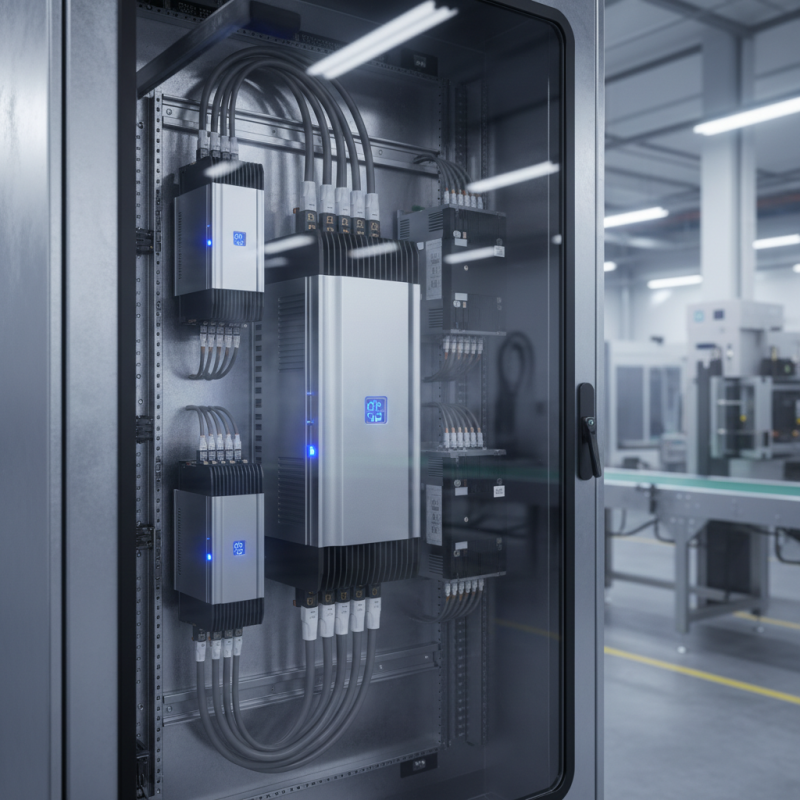
When it comes to understanding frequency converters, it's essential to know their applications. Frequency converters adjust the frequency of electrical power for various devices. They are crucial in industrial settings, ensuring equipment operates smoothly. Many machines require specific frequency levels for optimal performance. A mismatch can lead to inefficiency or damage.
Choosing the right converter requires consideration of several factors. Assess the load requirements of your equipment. This ensures you select a converter that meets power needs effectively. Pay attention to the input and output ranges. A mismatch here can lead to equipment failure. It's wise to consult with experts in the field. Their insights can save time and resources.
Consider the environment where the converter will be used. Some areas have high humidity or dust levels. In such cases, protective casings may be necessary. Investing in a converter that suits both the environment and application is critical. Don't overlook the importance of scalability. As needs change, flexible solutions can adapt without complete replacement. Reflecting on these factors will help in making informed decisions.
Key Factors to Consider When Choosing a Frequency Converter
When choosing a frequency converter, several key factors come into play. The power rating is crucial. Select a converter that meets your equipment's maximum output requirements. Insufficient power may lead to underperformance. Likewise, overheating can damage both the converter and the connected devices. Make sure to assess the load type as well. Different applications demand various torque characteristics. Constant torque applications require converters with specific capabilities to perform efficiently.
Another important consideration is the input and output voltage levels. Ensure compatibility with your existing electrical systems. Mismatched voltages can lead to unsafe conditions or equipment failure. Pay attention to the control method as well. Some converters offer more precise control than others. Digital control may provide advanced features, while analog options could suffice for simpler tasks.
Finally, durability and reliability are essential. Researching materials and construction quality can be significantly helpful. Some converters may show wear over time or under heavy use. Consider environmental factors too. Humidity, dust, and temperature fluctuations can impact durability. It might be wise to reflect on previous experiences with equipment failures related to inadequate specifications. In this way, you ensure a more informed decision.
Evaluating Power Ratings and Specifications of Frequency Converters
When selecting a frequency converter, understanding power ratings and specifications is crucial. These specifications dictate how well the converter will perform in various applications. It's essential to consider the voltage and current ratings first. A mismatch can lead to inefficiencies or even equipment damage. Always check both the input and output ratings to ensure compatibility.
Another key element is the frequency range. Some converters operate at fixed frequencies, while others provide variable options. Determine the application needs before making a choice. Look at power factor ratings too. A high power factor indicates more efficient energy use. This can reduce operational costs over time.
Beware of oversizing the converter. While it might seem beneficial for extra capacity, it can create inefficiencies. A converter operating below its optimal load may lead to increased losses. Assessing your actual power requirements is vital. Balancing your needs with the specifications can lead to better performance and long-term reliability.
Essential Tips for Choosing the Right Frequency Converter
| Parameter | Specification | Details |
| Input Voltage | 240V AC | Common voltage for industrial applications |
| Output Voltage | 480V AC | Useful for high-power motors |
| Frequency Input | 50/60 Hz | Compatibility with global standards |
| Frequency Output | Variable | Adjustable as per motor requirements |
| Power Rating | 10 kW | Suitable for medium-sized motors |
| Cooling Method | Air Cooled | Efficient heat dissipation for reliability |
| Protection Features | Overload, Short-circuit, Thermal | Enhances safety and operational longevity |
| Control Type | V/f Control | Simple and effective motor speed control |
Assessing Compatibility with Existing Equipment and Systems
When selecting a frequency converter, compatibility with existing equipment is crucial. A comprehensive assessment of system requirements can prevent costly downtime. According to a recent industry report, 40% of frequency converter failures stem from poor compatibility. This highlights the need for careful evaluation.
Evaluate your equipment’s power specifications, including voltage, frequency, and phase. Ensure the frequency converter can handle the specific loads and operational conditions of your system. It is essential to consider environmental factors too. Some converters may not perform well in extreme temperatures or high humidity. A mismatch can lead to inefficiencies, increased wear, or even equipment failure.
Testing is vital. Before finalizing a purchase, conduct site trials whenever possible. Gather data on how the frequency converter interacts with existing motors and drives. Collect feedback from users who have faced similar compatibility issues. This real-world insight can illuminate potential obstacles you might encounter. Remember, what works for one setting may not work for another. Compatibility is not merely a checkbox; it requires thorough investigation and ongoing assessment.
Maintenance and Support Considerations for Frequency Converters
When considering maintenance and support for frequency converters, understanding their operational needs is essential. Frequency converters require regular check-ups to ensure optimal performance. This involves inspecting connections, verifying settings, and recalibrating as necessary. Neglecting these tasks can lead to inefficiencies or unexpected failures.
One effective tip is to establish a maintenance schedule. Consistency is key. Regularly documenting each service can help track performance trends. This practice may reveal patterns, allowing for proactive adjustments. Maintain your converters, and they will reward you with reliability.
Moreover, ensure your team is trained properly. Knowledge gaps can lead to costly mistakes. Investing in training empowers staff to handle minor issues before they escalate. Communication with suppliers for support options is also vital. Strong relationships can yield useful resources during emergencies. Frequent training sessions and open lines of communication create a culture of preparedness, fostering a resilient operation.