Best Double Eccentric Butterfly Valve Guide for Efficient Flow?
The "double eccentric butterfly valve" has emerged as a vital component in flow control systems. According to the Global Valve Market Report 2022, these valves account for over 25% of the market due to their efficiency and durability. Industry expert Dr. Emily Hart notes, “Double eccentric designs dramatically reduce wear and enhance flow dynamics.” This statement underscores the increasing reliance on innovative valve solutions.
Efficiency is crucial in modern operational processes. The double eccentric butterfly valve offers reduced turbulence, promoting smooth flow. However, there are challenges. Installation and maintenance can be complex, requiring skilled personnel. While many operators appreciate the cost-effectiveness, some may overlook potential complications.
Ensuring optimal performance involves continuous evaluation. The need for periodic inspections is often highlighted, yet many overlook this critical factor. As the demand grows, the balance between efficiency and reliability becomes essential. Addressing these concerns is vital for maximizing the benefits of the double eccentric butterfly valve.
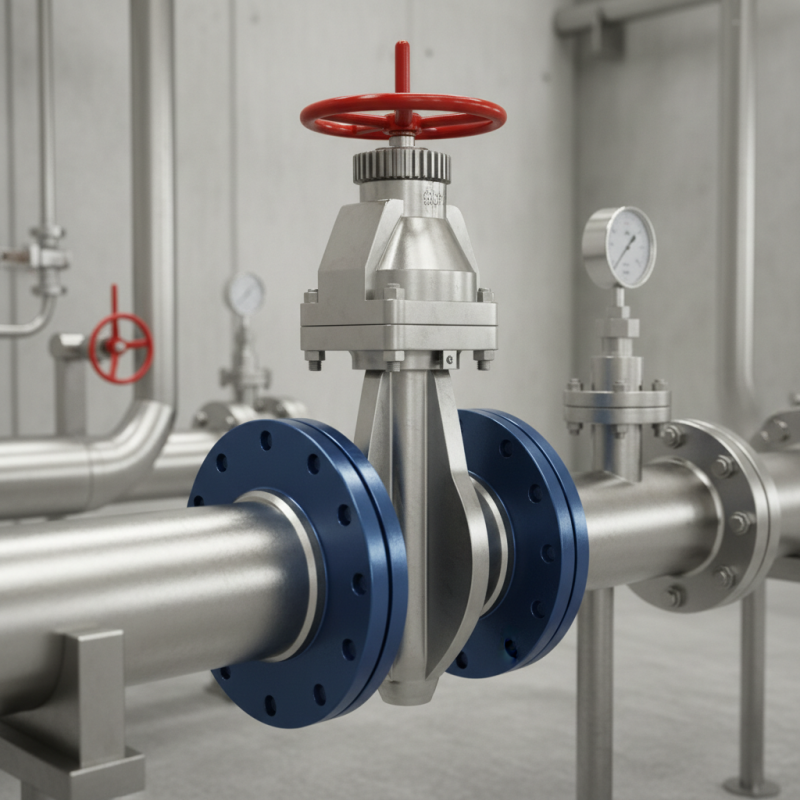
Understanding Double Eccentric Butterfly Valve Design and Functionality
The double eccentric butterfly valve features a unique design that enhances its functionality in various applications. Its distinct geometry allows for lower torque requirements, which can lead to energy savings. Research indicates that these valves can operate efficiently at different pressures, minimizing the risk of unwanted leaks and failures. Data from industry reports suggest that they can achieve a reliability rate of over 95%.
These valves excel in flow control, especially in situations demanding high-performance outputs. Their two-eccentric shaft alignment reduces seating wear and prolongs valve life. In fact, studies show that maintaining optimal flow conditions can prevent up to 30% of potential energy loss in a system. This efficiency not only preserves resources but also contributes to sustainability efforts.
Circumstances requiring quick adjustments can still pose challenges. While double eccentric butterfly valves are robust, they may not perform well under extreme temperatures or highly corrosive conditions. A thorough understanding of the system requirements is crucial. Engineers often need to reassess their designs and choices frequently to adapt to changing operational needs.
Advantages of Double Eccentric Butterfly Valves for Flow Control
Double eccentric butterfly valves offer significant advantages for flow control in various industries. These valves feature a unique design, allowing for reduced friction during operation. This design ensures better sealing and minimizes wear on the components. According to industry reports, this leads to a longer lifespan—up to 20% more than conventional valves.
The efficiency of flow management directly impacts energy consumption. Double eccentric valves can achieve flow coefficients (Cv) that outperform traditional designs by about 15%. This can result in substantial cost savings for companies over time. However, some users report challenges with installation. While these valves provide reliable performance, misalignment can lead to inefficiencies, highlighting the need for skilled installation to maximize their potential.
Furthermore, these valves excel in throttling applications. They maintain control with minimal pressure drop, improving overall system efficiency. Yet, the complex design might not be suitable for all fluids—especially those with high particulate content. This aspect requires careful consideration during selection. Users must weigh the benefits against specific application needs to ensure optimal performance.
Applications of Double Eccentric Butterfly Valves in Various Industries
Double eccentric butterfly valves are widely used in various industries. Their design allows for efficient flow control. This is particularly important in industries like water treatment and chemical processing. The unique structure minimizes wear and tear, making these valves durable. They can handle high-pressure and temperature fluctuations.
In the petrochemical sector, double eccentric valves play a crucial role. They provide reliable sealing capabilities. This reduces leaks and ensures safety. In HVAC systems, these valves improve energy efficiency. They allow for precise regulation of fluid flows. However, installation can sometimes be tricky. Proper alignment is necessary to avoid operational issues.
Food processing is another area where these valves shine. They help maintain hygiene and product quality. The smooth sealing surfaces are easy to clean. Yet, users must regularly inspect the valves for buildup. Any neglect can lead to problems like contamination. Overall, double eccentric butterfly valves offer significant benefits across industries. Their applications are diverse but not without challenges.
Maintenance Tips for Ensuring Optimal Performance of Butterfly Valves
Maintaining butterfly valves is essential for optimal performance. Regular inspection helps catch issues early. Check for signs of wear and tear. Listen for unusual sounds during operation. A small leak can lead to major problems. Conducting visual inspections can save time and money.
Lubrication is crucial yet often overlooked. Apply suitable grease to the stem and bearings. Don't overdo it; too much grease can attract dirt. This dirt can hinder valve function. Cleaning the valve regularly is equally important. Remove debris that may affect its performance.
Lastly, ensure the valve operates within its pressure and temperature limits. Exceeding these limits can cause failure. Document maintenance activities to track performance trends. Reflect on past issues to improve future practices. Effective maintenance can enhance your system’s efficiency and longevity.
Choosing the Right Double Eccentric Butterfly Valve for Your System
When selecting a double eccentric butterfly valve, consider system requirements. Each application brings unique challenges. Flow rates, pressure, and temperature must fit your needs. The valve’s design should accommodate these factors for optimal performance.
Material choice is crucial. You can find valves made from various materials like stainless steel and cast iron. Each material has pros and cons. Stainless steel offers great corrosion resistance, while cast iron may be more cost-effective. Assess the environment where the valve will operate.
Installation plays a significant role. Misalignment can lead to inefficiencies. Ensure proper design and alignment during installation. Regular maintenance checks are essential. They prevent wear and tear that affects flow. Ignoring this could lead to bigger issues.