Digital Best Practices in Process Engineering for Global Buyers?
In today’s global marketplace, process engineering stands as a cornerstone for operational success. Effective practices in this field enhance productivity and drive efficiency. However, many organizations struggle to implement these best practices effectively. They may find themselves lost in the complexity of international standards and variations in operational landscapes. Understanding how to adapt process engineering strategies can make a significant difference.
Businesses must embrace digital tools to streamline their processes. Yet, challenges arise when integrating technology with existing systems. Many buyers underestimate the importance of training and resources required for successful implementation. To remain competitive, organizations need to foster a culture of continuous improvement. This includes regularly reviewing practices and recognizing areas that require change or enhancement.
Consumers today demand agility and innovation. This puts pressure on process engineering teams to deliver faster and smarter solutions. However, clinging to outdated methods can hinder progress. It is crucial to assess what works and what does not in process engineering. Embracing a mindset of trial, error, and reflection can lead to better outcomes in a rapidly evolving market.

Understanding the Role of Digital Technologies in Process Engineering
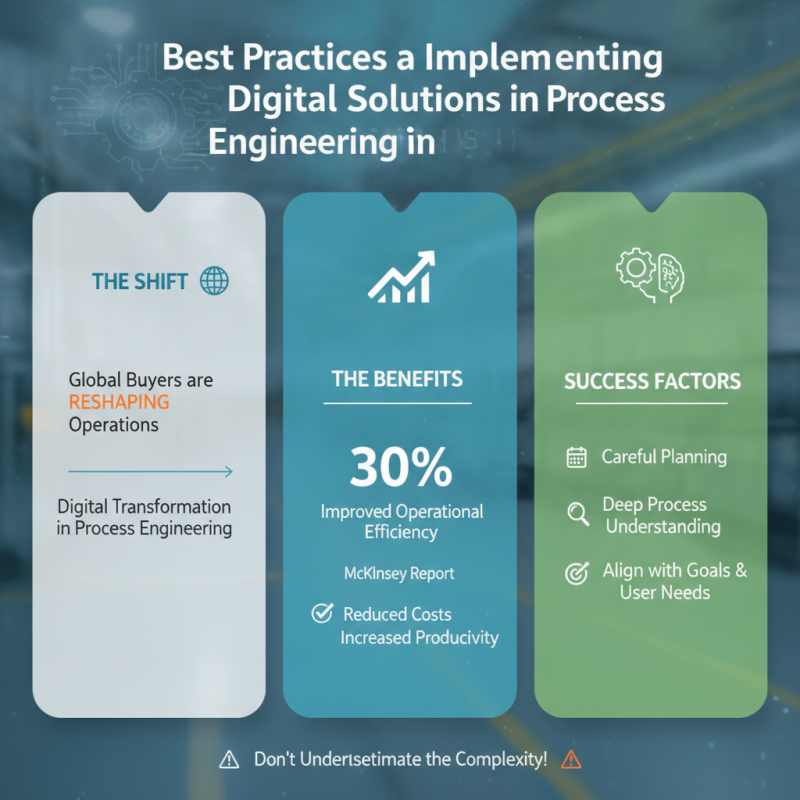
Digital technologies are transforming process engineering, especially for global buyers. Advances in automation and data analytics are reshaping traditional practices. A recent report from McKinsey noted that companies embracing digital solutions in engineering could boost productivity by up to 25%. This highlights how important it is for organizations to adapt to these changes.
Process visualization tools enable engineers to monitor performance in real-time, significantly enhancing decision-making. Moreover, implementing machine learning algorithms can reduce operational costs by 15% or more. Yet, many organizations are slow to adopt these innovations. A survey by PwC found that less than 20% of companies fully leverage digital tools for process optimization.
The complexity of integrating new technologies poses a challenge. Employees may resist changes due to lack of training or fear of job displacement. Moreover, data security remains a concern as companies collect more sensitive information. Process engineering must navigate these hurdles while exploring the potential benefits of digitalization.
The journey toward full digital transformation is not straightforward, but it holds significant promise for those willing to invest in the future.
Key Digital Tools and Platforms for Global Process Engineering Buyers
In global process engineering, digital tools play a crucial role in optimizing efficiency. Key platforms enable smoother communication and project management. These tools help teams collaborate in real time. Enhanced visibility into workflows can significantly reduce delays. However, many buyers struggle to fully utilize these technologies. This gap often leads to missed opportunities for improvement.
Adopting cloud-based solutions is common among process engineers. These platforms allow for easy data sharing. However, security concerns still exist. Organizations often hesitate to move all operations online. Training staff to use these tools effectively can also be challenging. Insufficient training may lead to underutilization. It's crucial to assess the team's readiness before implementation.
Data analytics tools provide valuable insights. They help in identifying inefficiencies and patterns. Yet, many users find the data overwhelming. Streamlining the data visualization process could enhance understanding. Building a culture that embraces digitalization is essential. This shift requires time and ongoing evaluation of digital strategies. Developing a digital maturity roadmap could guide buyers in their journey.
Digital Best Practices in Process Engineering for Global Buyers
| Tool/Platform |
Purpose |
Key Features |
Benefits |
User Ratings (out of 5) |
| Simulation Software |
Modeling processes for optimization |
3D modeling, scenario analysis |
Improved efficiency, cost reduction |
4.5 |
| Data Analytics Platforms |
Analyzing performance metrics |
Real-time data monitoring, predictive analytics |
Better decision-making, proactive issue resolution |
4.3 |
| Collaboration Tools |
Facilitating team communication |
Document sharing, real-time chat |
Enhanced teamwork, reduced misunderstandings |
4.7 |
| Project Management Software |
Tracking project progress |
Gantt charts, resource allocation |
Improved project delivery, stakeholder satisfaction |
4.6 |
| Cloud Computing Solutions |
Storing and processing data remotely |
Scalability, data security |
Cost-effective, flexibility of resources |
4.4 |
Evaluating the Impact of Digital Transformation on Operational Efficiency
Digital transformation has reshaped process engineering, especially for global buyers. Implementing smart technologies can streamline workflows and enhance productivity. However, organizations often face challenges when integrating these technologies. Many companies struggle with legacy systems that hinder seamless transitions. Overcoming such barriers is crucial for improving operational efficiency.
Data analytics plays a vital role in this transformation. By analyzing workflows and outputs, businesses can identify bottlenecks. This insight allows them to optimize processes in real-time. However, relying solely on data without human intuition can lead to misinterpretations. It is essential to balance technology with expert knowledge in decision-making.
Employee training is another critical aspect of digital transformation. A skilled workforce can maximize the benefits of new technologies. Yet, organizations often underestimate the time and resources needed for effective training. Some employees may resist changes, fearing job displacement. Addressing these concerns is vital for fostering a culture of continuous improvement.
Future Trends in Digital Process Engineering for Global Buyers
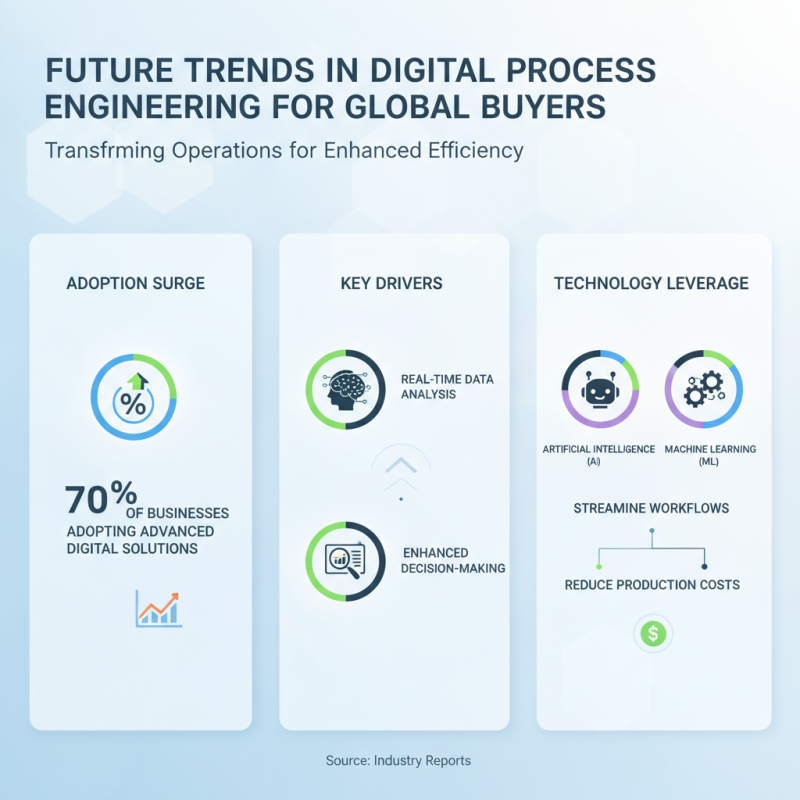
In the evolving landscape of digital process engineering, global buyers are witnessing transformative trends. Reports indicate that 70% of businesses are adopting advanced digital solutions to improve operational efficiency. This shift is driven by the need for real-time data analysis and enhanced decision-making capabilities. Companies leverage tools such as artificial intelligence and machine learning. The aim is to streamline workflows and reduce production costs.
Moreover, the focus on sustainability is reshaping process engineering practices. A survey revealed that 65% of organizations are prioritizing environmentally friendly processes. This trend is not just about compliance. It reflects a strategic move to reduce waste and improve resource management. Digital tools offer viable pathways to monitor and optimize energy consumption throughout production cycles. However, challenges remain. Integrating new technologies into existing systems can be complicated. Businesses must ensure their teams are equipped with the skills necessary to navigate these changes.
The future points to a more interconnected approach to process engineering. Experts predict that up to 80% of supply chains will be digitally connected by 2025. While this presents opportunities, it also requires ongoing evaluation of cybersecurity risks. Ensuring data integrity in increasingly complex networks is paramount. Buyers must adopt a vigilant stance, questioning their partners' readiness to handle potential threats. The journey towards digital transformation is fraught with challenges, yet the benefits could redefine the industry landscape.