Why Choose CNC Machining for Your Global Manufacturing Needs?
CNC machining has transformed the landscape of global manufacturing. This technology offers precision and efficiency that traditional methods often cannot achieve. By utilizing computer-controlled tools, businesses can produce complex parts with incredible accuracy.
The rise of CNC machining has been driven by the need for faster production times and reduced costs. Manufacturers can quickly adapt to changes in design without significant downtime. This flexibility is crucial in today’s fast-paced market. However, relying on CNC machining presents its own set of challenges. For example, initial setup costs can be high, and not every company has access to modern CNC equipment.
Understanding the intricacies of CNC machining is essential for making informed decisions. Not all CNC machines are created equal, and some industries require specialized knowledge. When developing a global manufacturing strategy, weighing these factors is vital. Embracing CNC machining can lead to significant benefits, but companies must tread carefully.
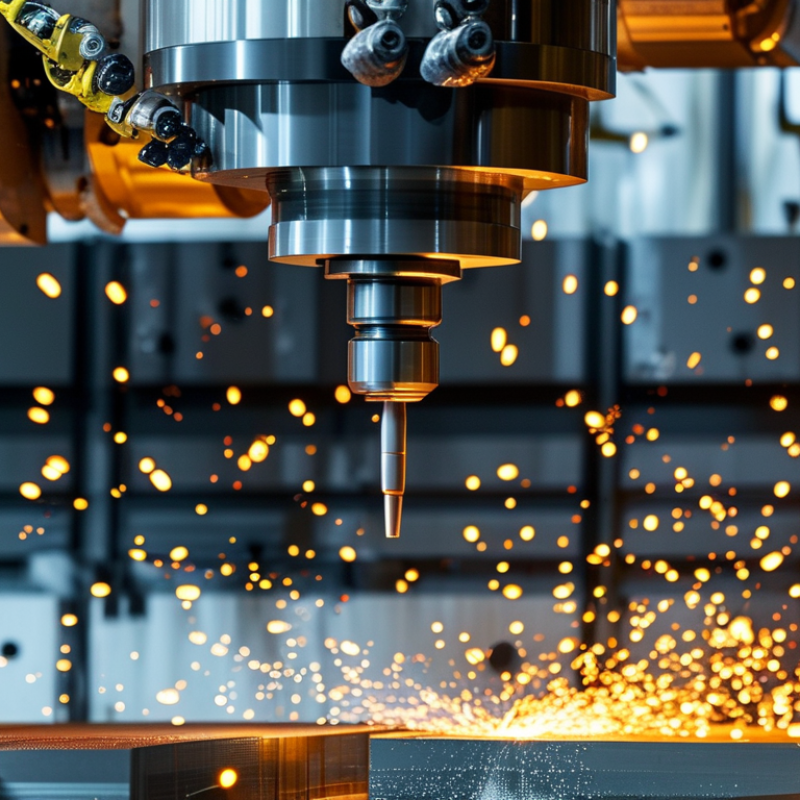
Benefits of CNC Machining in Global Manufacturing
CNC machining has become a cornerstone in global manufacturing due to its precision and efficiency. According to a report by Allied Market Research, the CNC machining market is expected to reach $100 billion by 2027, reflecting an annual growth rate of over 6%. This growth indicates a rising demand for high-precision components across various industries, including aerospace, automotive, and electronics. CNC machining offers superior accuracy, reducing waste and ensuring that complex parts can be produced without human error.
Employing CNC machining allows for rapid prototyping and scalable production. Manufacturers report cycle times reduced by up to 50% compared to traditional methods. This efficiency can significantly lower overall production costs. Moreover, CNC machines can operate continuously, providing manufacturers the flexibility to meet tight deadlines without sacrificing quality. However, the initial setup costs can be high, and not all facilities may have the required expertise in programming these machines.
For companies considering this technology, continuous training for operators is essential. Regularly updating skills ensures that the workforce can utilize advancements in CNC technology effectively. Investing in regular maintenance can also mitigate potential downtime. Finally, comparing machining options may seem tedious but can reveal the best fit for specific manufacturing needs.
Key Industries Utilizing CNC Machining
CNC machining has emerged as a vital process in various key industries. The aerospace sector, for example, increasingly relies on CNC technology due to its precision and efficiency. According to a report from Statista, the aerospace industry's global market size is projected to reach $1 trillion by 2030, underscoring the need for reliable manufacturing processes. CNC machining delivers tight tolerances, which are critical for the safety and performance of aircraft components.
The automotive industry also heavily depends on CNC machining. The International Organization of Motor Vehicle Manufacturers reported over 95 million vehicles produced globally in 2019. This staggering number highlights the demand for high-volume production techniques that maintain quality. CNC machines can produce complex parts with minimal waste, making them ideal for mass production. However, the high initial investment and need for regular maintenance can pose challenges for smaller manufacturers.
The medical device sector is embracing CNC machining for fabricating intricate components required in surgical instruments and implants. Research indicates that the global medical device market is expected to reach $612 billion by 2025. The precision offered by CNC machining is essential as any deviation can lead to critical failures. Companies must continually assess their machining processes to ensure they are meeting stringent quality standards and regulatory requirements.
Comparison of CNC Machining with Traditional Manufacturing Methods
CNC machining has become a popular choice for modern manufacturing needs. It offers precision that traditional methods often struggle to achieve. With CNC technology, manufacturers can produce complex parts with tight tolerances. This technology uses computer software to control the machinery, allowing for detailed designs that are difficult to replicate manually.
In contrast, traditional manufacturing methods, like manual machining, can be time-consuming and labor-intensive. These methods often require skilled workers who may not always deliver consistent results. Human error can lead to defects, wasting time and resources. CNC machining reduces these risks significantly. However, it requires a higher upfront investment in technology and training, which can be a barrier for some small manufacturers.
Additionally, while CNC machining is efficient, it may lack the craftsmanship found in traditional methods. Some consumers still value handmade products for their uniqueness. Balancing the speed and precision of CNC machining with the artistic touch of traditional approaches poses an ongoing challenge for manufacturers. Finding the right mix can maximize production efficiency while still appealing to market demands.
Why Choose CNC Machining for Your Global Manufacturing Needs? - Comparison of CNC Machining with Traditional Manufacturing Methods
| Feature | CNC Machining | Traditional Manufacturing |
| Precision | High precision (±0.01 mm) | Limited precision (±0.1 mm) |
| Material Versatility | Wide range of materials (metals, plastics, etc.) | Limited to specific materials |
| Production Speed | Faster production in bulk | Slower setup and production time |
| Setup Costs | Higher initial investment | Lower initial investment |
| Flexibility | Highly flexible for design changes | Less flexible once setup is complete |
| Labor Costs | Lower labor costs due to automation | Higher labor costs due to manual processes |
| Waste Reduction | Less waste generated | More waste generated |
Factors to Consider When Choosing CNC Machining Services
When considering CNC machining services, accuracy is paramount. The precision of the machinery can dramatically impact the quality of the final product. High-quality CNC machines offer tight tolerances, reducing the chances of defects. This level of detail is crucial for industries like aerospace or medical device manufacturing, where even minor errors can lead to significant outcomes.
Another important factor is material compatibility. CNC machining can handle a variety of materials, including metals, plastics, and composites. However, not all services excel in every material. Some may have specialized knowledge in specific materials, which influences the machining process. It's essential to align your project requirements with the service’s expertise.
Cost and lead time also play a vital role in decision-making. Many manufacturers operate on tight budgets, and unexpected expenses can derail projects. Nonetheless, opting for the cheapest service may lead to compromises in quality. Establishing a balance between cost, quality, and delivery time is important. Ultimately, a little introspection can help identify the service that best fits your unique manufacturing needs.
Future Trends in CNC Machining for International Markets
The landscape of CNC machining is rapidly evolving. As manufacturers look to optimize their processes, several trends are emerging. One trend is automation. By incorporating advanced robotics, factories can achieve greater precision and efficiency. Automated systems reduce human error, though they bring their own set of challenges, such as the need for skilled technicians to manage these machines.
Another significant trend is the rise of additive manufacturing alongside traditional CNC methods. Companies are exploring hybrid approaches to enhance production speed and material usage. However, not all businesses are ready for this transition. The integration of these technologies requires substantial investment and training. Companies must consider whether the benefits outweigh the initial costs.
Sustainability is becoming a priority in the CNC machining industry. Many firms are seeking eco-friendly materials and processes to minimize waste. Yet, implementing sustainable practices can be complex. It may demand changes in supply chains and existing workflows. Businesses must reflect on their capabilities and readiness to adapt to these future trends.