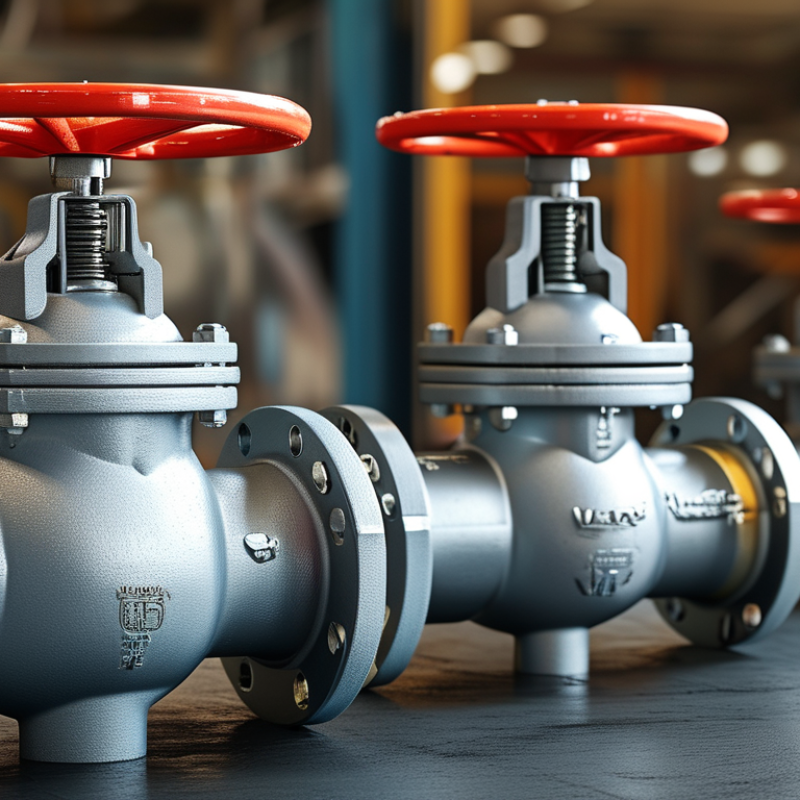
How to Choose the Right Check Valve for Your Application?
Choosing the right Check Valve can significantly impact your system's efficiency. A check valve is designed to prevent backflow in pipelines. Selecting the appropriate type is crucial for performance and safety.
Different applications require different check valves. Materials, size, and pressure ratings are essential factors to consider. Each valve has its advantages and disadvantages, which can complicate the decision-making process. Understanding how each valve operates can help in making a wise choice.
Moreover, incorrect selections can lead to failures or costly downtime. It is vital to assess your needs carefully. Sometimes, common assumptions about check valves can be misleading. Professionals often recommend consulting with manufacturers for expert advice. By doing so, you will enhance your understanding and ensure reliability in your application.
Factors to Consider When Selecting a Check Valve
When selecting a check valve, several factors come into play. Understanding the fluid type is crucial. Different fluids exert different pressures and have unique chemical properties. For instance, aggressive chemicals may require specialized materials like stainless steel or PVC. According to a 2022 industry report, 40% of valve failures are linked to inappropriate materials.
Another essential consideration is the pressure rating. Check valves function under various pressure conditions. Each valve has a specific pressure limit that must be understood. A miscalculation can lead to leaks or catastrophic failures. For example, in high-pressure systems, a valve rated below the operational pressure may fail, causing significant downtime.
The flow direction and size also matter. Check valves must match the pipe size to ensure seamless operation. An improper fit can disrupt flow and affect system efficiency. A study published in 2023 indicated that 30% of valve issues stem from size mismatches. Moreover, installation orientation should not be overlooked. Some check valves operate best in a vertical position, while others may perform adequately in horizontal setups. Each detail has a direct impact on overall performance.
Check Valve Selection Factors
Types of Check Valves and Their Applications
When selecting the right check valve, understanding the types available and their specific applications is crucial. There are several common types of check valves, including swing, lift, and diaphragm valves. Each type offers unique advantages for different operational environments. For example, swing check valves perform well in larger pipelines and are excellent for minimizing flow resistance, while lift check valves are ideal for high-pressure systems where rapid response is necessary.
According to industry reports, the global check valve market is projected to grow steadily, reaching around $5 billion by 2025. This growth reflects the increasing demand across various sectors such as water treatment, oil and gas, and chemical industries. Different applications require tailored solutions. For instance, diaphragm check valves are often used in pharmaceutical applications due to their ability to handle sanitary conditions effectively. They prevent backflow while maintaining the integrity of the fluid.
Yet, selecting the proper type can be challenging. For instance, many engineers overlook the importance of material compatibility with the operating fluid, leading to failures and expensive downtime. A check valve should not only meet flow requirements but also withstand environmental factors like temperature and pressure. Such considerations can prevent costly mistakes and enhance system reliability in the long run.
Materials and Construction of Check Valves
When selecting a check valve, materials and construction play a crucial role in performance. Different environments demand different materials. For example, stainless steel is common due to its corrosion resistance. In contrast, PVC offers a lightweight option for less aggressive applications. The right material ensures durability and reduces maintenance costs over time.
Understanding the construction of a check valve is equally important. The design often influences flow efficiency. A valve with a spring-loaded disc can provide quicker seal closure, reducing reverse flow risk. Many industry experts recommend a minimum pressure differential of 0.1 psi to ensure effective closure. However, if the valve fails to close properly, it can lead to system inefficiencies.
It is essential to consider the operating conditions. Some environments expose valves to extreme temperatures or chemicals. For instance, high-temperature applications may require specialized materials like Hastelloy. Ignoring these details can result in costly failures. Regularly reviewing performance data and consulting with industry specifications can help in making informed choices.
Sizing and Pressure Ratings for Check Valves
Choosing the right check valve involves understanding sizing and pressure ratings. Selecting the correct size is crucial for optimal performance. A valve that is too small may lead to pressure drop issues. Conversely, an oversized valve may not seal properly.
Check valves come with various pressure ratings. Each valve is designed to withstand specific pressure levels. Exceeding these limits can result in failure. Always check the manufacturer's specifications before making a choice.
**Tips:**
Consider the fluid type when selecting a valve. Different liquids can affect valve material compatibility. Regularly inspect valves for wear and tear. A proactive maintenance strategy can extend the life of your system. Remember that the installation environment can impact the valve’s performance as well. Adjust your choice based on these real-world factors.
Installation Best Practices for Check Valves
When installing check valves, adherence to best practices is crucial for ensuring system efficiency. A recent industry report indicated that improper installation can lead to a 25% reduction in valve performance. Ensuring correct alignment and orientation minimizes the risk of leaks. For horizontal installations, the valve's hinge should be positioned at the top. This ensures that debris flows through without obstructing the mechanism.
Also, the use of proper sealants is essential. Many professionals emphasize the importance of using thread sealant tape, especially in threaded applications. Research suggests that about 15% of leaks in check valves can be traced back to inadequate sealing practices. Identifying and addressing potential leak points during installation can save significant costs in repairs and downtime.
Regular inspections further enhance reliability. An industry study highlighted that routine checks can improve valve lifespan by up to 30%. It's advisable to develop a maintenance schedule that includes open and close tests. This can help reinforce understanding of valve functionality and prevent unexpected failures. Proper installation and ongoing checks ultimately contribute to a more reliable and efficient system.