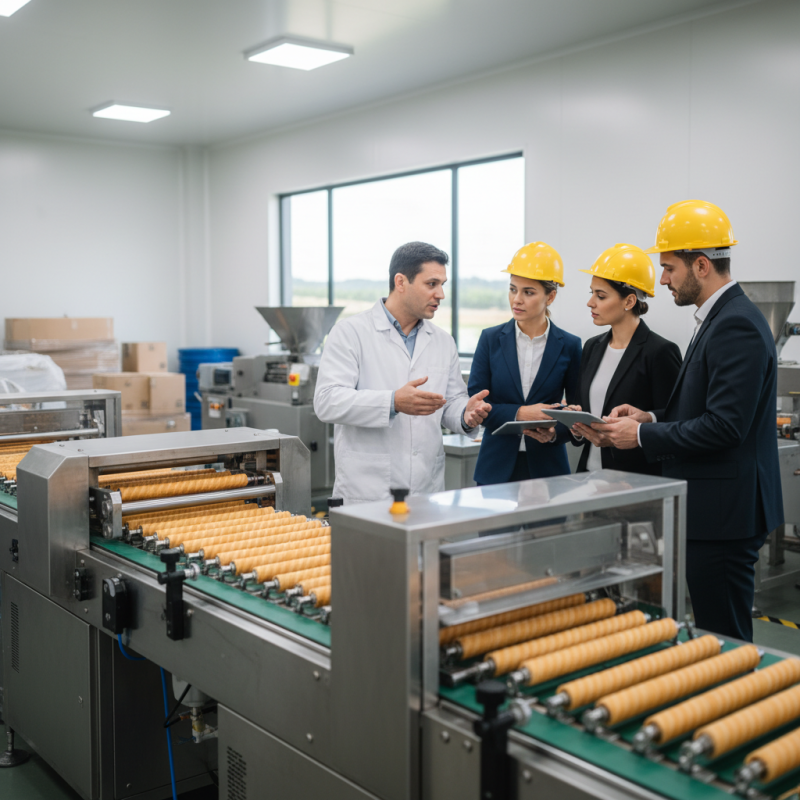
How to Choose the Right Wafer Roll Machine for Your Business?
Choosing the right Wafer Roll Machine is crucial for your business's success. Industry expert John Smith once said, “Investing in the right equipment can transform your production line.” His insight highlights the importance of making an informed choice.
When selecting a Wafer Roll Machine, consider your specific needs. The machine's capacity, size, and speed impact your production capabilities. A well-chosen machine can enhance efficiency and boost output. However, it is essential to assess available space and power requirements carefully.
In this competitive market, making mistakes with equipment choices is common. Many businesses fail to evaluate their needs properly. A thoughtless investment can lead to production bottlenecks. Thus, it is vital to take time and reflect on what your business truly requires before making a decision.
Understanding Wafer Roll Machines: Key Features and Functions
Choosing the right wafer roll machine requires understanding its key features and functions. These machines differ in size, capacity, and automation levels. A fully automated machine may produce 250 to 500 wafers per hour, while semi-automatic options typically yield around 100 to 250. This difference can significantly impact production efficiency.
Consider the material and design of the machine. Stainless steel is commonly preferred for durability and hygiene. Some machines have multiple molds, allowing for different shapes and sizes of wafers. Feature-rich equipment, like temperature control and adjustable thickness settings, can lead to better quality products. In a 2022 market analysis, it was noted that companies investing in advanced features saw a 30% increase in output consistency.
Also, reflect on maintenance and support. Machines with easy-to-clean designs not only save time but also reduce the risk of contamination. Statistics show that around 20% of production downtime is due to maintenance issues. Thus, understanding these operational challenges can help avoid production delays.
How to Choose the Right Wafer Roll Machine for Your Business?
| Feature | Description | Importance | Typical Range |
| Production Capacity | Amount of wafers produced per hour | High | 100-800 wafers/hour |
| Machine Size | Physical dimensions of the machine | Medium | 1.5m x 1m x 1.2m |
| Energy Consumption | Power requirement for operation | High | 5-15 kW |
| Automation Level | Degree of automated processes | High | Manual to Fully Automatic |
| Material Used | Type of materials the machine can process | High | Wheat flour, rice flour, etc. |
| Maintenance Needs | Frequency and complexity of required maintenance | Medium | Monthly to quarterly |
| Cost | Initial purchase cost of the machine | High | $10,000 - $100,000 |
Assessing Production Capacity: Choosing the Right Output for Your Needs
When choosing a wafer roll machine, production capacity is crucial. The right output should align with your current and future needs. According to industry reports, a machine that produces 1,000 to 2,000 pieces per hour is often ideal for small to medium enterprises. This range supports flexibility for growth. Factors like the target market and demand must be considered carefully.
Assessing the production capacity involves more than just numbers. It is essential to evaluate how quickly you can meet orders. Studies indicate that 40% of businesses experience delays due to insufficient machine output. If demand spikes, can your machine keep up? A machine with adjustable settings might provide the necessary versatility. However, some machines may not maintain consistency at higher speeds.
Understanding technical specifications can be daunting. Have you analyzed your workforce’s ability to operate new machinery? Training can impact efficiency. A machine might promise high output but could lead to operational bottlenecks if not managed well. It's a balance of production capacity and effective use of human resources.
Production Capacity Assessment for Wafer Roll Machines
Evaluating Machine Durability and Maintenance Requirements
When selecting a wafer roll machine, durability and maintenance should be top priorities. Machines made from high-quality materials ensure longevity. A machine's lifespan can greatly impact production costs. Studies show that well-maintained machines can last up to 15 years. Investing in a durable machine reduces the frequency of replacements and can save companies thousands of dollars.
Regular maintenance is crucial. Neglecting it can lead to unexpected breakdowns. Reports indicate that 30% of machine failures are due to lack of proper upkeep. Developing a consistent maintenance schedule helps prevent these issues. One tip is to train staff on routine checks. Simple actions like cleaning and lubricating parts can extend the machine's life.
Keep an eye on wear and tear. Parts such as rollers may require replacement after extended use. Regular inspection can prevent bigger problems later. Noticing minor issues early can save time and money. Remember, machines are investments. A little attention can go a long way in maintaining efficiency and productivity.
Cost-Benefit Analysis: Budgeting for a Wafer Roll Machine
When budgeting for a wafer roll machine, consider both initial costs and long-term benefits. A quality machine can range from $10,000 to $50,000. The price varies based on features and capacity. Investing in a reliable machine can boost production efficiency and product quality. In the long run, a dependable machine reduces maintenance costs.
Look for machines with energy-efficient designs. This can lead to lower utility bills. Research shows that energy-efficient machines can save businesses up to 30% on energy costs. Additionally, evaluate the machine's warranty. A longer warranty often indicates durability and manufacturer confidence.
Tips: Always calculate your return on investment (ROI). Compare potential profits against your costs. Engage with suppliers for insights about total cost of ownership. Take time to reflect on your production needs. It's crucial not to rush the decision-making process, as a poor choice can lead to regrets.
Researching Brands and Models: Finding Reliable Manufacturers
When selecting a wafer roll machine, thorough research is essential. Start by looking into various manufacturers and their reputations. It's important to check customer reviews and feedback. Some manufacturers may promise high efficiency but deliver subpar performance. Take your time to read about their experiences.
Consider visiting trade shows or manufacturing expos. These events often showcase different brands and models. You can see machines in action, which helps you gauge their quality. Pay attention to machines that exhibit durability and ease of use. Ask questions to the representatives. They can offer insights into the machine's maintenance and support.
Warranties and after-sales service are significant factors too. Some manufacturers provide limited support after purchase. Evaluate whether they offer training or troubleshooting assistance. It’s vital to find a manufacturer that stands behind their product for long-term satisfaction. Don't rush. A well-informed decision can prevent costly mistakes in the future.