Choosing the right centrifugal disc finishing machine can be a daunting task. With various options available, how do you know what suits your needs? Industry expert John Smith once said, "Selecting a centrifugal disc finishing machine is about understanding your specific requirements." His insight captures the essence of this decision-making process.
Centrifugal disc finishing machines serve many purposes. They can polish, deburr, and improve surface finishes. However, not all machines are alike. Quality, size, and intended use all play a role in selection. A misstep in choosing can lead to inadequate results or wasted time. Precision matters in this industry.
Consider your material types and desired outcomes carefully. Each machine varies in technology and efficiency. It’s important to reflect on your production volume. Ask yourself, "What are my real needs?" The right choice can enhance productivity and reduce costs. Finding balance is not always easy. The complexities of your requirements should guide your decision.
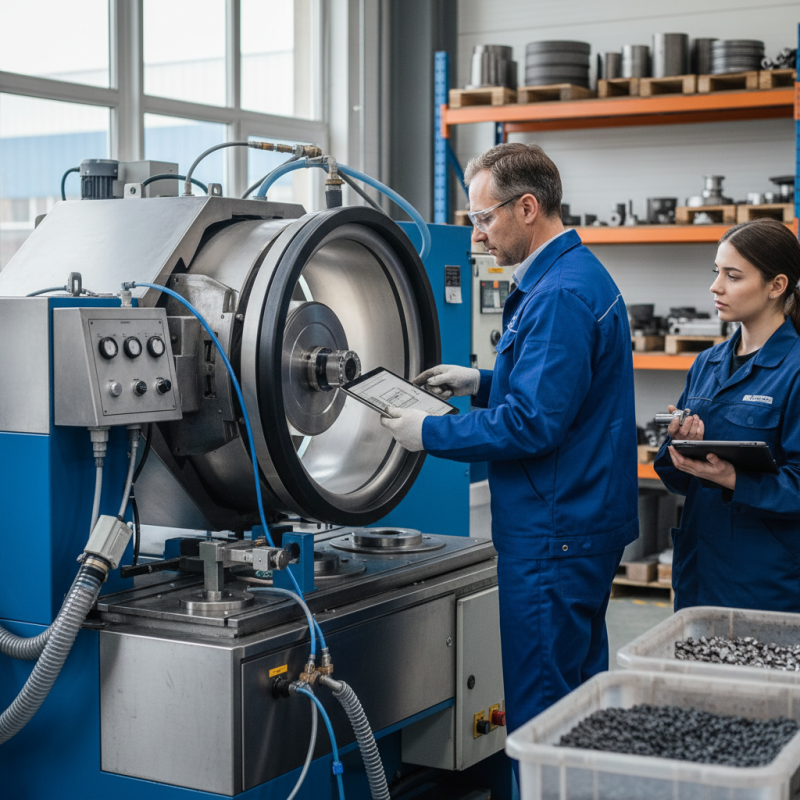
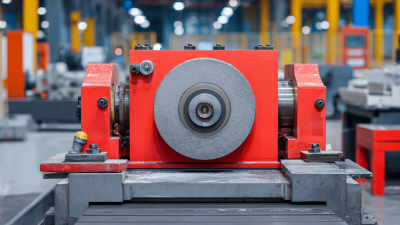
Centrifugal disc finishing machines play a crucial role in metal surface treatment. They use high-speed rotating discs to achieve smooth surfaces and deburring. Such machines are ideal for small to medium-sized parts, especially in the automotive and aerospace sectors. According to industry reports, the demand for these machines has increased by over 20% in the past few years due to enhanced efficiency and precision.
When selecting a machine, consider your specific application needs. Factors include part size, material type, and desired finish. A mismatch in these factors can lead to suboptimal results. A study highlighted that up to 30% of users faced issues due to incorrect machine selection. This underscores the importance of thorough research and testing before committing to a purchase.
Tip: Always review detailed product specifications. This may help you avoid costly mistakes.
Another key aspect is maintenance. Regular servicing ensures consistent performance. Neglecting maintenance can lead to equipment failures. A recent survey indicated that around 15% of users experienced operational downtime due to inadequate upkeep.
Tip: Keep a maintenance log. It helps track performance and potential issues.
Understanding your finishing requirements thoroughly will greatly enhance your production's quality and efficiency. Taking the time to analyze machine features and limitations is not just beneficial but essential for your success.
When selecting a centrifugal disc finishing machine, it is crucial to consider several key factors. Understanding your specific needs is essential. The size and type of workpieces you intend to finish will influence your choice. Larger items require more space and a powerful machine, while smaller parts can work with more compact models.
Another factor is the material of the components. Different materials react uniquely during the finishing process. For instance, metal parts need different media than plastics. Matching the media type to your workpiece ensures effective results. Do not overlook the machine's speed settings. Variable speed can be beneficial for adjusting the intensity of the finishing process.
Additionally, maintenance requirements should be assessed. Some machines may require more upkeep than others. Regular maintenance is vital to keep the machine in working order. It’s often tempting to choose the cheapest option, but this can lead to hidden costs. Reflect on the long-term investment rather than the initial price tag. Also, consider the learning curve associated with operation. Some machines are more user-friendly than others, which can impact productivity.
| Feature | Description | Importance Rating (1-5) |
|---|---|---|
| Size of Workpieces | Consider the dimensions and weight of the items to be finished. | 5 |
| Material Compatibility | Ensure the machine is suitable for the materials you are processing. | 4 |
| Processing Speed | Evaluate the speed settings based on production requirements. | 4 |
| Versatility | Ability to handle various types of finishes and applications. | 3 |
| Ease of Operation | User-friendly controls and settings for operators. | 5 |
| Maintenance Requirements | Consider the ease of maintenance and upkeep costs. | 4 |
| Cost | Total investment required, including setup and operational costs. | 5 |
| Energy Efficiency | Check for the energy consumption and efficiency ratings. | 3 |
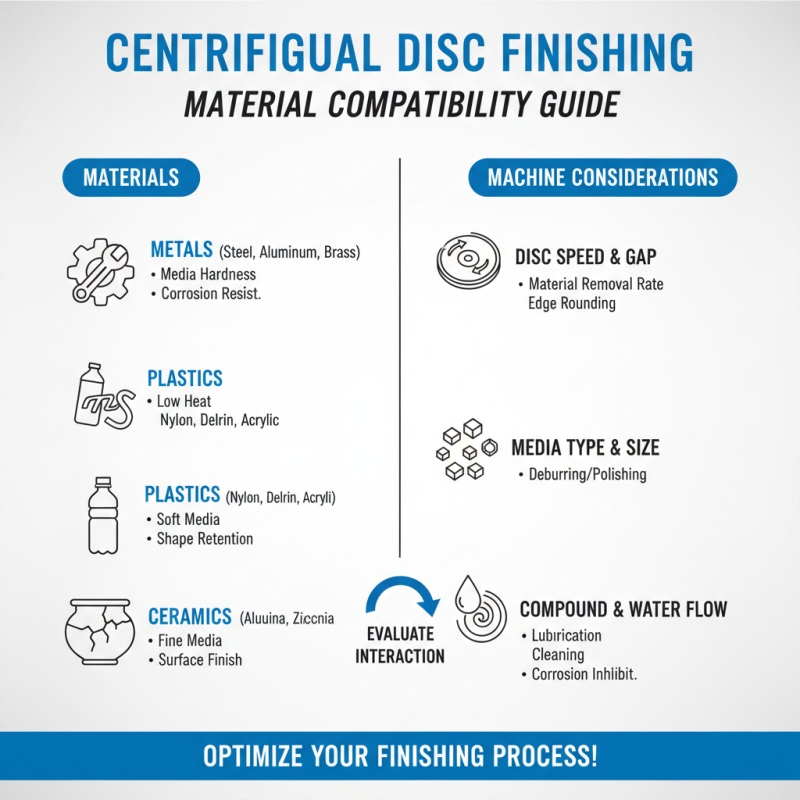
Choosing the right centrifugal disc finishing machine involves understanding how materials interact with the finishing process. Not all materials are compatible with every setup. Metals, plastics, and ceramics can respond differently to the forces and media used in these machines. Evaluating material compatibility can affect the finishing results significantly.
When selecting a machine, consider the hardness of the material. Softer materials may be damaged by aggressive media. Additionally, some parts might tarnish or corrode during the process. This could lead to unsatisfactory outcomes. Always run tests on sample materials. This provides insight into how well your material will perform with a specific machine.
Tips: Always check the manufacturer's guidelines for material recommendations. Keep in mind the size and shape of your parts too. A mismatched machine can lead to uneven finishes. Understand that experimenting is often necessary. Be prepared for some trial and error before finding the perfect match.
When considering a centrifugal disc finishing machine, assessing machine capacity is crucial. The machine's size and workload capacity must match your specific production needs. Take time to analyze the materials you will be processing. Different materials may require different finishing techniques and speeds. Understand the volume of parts you need to finish regularly.
Tips: Always measure your components before making a choice. Consider the maximum and minimum sizes. This step can prevent future complications. Take note of varying workloads and how they may affect machine performance.
Next, look closely at the machine's performance specifications. Check the RPM, processing times, and energy consumption. Higher RPMs can lead to a quicker finish but may compromise quality. Balancing speed and quality is essential. Test different settings to find what works best for your parts.
Tips: Watch out for irregularities in finishes. This can indicate that adjustments are necessary. Regularly evaluate your process to keep achieving desired results. Each machine is unique. Challenge yourself to learn its best practices.
This bar chart illustrates the processing capacity of various centrifugal disc finishing machine models. Assessing the capacity is essential for choosing the right machine to meet your specific needs in finishing applications.
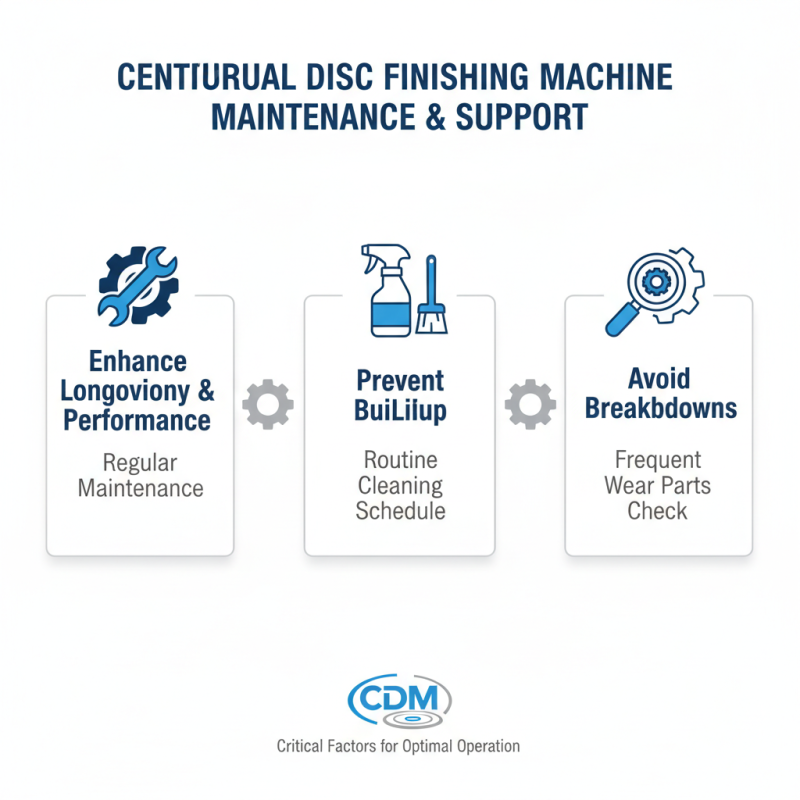
When considering centrifugal disc finishing machines, maintenance and support are critical factors. Regular maintenance can enhance machine longevity and performance. Implementing a routine cleaning schedule can mitigate dust and debris buildup. Check wear parts frequently to avoid unexpected breakdowns.
Tip: Keep a log of maintenance activities. This helps track patterns and identify potential issues early. It’s important to find a support team you can communicate with effectively. Quick response times can make a significant difference when dealing with machine problems.
Some users overlook the importance of staff training. Inadequately trained personnel can lead to operational errors. Training ensures that your team knows the daily maintenance tasks and operational protocols. They should understand normal machine sounds and functions. Unfamiliar noises might indicate a need for immediate action.
Tip: Create a checklist for operators to follow daily. This ensures that nothing is overlooked. In addition, document any unusual events that occur during operation. Reflection on these incidents can guide future improvements.