How to Choose the Best Power Hand Drill for Your Needs?
Choosing the right Power Hand Drill can be daunting. With countless options available, it's easy to feel overwhelmed. This tool is essential for DIY projects and professional tasks alike. A good drill can make your work efficient and precise.
Understanding your needs is crucial. Do you need it for light repairs or heavy-duty tasks? The power hand drill you select should match your specific requirements. Consider factors like power, battery life, and ergonomics. These details can significantly impact your experience.
Additionally, seeking expert advice can be beneficial. Reviews and recommendations can guide you towards reliable products. However, remember that what works for others may not suit you. Reflect on your unique needs and preferences when making a purchase. A thoughtful choice can lead to greater satisfaction in your projects.
Understanding the Different Types of Power Hand Drills Available
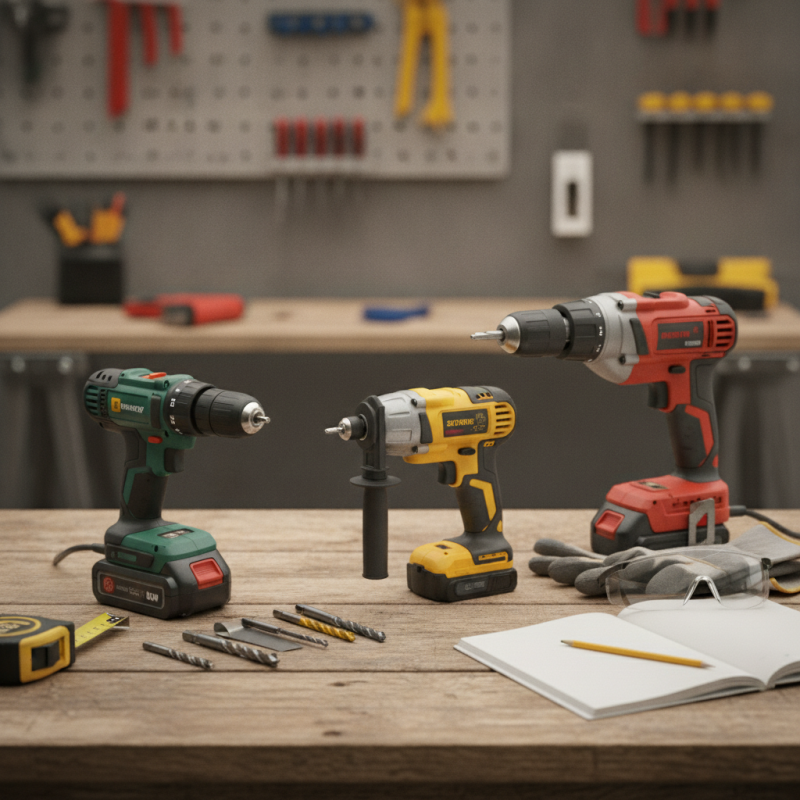
When choosing a power hand drill, it's important to understand the different types available. Corded drills are ideal for heavy-duty tasks. They provide continuous power without worrying about battery life. However, they can be cumbersome and restrict your mobility.
On the other hand, cordless drills offer flexibility and portability. They are great for DIY projects around the house. Battery technology has improved significantly, but battery life can remain an issue. It’s common for users to underestimate how often they need to recharge.
Consider specialty drills as well. Hammer drills are effective for masonry work. They deliver powerful bursts to penetrate hard materials. However, they may be unnecessary for basic household tasks. Understanding these differences can better inform your choice based on your specific needs. Don’t rush this decision; reflect on your typical projects and requirements before buying.
Key Features to Consider When Selecting a Power Hand Drill
Choosing the right power hand drill requires careful consideration of several key features. One vital aspect is the drill's power source. Most drills operate on batteries nowadays. A 2021 industry report noted that lithium-ion battery drills deliver longer run times and reduced weight compared to older models. This has become essential for prolonged use, especially in construction or DIY projects.
Torque is another critical factor. A drill with adjustable torque settings can handle different materials. Whether working with wood, metal, or plastic, the right torque ensures clean and efficient drilling. A study from the Tool Manufacturers Association revealed that drills with higher torque ratings tend to have greater versatility and user satisfaction.
Weight and ergonomics are often overlooked but are crucial for comfort during use. Heavier drills may lead to operator fatigue over time. A lighter model improves maneuverability but needs to balance power. Users may often feel overwhelmed when balancing these features. Ultimately, becoming familiar with individual needs helps in making a more informed choice.
Assessing Your Projects to Determine the Right Drill Specifications
Assessing your projects is key to selecting the right power hand drill. Start by evaluating the materials you will be drilling into. Are you working with wood, metal, or plastic? Each material requires different drill bits and power levels. For instance, hardwood may need a more powerful drill to penetrate effectively.
Next, consider the size and scale of your projects. Smaller tasks can be managed with lightweight drills, while larger projects often necessitate heavy-duty options. Think about the drill's torque settings, as these affect performance on tough materials. A drill with variable speed settings can give you more control and precision.
Lastly, reflect on your experience level. If you are a beginner, start with a basic model that offers standard features. Advanced users may prefer a drill with additional specifications. Remember, more features can complicate use for inexperienced hands. Investing time in understanding these aspects will lead to a more satisfying tool selection.
Budgeting for a Power Hand Drill: What You Need to Know
When budgeting for a power hand drill, consider your project needs first. Do you plan to use it for light tasks or heavy-duty work? Understanding this can help narrow your choices. Creating a realistic budget involves balancing quality with affordability. A cheaper model can be tempting but may lack durability.
Look beyond the initial price. Factor in battery life, speed options, and comfort. A drill that feels right in your hand can make a big difference. Think about additional costs for drill bits and accessories as well. Sometimes, spending a bit more upfront saves money in the long run.
Reflect on your skill level too. If you are a beginner, a basic model may suffice. Advanced features can be overwhelming and not necessary. Explore user reviews and seek expert advice to find reliable options. Always remember, the best drill for you is one that meets your needs without breaking the bank.
Top Brands and Models for Power Hand Drills on the Market Today
When selecting a power hand drill, focusing on leading brands can provide a good starting point. Popular models often feature ergonomic designs and diverse speed settings. This improves user comfort and versatility. Their durability is often highlighted in user reviews, but not every model meets expectations. Scrutinizing user feedback can reveal hidden issues.
Some brands stand out for their innovative features. Look for models with brushless motors for longer life. Lightweight options are great for prolonged use, but they sometimes lack power. This trade-off is essential to consider based on your needs. Checking the battery life is crucial for cordless models, as shorter durations can disrupt workflows.
Reliability is key when choosing a drill. Researching company reputations adds to the decision-making process. While many brands claim high performance, real-world tests provide the ultimate validation. Inexperienced users may struggle, so seeking advice can clarify choices. Avoid jumping at the first choice. Taking time to explore various models can lead to better outcomes.
How to Choose the Best Power Hand Drill for Your Needs?
| Model | Power (Watts) | Chuck Size (inches) | Speed (RPM) | Weight (lbs) | Price ($) |
| Model A | 600W | 1/2 | 2800 | 4.5 | 99 |
| Model B | 750W | 1/2 | 3000 | 5.0 | 120 |
| Model C | 500W | 3/8 | 2500 | 4.0 | 85 |
| Model D | 850W | 1/2 | 3200 | 5.5 | 135 |
| Model E | 700W | 3/8 | 2700 | 4.8 | 110 |