How to Choose the Best Long Range Camera for Your Needs?
Choosing the right Long Range Camera can be a daunting task. There are many factors to consider, from technical specifications to personal preferences. It's essential to identify what you need in a camera. Different situations require different features.
For wildlife photographers, a powerful zoom and fast autofocus are crucial. On the other hand, landscape shooters may prioritize image quality and stability. Understanding your unique needs can streamline the selection process. Misjudging what you require can lead to dissatisfaction with your purchase.
Budget also plays a significant role in your decision. The market offers a wide range of options. Investing in a reputable brand may yield better results, but it often comes at a higher price. It’s vital to balance cost with features, ensuring you choose a Long Range Camera that meets your demands without overspending. Always research and read reviews to understand what others have experienced. This approach will help you make an informed choice that aligns with your photographic goals.
Understanding Long Range Cameras: Key Features to Consider
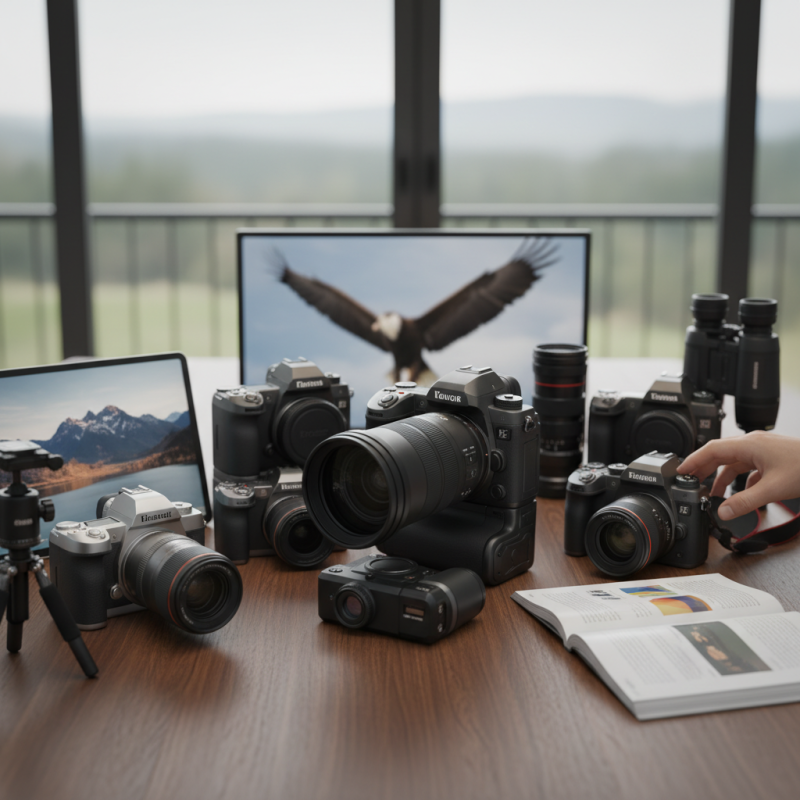
When considering a long-range camera, key features play a crucial role in meeting your specific needs. One of the most important aspects is zoom capability. A higher optical zoom lets you capture distant subjects clearly without sacrificing image quality. Additionally, check the camera’s sensor size. Larger sensors typically perform better in low light conditions, which can enhance your shooting experience.
Another vital feature is the autofocus system. A reliable autofocus system ensures you're capturing sharp images, particularly when focusing on fast-moving objects. Battery life should not be overlooked either. Longer battery life allows you to shoot for extended periods without the worry of recharging frequently. Also, consider the weight and size of the camera. A heavier model may affect portability, especially during outdoor adventures.
Lastly, durability matters. Look for cameras built to withstand varying weather conditions. Protection against dust and moisture can be a game changer during outdoor shoots. Every feature should align with how you plan to use the camera. Reflect on your priorities: Do you need portability over image quality, or is battery life more critical than zoom? These reflections will help guide you in making the best choice.
Assessing Your Photography Needs and Use Cases
Choosing the right long-range camera starts with understanding your unique photography needs. Are you capturing landscapes, wildlife, or sports? Each scenario demands different capabilities. For instance, fast autofocus may be crucial for action shots, while high resolution is vital for detailed landscapes.
Tips: Consider what you’ll mostly shoot. If it's wildlife, look for a camera with a longer zoom range. If you’re into portraits, prioritize image quality over reach. Test the weight and feel of the camera. Heavier models can be tiring during long outings.
Another key aspect is the versatility of lenses. Many long-range cameras offer interchangeable lenses, allowing you to adapt to various situations. Reflections on your skills can help too. Are you comfortable with manual settings? If not, a user-friendly model may be best.
Tips: Experiment with different settings before a critical shoot. Understand how distance affects focus and depth of field. Review shots you’ve taken and note any difficulties. This practice can guide your future choices.
Evaluating Image Quality and Lens Options for Long Range Cameras
When selecting a long-range camera, image quality is paramount. Look for cameras that offer high resolution and low-light performance. A camera with at least 20 megapixels is ideal for capturing detailed images at a distance. Pay attention to the sensor size; larger sensors often deliver better image quality.
Lens options greatly influence your photography experience. A versatile zoom lens can provide flexibility for various shooting scenarios. Consider lenses with fast apertures, as they allow more light to enter, which enhances image clarity. Experimenting with different focal lengths can help pinpoint your ideal setup.
Choosing the right long-range camera involves understanding your specific needs and preferences. Don't rush into a decision; take time to evaluate different models. Testing cameras in stores can highlight both strengths and weaknesses. This hands-on approach can reveal details you may overlook in specifications alone. Reflections on your experiences will guide future choices and improve your photography journey.
Comparing Budget Options: Finding Value Without Compromise
When selecting a long-range camera, budget options can offer excellent value. Many affordable models meet various needs without sacrificing quality. You don't need to empty your wallet to capture stunning images from afar. Look for features like optical zoom capabilities and image stabilization, which greatly enhance your shooting experience.
Tips for choosing a budget camera: Consider your primary use. Will you shoot landscapes, wildlife, or events? Look for a model that excels in your chosen area. Check online reviews and user feedback to gauge reliability and performance. Remember, sometimes cheaper options surprise you with their quality.
Don’t overlook used or refurbished cameras. These can provide significant savings and still deliver great results. Ensure the camera's condition is reliable and verify its return policy. Embrace this journey of exploration; you might find that perfect match in an unexpected place.
Reading Reviews and Expert Recommendations for Informed Choices
Choosing the right long-range camera can be daunting. Reading reviews critically can illuminate essential features. Experts often highlight image quality, zoom capabilities, and stability. These aspects are crucial for capturing distant subjects clearly. Look for insights on user experiences. Real-world feedback can reveal strengths and weaknesses not mentioned in specs.
Pay attention to the details in reviews. Many cameras excel in specific areas. Some may struggle in low light, while others perform poorly in fast motion. Consider what matters most to you. Are you shooting wildlife, landscapes, or sports? Understanding your needs helps narrow your choices.
It’s important to recognize the limitations of reviews. Personal preferences vary; what works for one may not work for another. Some users may overlook vital features that might be essential for you. It’s wise to weigh multiple perspectives. This practice builds a more rounded view of potential cameras. Reliable sources often add credibility to your final decision.