How to Choose the Best Forklift Collision Detection System?

In today's fast-paced industrial environments, ensuring safety is paramount, especially around forklifts. Accidents involving forklifts account for a significant percentage of workplace injuries. According to a report by the National Institute for Occupational Safety and Health (NIOSH), over 100 fatalities occur annually due to forklift-related incidents. This underlines the urgent need for effective systems.

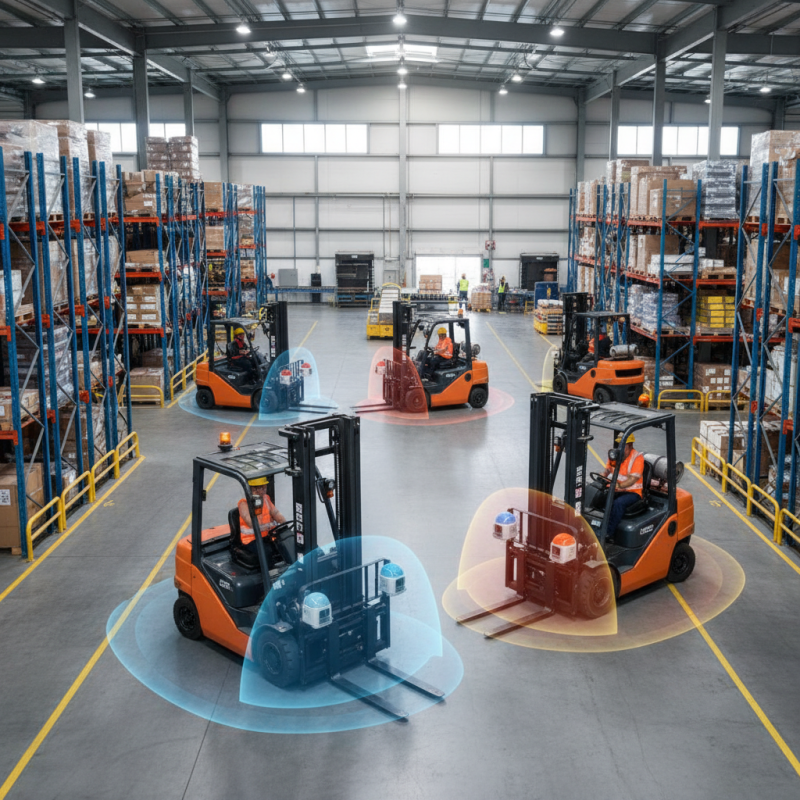
A Forklift Collision Detection System can drastically reduce these risks. Industry expert John Smith, a safety consultant with over two decades of experience, emphasizes, "The right detection system transforms the safety landscape." Such systems utilize advanced technology to monitor surroundings and enhance awareness, offering real-time alerts to operators.

Choosing the right Forklift Collision Detection System is crucial. Each facility has unique challenges and layout considerations. A one-size-fits-all approach may lead to inefficiencies or overlooked risks. It is essential to analyze your specific environment and workforce needs, ensuring the selected system provides maximum protection and efficiency.
How to Choose the Best Forklift Collision Detection System?

Factors Affecting the Selection of Forklift Collision Detection Systems

When selecting a forklift collision detection system, several factors come into play. The type of environment is key. Is it a warehouse or a construction site? Different settings may require unique features. In busy warehouses, dense traffic and tighter spaces demand systems with advanced detection capabilities. On construction sites, more robust and durable systems might be necessary.

Tips: Consider proximity sensors for tight areas. They provide immediate feedback to operators. Cameras can enhance visibility, especially in blind spots. Regular maintenance of the system is crucial. A system that fails to perform can create risks.

Another factor is the integration with existing equipment. Compatibility ensures smooth operation. An incompatible system can lead to confusion and accidents. Employee training is vital. Workers must understand how to use these systems effectively. Limited training may reduce the system’s effectiveness.

In conclusion, choosing the right system is not straightforward. Testing different options can reveal their strengths and weaknesses. Sometimes, what appears beneficial can come with hidden costs or complexities. It's essential to evaluate all aspects thoroughly before making a decision.

Understanding Different Types of Forklift Collision Detection Technologies

When selecting a forklift collision detection system, it’s crucial to understand the various technologies available. Proximity sensors are common in many warehouses. They detect nearby objects and alert operators. These systems can prevent accidents by providing real-time feedback, but they can sometimes trigger false alarms. Operators need to stay vigilant, as sensor failure can also occur.

Another option is camera-based systems. These use advanced imaging to monitor the area around forklifts. They provide visual feedback to operators, enhancing awareness of surroundings. However, reliance on cameras may lead to blind spots if not properly installed. The effectiveness depends on the lighting conditions and the cleanliness of the camera lenses.

Laser-based detection systems are also gaining popularity. They offer precise distance measurements and can detect obstacles quickly. They may work well in busy environments, but setup can be complicated. Regular maintenance is necessary to ensure accuracy. Each technology has its pros and cons, raising questions about which system truly fits specific needs.

Key Industry Standards and Regulations for Collision Detection Systems

When selecting a collision detection system for forklifts, understanding industry standards is crucial. Key regulations help ensure safety in various work environments. Forklift operations should adhere to guidelines set by safety organizations. These standards often include requirements for sensor effectiveness and system responsiveness.

Different industries may have unique needs. For instance, warehouses require robust systems that function well in tight spaces. Sensor placement should be optimized to detect nearby objects or workers. However, some systems may have limitations, such as false positives or missed alerts. This is a gap that needs to be addressed. Regular reviews of the system's performance are essential.

Compliance with safety regulations is not just about meeting minimum standards. It’s about creating a safer work environment. Employers must invest time in training staff on how to use these systems effectively. Understanding the technology ensures that it functions as intended. However, relying solely on technology is risky; human oversight remains vital. Balancing technology and human vigilance can lead to improvements.

How to Choose the Best Forklift Collision Detection System? - Key Industry Standards and Regulations for Collision Detection Systems

Feature Specification Industry Standard Regulatory Compliance
Sensor Type LiDAR, Ultrasonic, Camera ISO 3691-1 OSHA Regulations
Detection Range Up to 30 meters ANSI/ITSDF B56.5 CDC Guidelines
Response Time < 100 ms ISO 26262 EPA Regulations
Installation Type Fixed, Mobile EN 15012 Local Safety Codes
Data Logging Yes ISO 9001 HIPAA Compliance (if applicable)

Evaluating the Cost-Benefit Ratio of Forklift Safety Systems

When considering a forklift collision detection system, evaluating the cost-benefit ratio is crucial. These systems can significantly reduce accidents, improving workplace safety. However, the initial investment can be substantial. It's essential to weigh potential savings from fewer accidents against the cost of implementation. Organizations must analyze their specific needs.

Tips: Look for systems that offer tiered pricing options. Some solutions cater to different budgets. This flexibility may help find a system that aligns with your financial plan.

Additionally, consider the total cost of ownership. Maintenance and training can add to your expenses. Ensure you understand all factors before making a decision. If the return on investment feels uncertain, it may be worthwhile to conduct a pilot test. This approach helps gauge effectiveness before full implementation.

Remember, the goal is to create a safer environment. Balancing costs with safety benefits can be challenging. Engage your team in discussions about safety priorities. They may offer valuable insights into the effectiveness of different systems.

Implementation and Maintenance Considerations for Detection Solutions

When considering a forklift collision detection system, implementation and maintenance are crucial. The technology must be integrated seamlessly into existing operations. According to a recent industry report, nearly 70% of workplace accidents involving forklifts result from operator error or poor visibility. This underlines the importance of choosing systems improving safety and efficiency.

Regular maintenance is a challenge. Systems require updates and calibration for continued effectiveness. Neglecting these tasks can lead to false alerts or system failures. Operators should receive training on how to handle the technology. Some organizations report a 50% reduction in accidents after comprehensive training. This shows that training is as important as the system itself.

**Tip:** Schedule routine checks on your detection system. This ensures it works correctly. Evaluate operator performance frequently. You might find areas needing improvement. Consider gathering feedback from users. Their insights can drive enhancements. Often, overlooked details can lead to significant safety improvements.