Why Choose a Reliable W Beam Supplier?
A reliable W Beam Supplier does more than offer a low price. The supplier should deliver sections that match the project specification, with clear material records, consistent dimensions, and dependable lead times. These details matter on site. A beam that arrives late or lacks traceable documentation can delay installation and complicate inspection.
The World Steel Association’s World Steel in Figures 2024 reports global crude steel production of 1,892.2 million tonnes in 2023. That figure shows the scale of the steel market, not the quality of any individual product. Buyers still need to check grades, tolerances, coatings, and documentation against the applicable project requirements. Quality-management expert W. Edwards Deming wrote, “Quality comes not from inspection, but from improvement of the production process” (Out of the Crisis, 1982). The principle applies to supplier selection: reliable processes matter before steel reaches the jobsite.
Ask for mill test certificates and verify that product markings match the paperwork. Confirm how the supplier handles rejected material, changes in delivery dates, and questions about specifications. Paperwork matters. So does a real person who answers clearly. A careful review cannot guarantee a flawless order, and supplier claims should not replace independent checks. That is an imperfect part of procurement: even good records require scrutiny. But choosing a supplier with transparent controls, relevant experience, and responsive communication can reduce avoidable uncertainty. This guide examines the practical questions that help buyers assess a W Beam Supplier before committing to an order.
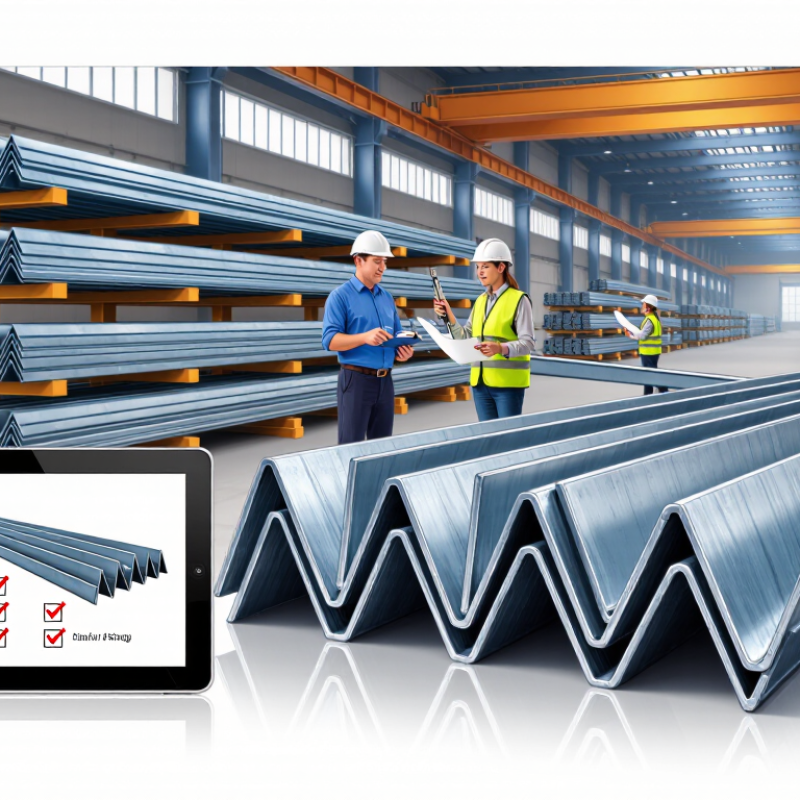
Understanding W Beam Specifications and Applications
A W-beam guardrail is a tested roadside system, not just a corrugated steel strip. Its performance depends on rail thickness, steel grade, splice details, post spacing, blockouts, and coating. AASHTO’s MASH 2016 evaluates highway safety hardware under defined impact conditions. For Test Level 3, testing includes a 2,270-kilogram pickup striking at 100 km/h and a 25-degree angle. That context matters: a rail’s appearance alone cannot confirm its crash performance.
Specifications vary by jurisdiction and system design. Check that the supplier’s drawings identify the required standard, material grade, dimensions, galvanizing, and compatible posts and fasteners. FHWA recorded 12,582 roadway-departure fatalities in 2022, underscoring the importance of correctly selected roadside barriers. A W-beam can help redirect an errant vehicle, but it is not suitable for every slope, hazard, or impact condition. Details matter.
During procurement, compare certified mill documents and coating records with the project specification. Confirm rail length, hole patterns, splice orientation, and finish; small mismatches can complicate installation. A drawing can look right and still mislead. Site geometry and tested-system requirements deserve a second check before ordering.
Evaluating Supplier Quality Standards and Certifications
A reliable W beam supplier should make its quality system easy to inspect, not just promise consistency. Ask for current ISO 9001 certification and check its scope. It supports controlled processes, but does not certify every beam.
For each order, request mill test reports showing heat number, steel grade, chemical composition, and mechanical properties. Match the report details to the tags on the bundles.
Small mismatch? Pause before unloading.
Check that the grade and dimensions meet project documents and applicable specifications, such as ASTM A992 and ASTM A6 where required. A knowledgeable supplier can explain flange width, web depth, straightness tolerances, and measurement methods.
Request traceability from test reports to bundles, plus inspection records for damaged edges or visible distortion. Paperwork should travel with the steel.
Sometimes it arrives late, and that is worth discussing before purchase. Third-party inspection can add confidence for critical orders, but clarify its scope, sampling rate, and acceptance criteria.
A polished certificate is not enough. Compare documents, labels, and actual measurements, and record any discrepancy in writing.
Assessing Production Capacity and Supply Reliability
A reliable W beam supplier should be assessed by its ability to meet real production needs, not just by a broad product list. Ask how many rolling or fabrication lines are available, which beam sizes they can produce, and what monthly output is committed to existing customers. Numbers need context. A high stated capacity may include work already booked, so request a realistic lead time for your specific section and quantity.
Supply reliability also depends on how the supplier handles disruptions. Check whether common sizes are held in stock, how raw material is replenished, and what happens if a production line stops. Ask for written delivery schedules and progress updates. Small details matter: a truck arriving one day late can leave a site crane and crew waiting. That cost may exceed a modest difference in unit price.
Quality records help confirm that capacity is usable, not merely advertised. Request mill test certificates, heat-number traceability, and inspection details for dimensions and straightness. Clarify how shortages or out-of-tolerance beams are resolved before placing an order. A factory visit can be useful, though it cannot predict every delay. I would avoid treating one successful shipment as proof of consistent performance; review several recent orders and note where promises were missed.
Comparing Technical Support, Lead Times, and Pricing
A reliable W beam supplier should explain technical details before quoting. Ask whether the beams meet the specified grade and dimensions, and request mill test reports and clear traceability. Good support also covers cutting, hole locations, and bundle identification. Small gaps matter. Confirm them before fabrication or installation, not when a truck arrives.
Lead times depend on more than stock status. Ask whether the quoted beams are physically available, when processing can begin, and whether delivery dates assume a complete order. Worldsteel’s World Steel in Figures 2024 reports global crude steel production of 1,892.2 million tonnes in 2023, up 0.1% from 2022. That broad supply figure does not guarantee a particular beam size is available locally. Request a dated schedule with shipping assumptions.
Compare pricing on the same basis: grade, length, processing, freight, and quantity. The World Bank’s April 2024 Commodity Markets Outlook projected metal prices would fall 5% in 2024; this is market context, not a forecast for a specific W beam quote. A low per-ton price may omit small-order fees or delivery costs. Ask how long the offer remains valid. One easy detail to overlook: a cheaper quote can cost more if its lead time disrupts the site schedule.
Reducing Project Risks Through Supplier Selection
Why Choose a Reliable W Beam Supplier?
Reducing Project Risks Through Supplier Selection
A dependable W beam supplier can reduce delays, material uncertainty, and costly site adjustments. Ask for mill test reports that identify steel grade, heat number, and relevant mechanical properties. Check that beam dimensions and tolerances match the project drawings. Small differences can affect connections and installation.
Details matter. Confirm how orders are tracked and how quickly the supplier reports production or shipping changes. A delivery schedule should account for cutting, loading, transport, and unloading—not just the date material leaves the yard. If beams need protective coatings, clarify the specified system and how damage during handling will be recorded. Vague answers are a warning sign.
Visit the facility when practical, or request recent inspection records and clear photographs of stored material. Compare the supplier’s documentation with the actual markings on delivered beams. Even a careful review has limits: paperwork can look complete while a batch still needs inspection. Price matters, but choosing the lowest quote without checking capacity, traceability, and communication may shift risk onto the construction team. A missed delivery is not always the supplier’s fault, either; project changes can create pressure on even a capable operation.