How to Choose the Right Process Equipment for Your Industry Needs?
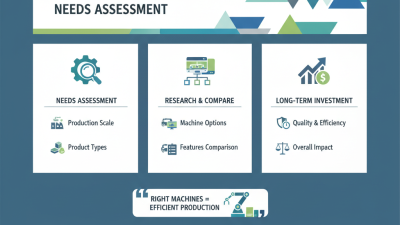
Choosing the right process equipment is crucial for any industry. The performance of your operations depends on it. Selecting suitable machinery can enhance efficiency and reduce costs. However, the decision-making process is often complex. Various factors come into play, including the type of materials used, production volumes, and specific industry requirements.
Identifying the perfect process equipment involves more than just comparing prices. It requires understanding the unique needs of your business. Inadequate equipment can lead to production delays and increased expenses. It's vital to consider both current and future needs. Equipment that meets today’s demands may not serve well in the future. Additionally, seeking expert input can sometimes uncover insights that might be overlooked.
Many industries experience challenges in their equipment selection process. Companies may feel overwhelmed by choices available. Misaligned equipment can hinder productivity instead of promoting it. Regular evaluations of needs can prevent costly mistakes. Ultimately, the right process equipment should align with your strategic goals and operational capacities.
Understanding the Specific Requirements of Your Industry
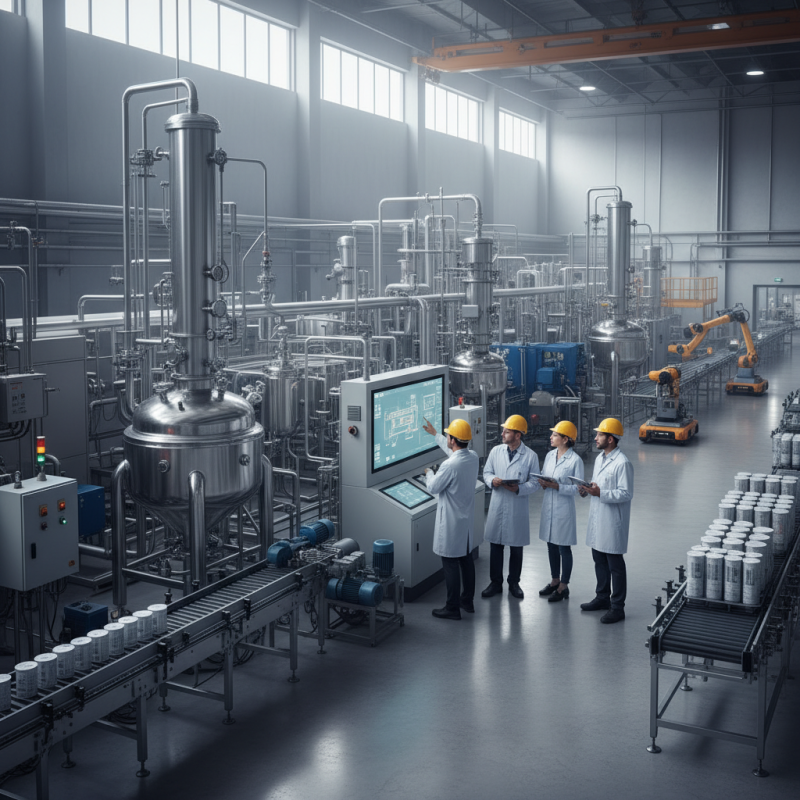
Choosing the right process equipment for your industry requires a deep understanding of your specific needs. Different industries have unique demands that can significantly influence equipment selection. For instance, in the pharmaceutical sector, equipment must meet strict regulatory standards. A report from the International Society for Pharmaceutical Engineering states that about 75% of all pharmaceutical equipment failures are tied to inadequate system design. Companies must consider this when making selections.
In the food and beverage industry, sanitary standards are paramount. According to the Food Processing Suppliers Association, 65% of manufacturers face challenges ensuring their equipment complies with safety regulations. This often leads to costly downtimes. These standards can dictate the materials used, the design of machines, and even the cleaning processes involved. For example, an outdated piece of equipment can compromise product quality, leading to recall incidents.
Industry specifics also dictate the level of automation desired. In the oil and gas industry, data from the International Energy Agency shows that automation can improve efficiency by up to 30%. Yet, not all companies are prepared to invest in such technology. Some may struggle with the transition from manual to automated systems. Reflecting on these aspects is crucial to ensure effective process equipment selection.
How to Choose the Right Process Equipment for Your Industry Needs?
| Industry |
Equipment Type |
Key Requirements |
Considerations |
| Pharmaceutical |
Bioreactors |
Sterility, scalability, material compatibility |
Regulatory compliance, validation requirements |
| Food & Beverage |
Pasteurizers |
Temperature control, batch size, cleaning |
Nutritional values, food safety standards |
| Oil & Gas |
Separators |
Pressure tolerance, material durability |
Environmental impact, efficiency |
| Chemical |
Reactors |
Corrosion resistance, mixing efficiency |
Hazardous materials handling, capacity |
| Mining |
Crushers |
Size reduction, wear resistance |
Operational cost, maintenance frequency |
Identifying Key Types of Process Equipment Available
Choosing the right process equipment is essential for your industry's needs. Various types of equipment suit different applications. Understanding these types can guide your decision-making.
Common types of process equipment include pumps, valves, and heat exchangers.
Pumps transport fluids, and they come in different designs. Each design serves specific fluid types and flow rates. Valves control fluid flow, and selecting the right valve can prevent leaks and ensure efficiency. Heat exchangers efficiently transfer heat, vital for many industrial processes.
Tips: Always consider the materials involved in your process. Compatibility is key, as some materials may corrode or not function well together. Conduct thorough research or consult experts to avoid costly mistakes.
Remember, not every type of equipment is ideal for all situations. Simple designs may have limitations, while complex systems might be challenging to maintain. Finding a balance between functionality and reliability is crucial. Investing time in understanding available options can be beneficial.
Evaluating Performance and Efficiency Metrics of Equipment
When selecting process equipment, performance and efficiency metrics are critical. Different industries have unique needs. Assessing these metrics helps ensure the equipment meets specific operational requirements. For example, energy consumption, speed, and output quality are key metrics to consider. A piece that uses less energy while maintaining high output can save money.
It’s also essential to analyze the equipment's uptime. Downtime can lead to significant losses. Assessing maintenance needs is crucial here. Some equipment may require frequent repairs, impacting efficiency. Look for data on reliability. Equipment with longer service intervals often proves more efficient in the long run.
Keep in mind that no piece of equipment is perfect. Sometimes, initial performance may not match expectations. This could result from several factors, including operator training or environmental conditions. Regular evaluation helps identify these issues. It allows for corrective actions that enhance productivity and ensure suitability for your industry’s demands. Balancing these aspects may require reflection and adjustments over time.
Evaluating Performance and Efficiency Metrics of Process Equipment
This chart compares various process equipment based on two key performance metrics: Efficiency (%) and Output Capacity (units/hour). The data illustrates the importance of choosing the right equipment based on these critical factors.
Considering Maintenance and Support Aspects in Equipment Selection
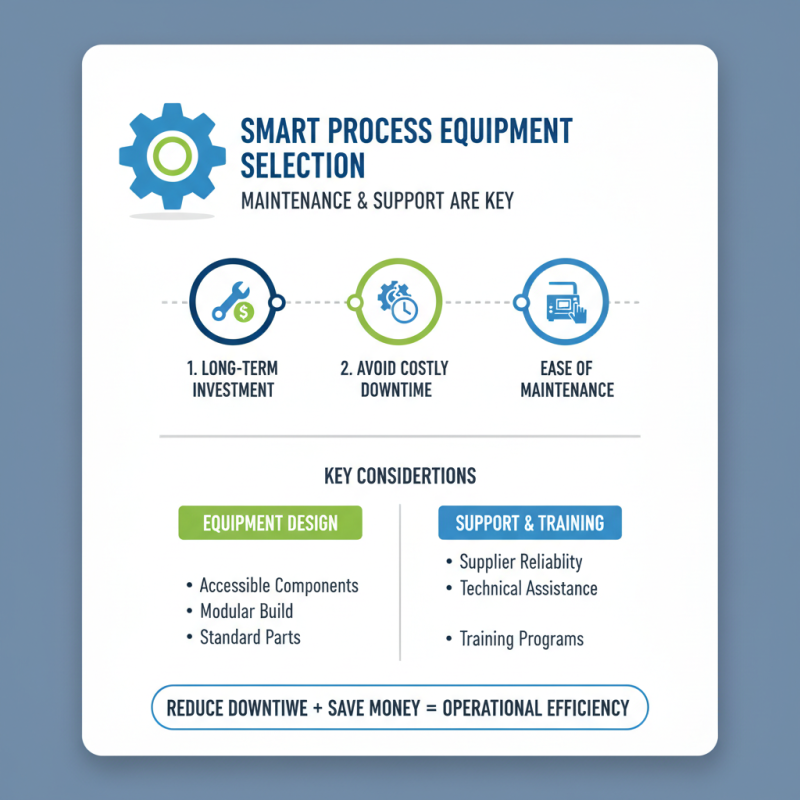
When selecting process equipment, maintenance and support should be top of mind. Equipment is a long-term investment. Frequent breakdowns can disrupt operations and lead to costly downtimes. Therefore, consider ease of maintenance. Equipment with easy access points for repairs can save both time and money.
Training personnel is also crucial. Proper training ensures that all staff can handle routine maintenance effectively. This can prevent small issues from becoming major problems. Support from manufacturers is essential, too. A reliable support team can provide timely assistance when needed. Review the availability of technical support before making a decision.
Another aspect is the documentation provided with the equipment. Clear manuals can aid in more effective maintenance. However, they might not always be user-friendly. Sometimes, they lack clarity. Feedback from users can help improve these resources. Understanding your team’s abilities and the equipment's demands is also vital. Balancing these factors can lead to a more satisfying equipment selection process.
Analyzing Cost-Effectiveness and Budget Constraints for Equipment Choices
When selecting process equipment, cost-effectiveness must be a priority. Analyzing your budget can reveal constraints. Equipment costs can vary greatly depending on the features and technology they offer. Some may seem appealing at first, but hidden costs can arise later.
Tips: Always consider maintenance expenses. Cheaper equipment might need more repairs, leading to higher long-term costs. Invest wisely by assessing these factors early on.
Another factor to weigh is operational efficiency. Choosing the right equipment can enhance productivity. For instance, automation may save labor costs but can be expensive initially. Compare the initial investment against potential savings.
Tips: Don’t forget to revisit your choices regularly. Needs evolve over time, and past decisions may not serve you well. Reflecting on this can help adapt your equipment to current industry demands.