How to Choose the Best Regenerative Oxidizer for Your Needs?
Choosing the best Regenerative Oxidizer can be challenging. With numerous options on the market, making an informed decision is crucial. A Regenerative Oxidizer is key for industries aiming to reduce VOC emissions and enhance air quality. Understanding your specific needs is essential before making a selection.
Consider the unique requirements of your operation. Evaluate the types of pollutants and the volume of air you need to treat. Each Regenerative Oxidizer offers different efficiencies, capacities, and costs. Your choice should blend performance and budget constraints. Don’t overlook the importance of maintenance and operational ease too.
Reflect on how various models align with your sustainability goals. Assessing long-term reliability is vital. It’s not merely about picking a model; it's about finding the right fit. Every detail counts in the decision-making process. Investing time in research can lead to significant operational improvements and cost savings down the line.
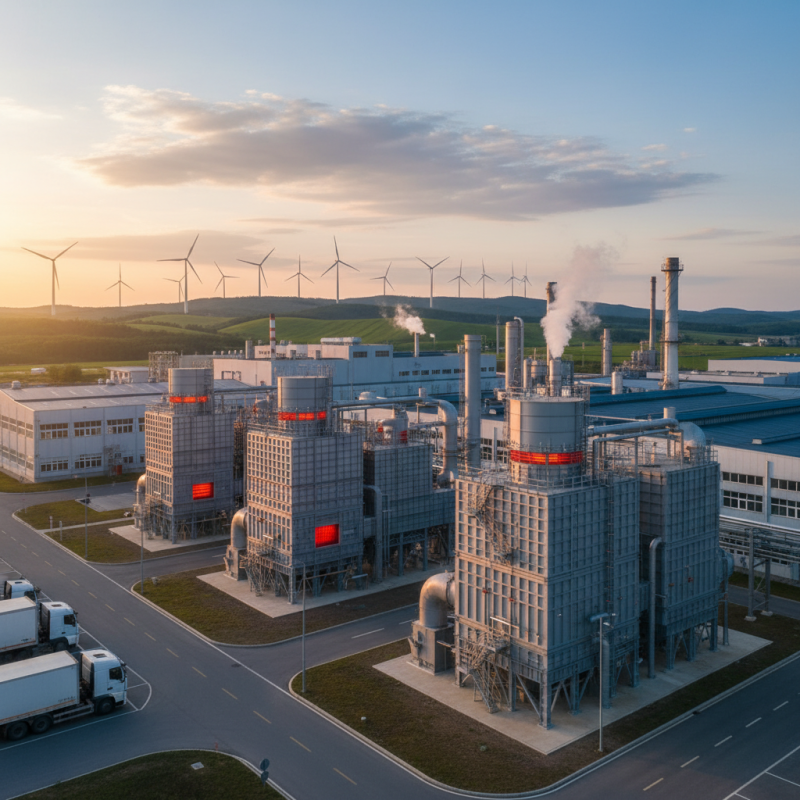
Understanding Regenerative Oxidizers and Their Functionality
Regenerative oxidizers play a crucial role in industrial applications. They are designed to efficiently treat volatile organic compounds (VOCs) and hazardous air pollutants. By capturing these emissions, regenerative oxidizers contribute to cleaner production processes. According to a report by the Environmental Protection Agency, VOCs account for nearly 50% of air pollution. This highlights the importance of effective oxidizer technologies.
Understanding how regenerative oxidizers function can simplify the selection process. These systems work by passing air through a catalyst that promotes oxidation. This heat recovery mechanism helps reduce energy consumption. A study by the American Institute of Chemical Engineers found that regenerative thermal oxidizers can achieve efficiency rates of over 95%. However, not all oxidizers are created equal. Factors such as temperature tolerance and flow rate significantly influence performance.
It’s essential to reflect on these factors while making choices. For instance, some systems may struggle to maintain efficiency under variable load conditions. Additionally, maintenance requirements can vary widely across different technologies. A well-informed decision balances efficiency with ease of operation. Understanding these complexities ensures that businesses meet environmental regulations while optimizing costs.
How to Choose the Best Regenerative Oxidizer for Your Needs?
| Parameter | Importance | Recommended Value | Notes |
| Temperature Range | High | 800-1000 °C | Vital for efficient oxidation. |
| Pressure Drop | Medium | < 100 mmHg | Lower values improve efficiency. |
| Material of Construction | High | Corrosion-resistant alloys | Essential for durability. |
| Energy Efficiency | High | > 90% thermal efficiency | Affects operational costs. |
| Footprint Size | Medium | Compact design preferred | Space-constrained environments. |
Assessing Your Specific Needs for Air Pollution Control
When selecting a regenerative oxidizer, assessing your specific air pollution control needs is crucial. Consider the types of pollutants present in your environment. For instance, volatile organic compounds (VOCs) might require different handling compared to particulate matter. Research shows that industries contributing to high VOC emissions must prioritize technologies that efficiently break down these compounds. According to a report by the EPA, VOCs contribute significantly to air quality deterioration, reinforcing the need for effective solutions.
Tips: Identify pollutant sources in your facility. A clear understanding of your emissions will guide your equipment choice.
Next, consider the volume of air that needs treatment. A regenerative oxidizer's efficiency hinges on its capacity to process air at your desired rate. Analyze historical data on your air emissions to gauge necessary flow rates. It’s essential to select an oxidizer that meets your peak operational needs without overcapacity, which can lead to unnecessary costs.
Tips: Evaluate your peak and average emission levels. Make adjustments based on seasonal variations in your production.
Lastly, think about maintenance and operational costs. A dependable system involves a balance of upfront investment and long-term operational expenses. Data from the International Journal of Environmental Research points out that some more complex systems have higher maintenance needs, potentially leading to more downtime. Striking the right balance can enhance reliability and performance over time.
Evaluating Different Types of Regenerative Oxidizers
When assessing regenerative oxidizers, it's essential to consider various types available. There are typically two main types: thermal and catalytic. Thermal oxidizers operate at higher temperatures, effectively breaking down volatile organic compounds (VOCs). They are reliable but can consume significant energy. On the other hand, catalytic oxidizers work at lower temperatures, making them more energy-efficient. However, they require precise conditions to function optimally.
Understanding the specific needs of your application is crucial. For instance, if your operation generates high VOC concentrations, a thermal system might be necessary. Yet, if reducing energy costs is a priority, a catalytic option may be more suitable. Reflect on your facility's operational parameters and environmental goals. Each facility has unique challenges, such as space limitations or varying pollutant loads. Therefore, evaluating these factors can guide you in selecting the right technology.
It's also important to consider maintenance and operational costs. Some oxidizers require frequent servicing, impacting long-term expenses. User experience can vary significantly, and what works for one facility might not fit another’s needs. Engage with manufacturers and previous users for insights. Their experiences can reveal potential pitfalls and highlight the important features to look for. Understanding the limitations of each type will help tailor the best solution for your situation.
Comparison of Different Types of Regenerative Oxidizers
Key Features to Look for in a Regenerative Oxidizer
When selecting a regenerative oxidizer, key features are crucial. Efficient thermal management is essential. A well-designed oxidizer minimizes heat loss, optimizing energy usage. This efficiency aids in reducing operational costs over time. Additionally, consider the material quality. Robust construction withstands harsh processes and ensures longevity.
Another feature is adaptability. Not all systems are identical; some handle varying waste streams better. It's essential to match the oxidizer with specific needs. The ability to adjust to changing conditions adds value. Maintenance ease also matters. Complex systems can lead to high downtime, affecting productivity. Simplicity in maintenance processes keeps operations running smoothly.
User support is another vital aspect. Reliable technical assistance fosters confidence in the chosen system. Clear documentation can help interpret complex processes. Remember, every choice has trade-offs. Challenges may arise with installation or efficiency expectations. Being prepared for adjustments can lead to improved outcomes over time. Focus on these key attributes to make an informed decision.
Comparing Cost-Effectiveness and Efficiency of Options
When evaluating regenerative oxidizers, cost-effectiveness and efficiency are paramount. According to a recent industry report, effective oxidizers can have energy efficiency rates exceeding 90%. This means less energy consumption and reduced operational costs over time. Many businesses overlook these savings, focusing solely on upfront costs. However, assessing lifetime costs provides a clearer picture.
Another crucial aspect is the material durability of these oxidizers. Some options may have lower initial prices but can require more frequent replacements. A study indicates that high-quality oxidizers might have a higher initial cost yet offer lower maintenance expenses, ultimately saving money long-term. Such data emphasizes the importance of considering both immediate and future costs.
In the quest for efficiency, it's essential to analyze performance metrics. Not all oxidizers perform equally under varying conditions. The ideal choice may vary based on specific operational demands. Failure to account for these factors can lead to suboptimal performance and increased costs. Some options might seem appealing at first but fail to deliver under pressure. Therefore, a thorough analysis of each option's functional reliability is vital for informed decision-making.