What is a Centrifugal Disc Finishing Machine and How Does It Work?
Centrifugal disc finishing machines are crucial in modern manufacturing. These machines streamline the process of surface finishing for parts and components. John Smith, an industry expert, states, "Efficiency and precision are at the heart of centrifugal disc finishing." This highlights the transformative impact of such technology.
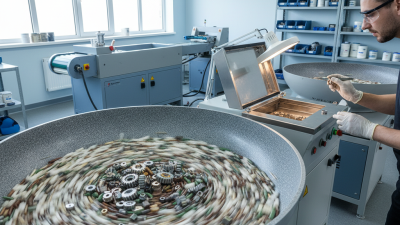
In operation, a centrifugal disc finishing machine uses high-speed rotation to create a powerful finishing action. The parts are placed inside a disc-shaped bowl. As the bowl spins, the action removes burrs and polishes surfaces effectively. This method offers consistent results, making it popular among manufacturers.
Despite their advantages, users must be cautious. The machines require proper calibration and maintenance. Improper usage can lead to uneven finishes or damage. Thus, continual assessment of the finishing process is necessary. In conclusion, the centrifugal disc finishing machine stands as a powerful tool, yet it demands careful management to harness its full potential.
What is a Centrifugal Disc Finishing Machine?
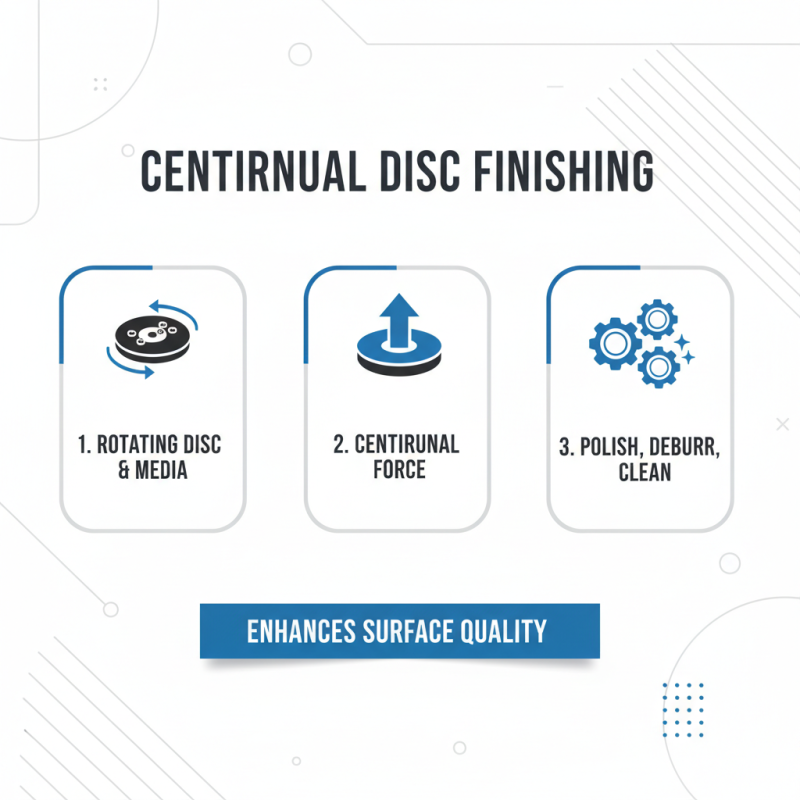
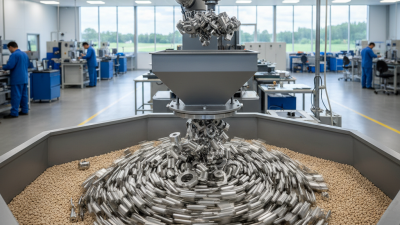
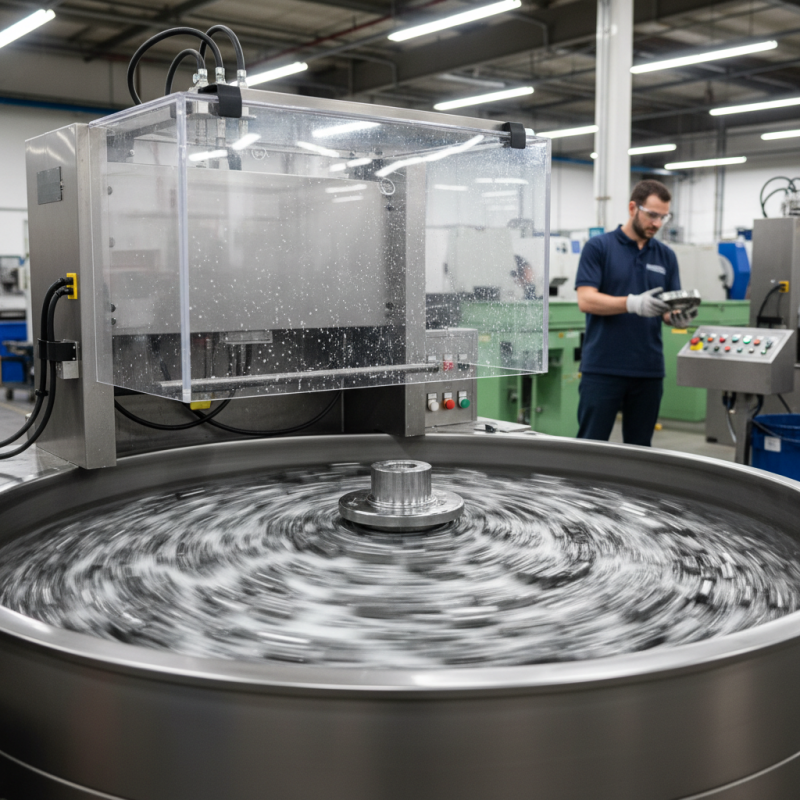
A centrifugal disc finishing machine is a powerful tool in the metal finishing industry. It uses centrifugal force to enhance the surface quality of parts. The process involves placing parts in a rotating disc filled with abrasive media. This media helps to polish, deburr, and clean the parts effectively.
As the disc spins, the parts are pushed against the media. The high-speed rotation creates a force that is much greater than gravity. This process is efficient for small to medium-sized components. However, it’s essential to monitor the duration and speed during operation. Over-processing can lead to unintended wear or damage to the parts.
This machine is versatile but not perfect. Operator experience plays a crucial role in achieving desired results. Adjusting parameters requires careful observation and sometimes trial and error. Users must be aware of the limits of their materials and be willing to adapt their approach. Each batch can present different challenges, making experience invaluable.
Key Components of a Centrifugal Disc Finishing Machine
A centrifugal disc finishing machine is essential in the metalworking industry. This machine effectively polishes and deburrs parts, enhancing their surface finish. The core components contribute significantly to its efficiency and functionality.
The main component is the processing bowl. It operates at high speeds, creating centrifugal forces. These forces propel the media and parts toward the wall, resulting in thorough surface treatment. Studies have shown that bowl designs can impact finishing times. Proper design allows for consistent and uniform results.
Another crucial aspect is the media used. Choosing the right media affects the finishing quality. Common materials range from ceramic to plastic. Each offers unique advantages. Industry reports state that ceramic media often provides quicker results but can be harsher on softer metals.
Furthermore, the drive mechanism is vital. It dictates the speed and power of the process. If not calibrated correctly, it can lead to uneven finishes. Regular maintenance of these components is necessary. Neglect can result in subpar performance and increased operational costs. Balancing these elements is key for optimal operation.
The Working Principle of Centrifugal Disc Finishing
Centrifugal disc finishing machines are key in surface treatment. They utilize centrifugal force for efficient finishing processes. The machine consists of a circular bowl and a rotating disc. As the disc spins, the components inside are propelled outward, allowing for high-energy contact.
The working principle relies on mass finishing technology. Studies indicate these machines can reduce finishing times by up to 90%. This efficiency is crucial in industries like automotive and aerospace. The centrifugal force significantly enhances the interaction between media and workpieces. The finish quality is often unmatched compared to traditional methods.
However, achieving uniform results can be challenging. Inconsistent media selection may lead to uneven surfaces. It requires skilled operators to balance speed and time properly. Many manufacturers report difficulties in optimizing processes. Continuous monitoring is essential to ensure quality. Identifying the right parameters can make a significant difference in outcomes.
What is a Centrifugal Disc Finishing Machine and How Does It Work?
| Feature |
Description |
| Machine Type |
Centrifugal Disc Finishing Machine |
| Working Principle |
Utilizes centrifugal force to finish parts with media. |
| Applications |
Deburring, polishing, cleaning, and surface preparation of metal, plastic, and composite parts. |
| Media Type |
Various types including ceramic, plastic, and natural media. |
| Advantages |
High-speed finishing, uniform results, and reduced processing time. |
| Processing Time |
Typically ranges from a few minutes to several hours, depending on the application. |
| Control Method |
Automated controls to adjust speed and processing time. |
| Health and Safety |
Includes safety guards and emergency stop features to ensure safe operations. |
Applications of Centrifugal Disc Finishing Machines
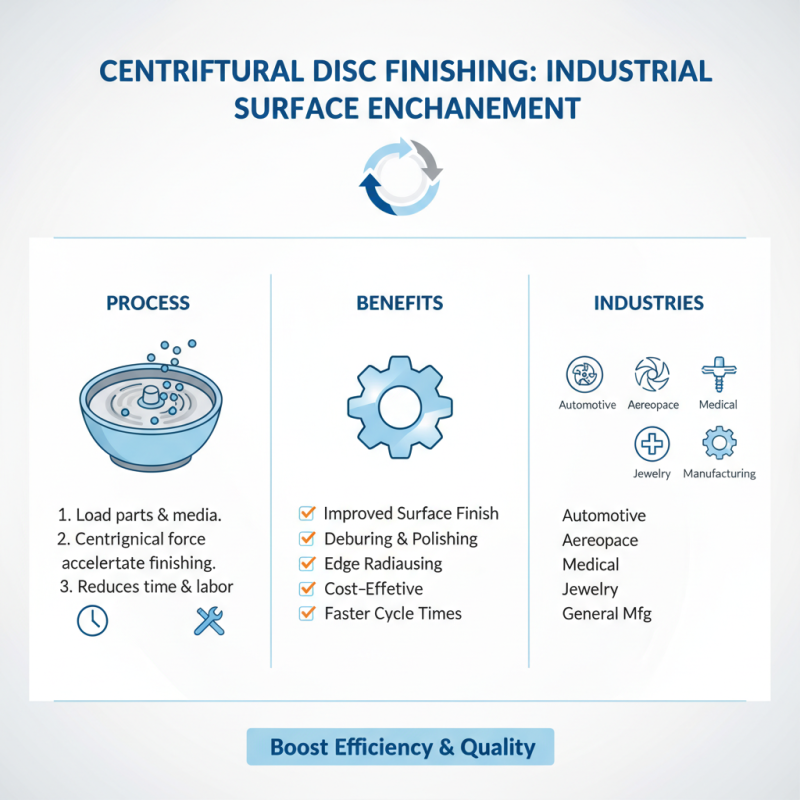
Centrifugal disc finishing machines have gained popularity across various industries. These machines are designed to enhance the surface finish of metal components. They use centrifugal force to accelerate the finishing process while reducing time and labor costs.
The applications are numerous. In automotive manufacturing, these machines prepare parts for improved adhesion of coatings. They also help in deburring and polishing small metal pieces, which is essential for quality control. Jewelry manufacturers benefit, as a smooth surface enhances the aesthetic appeal of their products. However, some may find it challenging to achieve uniform results on uneven surfaces.
It's crucial to recognize that not all materials respond well to this process. Certain alloys can be damaged if not controlled properly. Operators may need to experiment with different compounds to find the right balance. Learning from mistakes is vital in this field. Each batch may vary, and understanding the intricacies of material behavior is an ongoing journey.
Benefits and Advantages of Using These Machines
Centrifugal disc finishing machines offer notable benefits for surface treatment processes. They accelerate finishing tasks by using centrifugal force. This force enhances the interaction between the workpieces and the abrasive media. As a result, the process becomes significantly faster than traditional methods. The machine accommodates various shapes and sizes of parts, which adds versatility.
Another advantage is the consistent quality of the finish. The machine provides uniform results across all pieces. This consistency is crucial for industries requiring high precision. However, it is important to monitor the process closely. Overuse can lead to unintended wear on parts. Operators must adjust parameters carefully to maintain optimal performance.
Additionally, these machines reduce manual labor. Automation takes over many repetitive tasks, which minimizes human error. Fewer mistakes can lead to cost savings over time. Yet, reliance on automation might reduce skill development for operators. Balancing technology and human expertise is vital. Overall, centrifugal disc finishing machines offer compelling advantages but require thoughtful implementation.
Centrifugal Disc Finishing Machine: Benefits and Performance Analysis
The chart above illustrates the benefits and advantages of using a centrifugal disc finishing machine. It highlights significant improvements in efficiency, time reduction, surface finish quality, and operating cost reduction, showcasing the machine's effectiveness in industrial applications.