How to Calculate Breaking Capacity Of Rcd for Your Needs?
Understanding the Breaking Capacity Of Rcds (Residual Current Devices) is essential for ensuring electrical safety. The breaking capacity of RCD refers to its ability to safely interrupt a fault current without harm. Selecting the right RCD involves careful calculation tailored to your specific needs. This calculation is crucial as it minimizes risks and enhances protection against electrical shock.
When determining the breaking capacity of RCD, consider various factors. These include the expected fault levels in your electrical setup and the nature of your devices. A mismatch can lead to device failure or, worse, unsafe conditions. Every installation is unique, and assumptions may not hold true in all cases.
Practical experience reveals that many overlook these vital calculations. This oversight can lead to increased risks and potential hazards. Understanding how to accurately calculate the breaking capacity of RCDs is fundamental for both professionals and homeowners alike. It's not just about compliance but about creating a safer living environment.
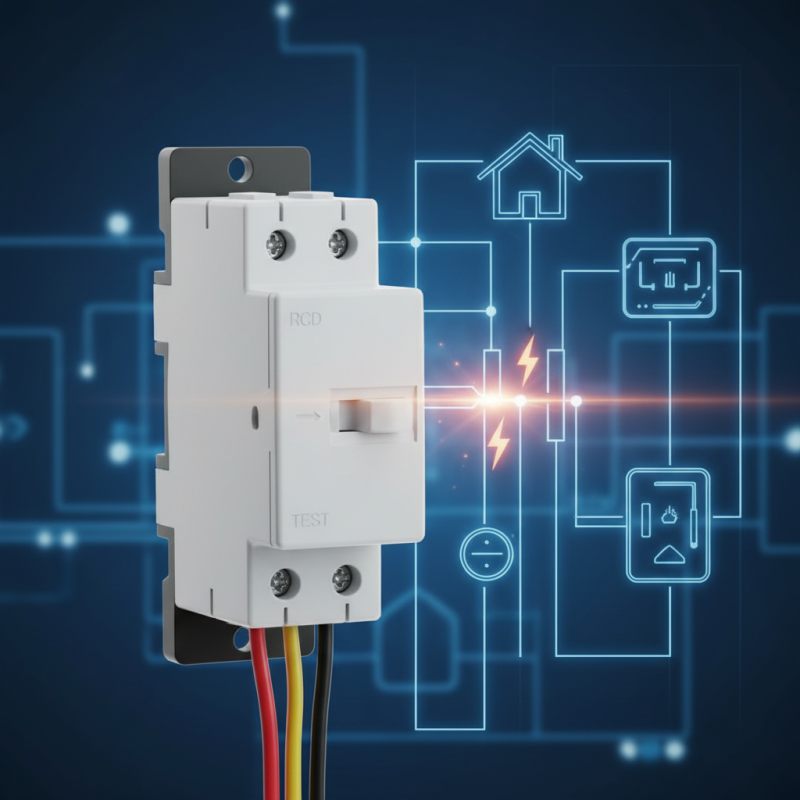
Understanding Breaking Capacity in Residual Current Devices (RCDs)
Residual Current Devices (RCDs) are essential for electrical safety. Understanding their breaking capacity is crucial for effective protection against electrical faults. The breaking capacity of an RCD refers to its ability to safely interrupt fault currents. This characteristic is vital for preventing fire hazards and electrical shocks.
Calculating the necessary breaking capacity involves assessing the potential fault currents in a specific installation. Factors such as the size of wiring and the overall electrical loads impact these calculations. A qualified electrician often performs these assessments. However, understanding your system can empower you as a homeowner. It also helps you communicate better with professionals.
Many people overlook the importance of RCD breaking capacity. This oversight can lead to inadequate protection. It is important to regularly review and update the electrical systems to match current safety standards. Investing time in understanding these components may save lives and property. Taking action can ensure that safety measures are reliable and effective.
Breaking Capacity of Residual Current Devices (RCDs)
This chart illustrates the breaking capacity in kiloamperes (kA) of different types of Residual Current Devices (RCDs). The data indicates the maximum fault current level that each type can handle, which is essential for electrical safety and protection in various applications.
Identifying Your Electrical Load Requirements for RCD Calculation
When calculating the breaking capacity of an RCD, understanding your electrical load is crucial. Begin by evaluating your home or workspace's power consumption. Consider regular appliances like refrigerators, washing machines, and lighting. Each device has a specific wattage. A simple breakdown helps identify your total load. Remember, underestimating or overestimating needs can lead to safety hazards.
Tips: Use a wattmeter for accurate readings. This device measures real-time consumption, ensuring you gather precise data for your calculations.
After pinpointing your load requirements, factor in any future expansions. New appliances or renovations can affect your load. It's wise to leave some margin in your calculations. This buffer protects against overloading and potential faults. Regularly reviewing your load is beneficial as it can change over time.
Tips: Create a checklist of all your appliances. This visual guide assists in tracking changes and helps adjust RCD capacities accordingly.
Key Factors Influencing the Breaking Capacity of RCDs
When determining the breaking capacity of Residual Current Devices (RCDs), several key factors come into play. The fault current levels present in an installation are critical. According to industry research, an RCD must handle potential fault currents that may arise during electrical failures. Reports suggest that environments with high inductive loads typically experience higher fault currents. Thus, precise calculations regarding these levels ensure effective protection.
Another important aspect is the prospective short-circuit current available at the point of installation. Typically, this value is influenced by the electrical supply system. An analysis from the Institute of Electrical and Electronics Engineers (IEEE) indicates that RCDs should be selected based on short-circuit levels that could breach safe operational limits. It is not uncommon for mismatches between RCD specifications and actual fault levels to occur. This gap can lead to improper device functioning.
Additionally, the application of the RCD affects its required breaking capacity. Domestic use may have different demands compared to industrial applications. Consequently, the environment should be evaluated for humidity, temperature variations, and potential environmental stresses. Understanding these aspects can prevent inadequate RCD selections, which may lead to safety risks. Regular assessments are vital; however, many professionals overlook this aspect.
How to Calculate Breaking Capacity Of Rcd for Your Needs? - Key Factors Influencing the Breaking Capacity of RCDs
| Criteria | Description | Recommended Value |
| Rated Current (A) | The maximum current the RCD can handle under normal operation. | 30A |
| Voltage Rating (V) | The maximum voltage for which the RCD is designed to operate. | 230V |
| Breaking Capacity (kA) | The maximum fault current the device can interrupt without damage. | 6kA |
| Type of RCD | Classifies based on sensitivity and application for better protection. | Type AC |
| Installation Environment | Whether the RCD is installed indoors or outdoors, and exposure to moisture or dust. | Indoor |
Step-by-Step Method to Calculate RCD Breaking Capacity
Calculating the breaking capacity of a Residual Current Device (RCD) is crucial for electrical safety. Understanding this calculation helps ensure that the RCD can handle fault currents without failure. The first step involves identifying the maximum prospective fault current (IP) at the RCD’s location. This data is generally available from your local electricity supplier. According to the Institution of Engineering and Technology, values can vary significantly, often ranging from 500A to 1000A in residential settings.
Next, apply the appropriate safety factor based on your specific installation conditions. A safety factor between 1.5 and 2 is typically advised to account for surges and other unexpected issues. A study published by the National Electrical Manufacturers Association emphasizes that selecting an RCD with a higher breaking capacity than the calculated fault current ensures reliability and enhances safety. For example, if your IP is 800A, opting for an RCD with a breaking capacity of at least 1200A would be prudent.
Consider also the environment where the RCD will operate. Factors like temperature, humidity, and chemical exposure can affect performance. It’s important to regularly assess these conditions. Over time, wear and tear on RCDs could lead to lowered efficacy. Consulting the latest technical guidelines can provide further clarity, but remember to reflect on your unique situation and not just industry norms.
Common Mistakes to Avoid When Calculating RCD Capacity
When calculating the breaking capacity of an RCD, various common mistakes can lead to significant issues. One common error is neglecting to assess the total load on the circuit. Measuring your appliances and devices accurately is crucial. Do not underestimate the demand your setups create.
Another frequent pitfall involves overlooking the manufacturer’s specifications. Every RCD has limits. Ignoring these can result in improper selections. Always refer to the product guidelines to ensure the chosen device meets your power requirements.
Tips for a successful calculation: start by adding up the wattage of all connected devices. Divide this sum by the voltage to find the current in amperes. This helps identify the right RCD formal. Also, remember to factor in potential surges, which could lead to tripping. Review the entire setup periodically. This will help ensure your calculations remain accurate, as new devices may change load dynamics.