What is the Best Vibro Machine for Your Business Needs?
In the fast-evolving world of industrial machinery, businesses constantly seek effective solutions to enhance productivity. The vibro machine is one such tool that has garnered attention for its efficiency in vibration technology. As industry expert Dr. Jane Foster puts it, "A vibro machine can transform operational efficiency when chosen wisely."
Choosing the right vibro machine for your specific business needs requires understanding various factors. Different industries have unique requirements that affect the decision-making process. From construction to food production, the application of vibro machines can vary significantly. It’s crucial to assess your particular demands.
It's easy to feel overwhelmed by the choices available. With various brands and models, how do you identify the best fit? You may need to consider machine specifications, maintenance needs, and operational costs. Reflecting on your priorities will guide you to a more informed choice in the vibro machine market.
Understanding the Basics of Vibro Machines and Their Functionality
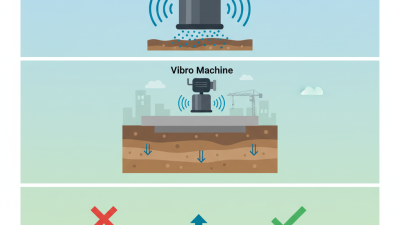
Understanding vibro machines begins with their functionality. These machines utilize vibration to enhance various processes. In construction and manufacturing, they help compact materials. This ensures a solid foundation for structures. Vibro machines can also aid in the separation of materials in recycling processes. Their design varies based on the specific needs of the business, making it crucial to choose wisely.
When selecting a vibro machine, consider its capacity and power. A machine that is too small may not meet your needs. Conversely, an oversized machine can lead to inefficiencies. Evaluate the material types you will work with. Different materials require different vibration frequencies. This ensures optimal performance and longevity.
An important reminder is maintenance. Regular checks can prevent costly breakdowns. Keeping the machine clean will enhance its functionality. Seek professional advice if unsure about the machine's operation. Understand that every workspace is unique. What works for one may not fit another. Always gather feedback from team members to refine your choices.
Identifying Your Business Needs for Vibro Machines
When selecting a vibro machine for your business, understanding your specific needs is crucial. Different industries have varying demands. For instance, construction firms may require machines for compacting soil, while manufacturing facilities often need them for process efficiency. Identifying these unique requirements can significantly impact productivity and overall efficiency.
Begin by assessing the materials you work with. The type and density of materials can dictate the kind of vibro machine you need. Are you working with granular soils or concrete mix? Each application has distinct vibration frequency and amplitude needs. It might also be helpful to consult with industry experts or engineers to gain deeper insights into operational demands.
Consider the machine's operational scale. Small businesses might not need heavy-duty equipment, while larger operations may require more robust options. Balancing the cost with functionality is vital. Collect feedback from your team during the selection process. They can provide valuable thoughts on usability and functionality. Thus, reflecting on your choices can lead to a more informed decision.
Vibro Machine Types and Their Usage in Various Industries
Comparing Different Types of Vibro Machines Available
When exploring vibro machines for business, understanding the types available is crucial. Vibro machines vary in function and design, each serving specific needs.
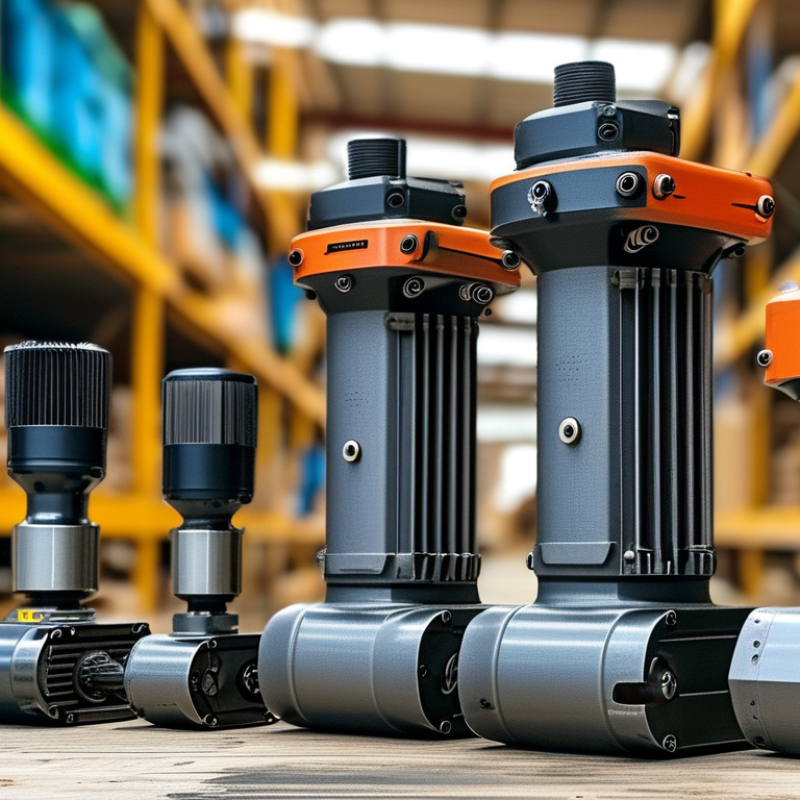
There are table vibrators, which are ideal for solidifying concrete and compacting materials efficiently. They offer consistent vibrations that lead to better compaction results. Another popular type is the handheld vibro tool, useful for smaller projects. Its portability can be an advantage, though it may not provide the same power as larger models.
Another aspect to consider is their power source. Electric vibro machines offer convenience and efficiency. In contrast, gasoline-powered options provide mobility to remote job sites. Each has its pros and cons. Electric machines are quieter but limited by power outlets. Gasoline machines can be noisy and require more maintenance. Evaluating the specific tasks your business undertakes will lead to a better selection.
Working with vibro machines can sometimes yield unexpected challenges. Maintenance schedules can be overlooked, leading to malfunction. Operators need training to avoid mishandling, which can result in poor outcomes. Even the best machines may underperform without proper care. Taking these factors into account ensures that your vibro machine meets your business's unique requirements.
Evaluating Key Features and Specifications for Optimal Performance
When selecting a vibro machine, it's essential to evaluate key features and specifications. Consider the machine's vibration frequency. This impacts the intensity of the treatment. A higher frequency may offer more effective results for certain applications. However, some operators may find lower frequencies more manageable for longer sessions.
Another crucial aspect is the build quality. A robust machine with durable materials ensures longevity and reliability. Pay attention to the design. Convenient features like adjustable settings can enhance user flexibility. Machines that allow user customization often result in better outcomes. Users can tailor their experience to fit specific needs.
Additionally, feedback from users can be insightful. Many share their experiences regarding ease of use and effectiveness. Machines that receive consistent praise tend to indicate good performance. However, you may find conflicting reviews about certain aspects. It’s valuable to reflect on these differences when making choices. A machine that excels in one feature may underperform in another. Thus, thorough research remains key when selecting the right vibro machine for your business.
Making an Informed Decision: Cost vs. Quality in Vibro Machines
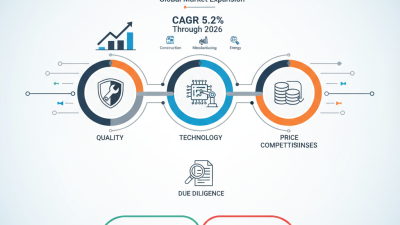
When considering a vibro machine for your business, cost and quality are critical factors. A 2023 industry report shows that businesses often prioritize initial costs over long-term value. However, skimping on quality can lead to higher maintenance expenses and shorter machine lifespans. Investing in a reliable vibro machine could save you money in the long run.
High-quality vibro machines often feature more durable components. Reports indicate that companies using premium equipment experience up to 30% fewer operational disruptions. It's essential to analyze your specific needs and the potential return on investment. A cheaper option may seem appealing, but it’s crucial to be wary of hidden costs associated with repairs and replacements.
Proper research is necessary. Look into customer reviews and professional insights. Engage with industry forums to gauge real-world performance. Finding a balance between cost and quality may require a little patience and reflection. Each business is unique. It's important to align machine capabilities with your throughput requirements. Using analytics tools can assist in making informed decisions, helping to clarify the impact of your choice on operational efficiency.
What is the Best Vibro Machine for Your Business Needs?
| Machine Type |
Cost ($) |
Quality Rating (1-10) |
Weight Capacity (kg) |
Warranty (Years) |
| Vibro Machine A |
2500 |
8 |
500 |
2 |
| Vibro Machine B |
4000 |
9 |
800 |
3 |
| Vibro Machine C |
3500 |
7 |
700 |
2 |
| Vibro Machine D |
3000 |
6 |
600 |
1 |