What Is the Best Screw Air Compressor for Your Needs?
In today's industrial landscape, the choice of a Screw Air Compressor is crucial. According to the International Energy Agency (IEA), compressed air systems account for about 10% of a plant's energy costs. This emphasizes the importance of selecting an efficient compressor. Many businesses rely on these systems for reliable operations. However, not all compressors are created equal.
Recent reports indicate that the global market for screw air compressors is expected to grow significantly. This growth reflects the rising demand for energy-efficient solutions. Industries are quickly adopting advanced technology to optimize performance. Yet, with many options available, the decision can feel overwhelming. Understanding your unique needs is essential to make the right choice.
Choosing a suitable Screw Air Compressor requires more than just cost considerations. It involves understanding specific requirements, like airflow needs and duty cycles. While some may rush to make a decision, it’s vital to research and reflect on options. Don’t overlook maintenance and support either, as these can impact long-term efficiency.
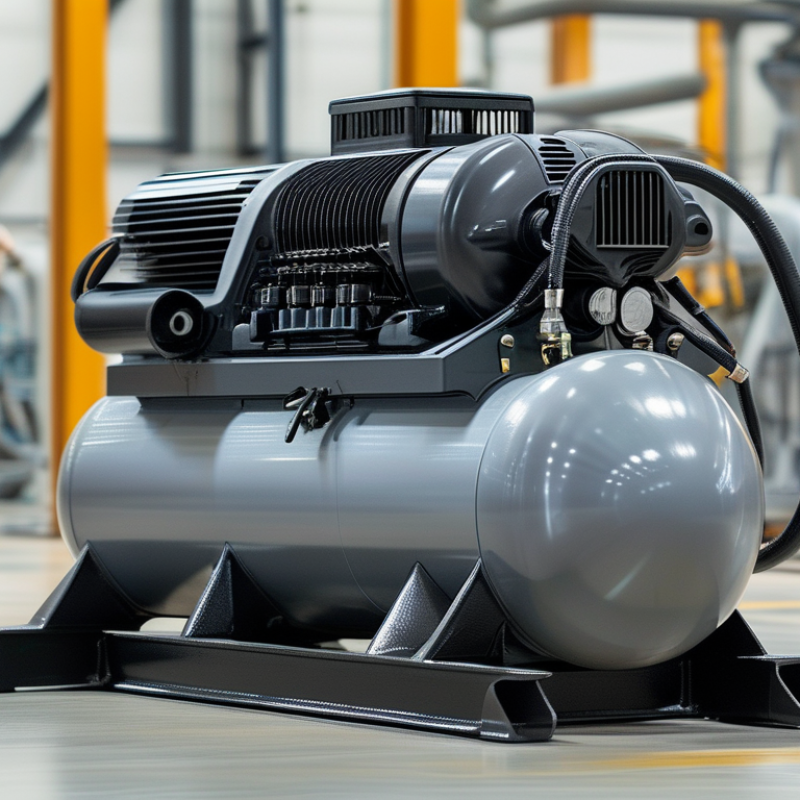
Understanding Screw Air Compressors: Types and Applications
Screw air compressors are popular in various industries due to their versatility and efficiency. They come in different types, each suited for specific applications. Oil-injected screw compressors are widely used for heavy-duty applications, ideal for construction sites. They provide a steady flow of compressed air that meets high-demand tasks effectively.
On the other hand, oil-free screw compressors are perfect for industries that require clean air, like food and pharmaceutical sectors. These compressors eliminate oil contamination, ensuring product safety. Understanding the application is crucial when choosing the right type.
Tips: Consider the needed air pressure and flow rate. Evaluate the environment and possible contaminants. Regular maintenance is essential to ensure reliability and performance. Monitor performance indicators to prevent potential issues. Be prepared to reassess your choice as your needs may change over time.
Key Specifications to Consider When Choosing a Screw Air Compressor
When choosing a screw air compressor, key specifications play a significant role. First, consider the compressor's airflow capacity. This value, measured in cubic feet per minute (CFM), indicates how much compressed air the unit can deliver. For most industrial applications, a higher CFM can efficiently power tools and equipment. Small-scale operations, however, may require a lower CFM, which could save costs.
Next, examine the pressure rating, measured in pounds per square inch (PSI). This specification affects the performance of pneumatic tools. Different tasks require varying pressure levels. It’s essential to analyze your specific needs. A mismatch can lead to equipment inefficiency.
Moreover, energy consumption is a vital factor. Compressors that operate efficiently can lower operational costs over time. Look for models with variable speed settings. These can adjust airflow and pressure to your needs, which enhances energy savings. Noise level is another specification often overlooked. High noise levels can affect working conditions. Consider models designed for quieter operation.
In reviewing these specifications, reflect on your long-term needs and applications. A well-chosen compressor can significantly improve productivity. However, each choice might have trade-offs, like cost versus performance. Understanding these elements is crucial for a satisfactory purchase.
Comparative Analysis of Popular Screw Air Compressor Brands
When choosing a screw air compressor, it's vital to understand the key differentiators among various brands. Each manufacturer offers unique features aimed at different user needs. For instance, some compressors prioritize energy efficiency, while others focus on durability and ease of maintenance. Users should assess the specific requirements of their operations. Do you need a compact model for tight spaces? Or is high power output your priority?
Examining the reliability of performance is crucial. Some brands showcase impressive endurance under continuous use, while others might falter during demanding tasks. Researching performance metrics helps in comparing these products effectively. Another factor to consider is noise levels. In environments where sound control is essential, low-decibel options can be a game changer. It's essential to seek models with robust build quality and reputable customer feedback. That guidance can reveal a product's true reliability.
While features are important, potential flaws often require careful thought. Some compressors may lack essential support services or spare parts availability. It's wise to reflect on what level of support is necessary for your operations. Observing user experiences can illuminate the long-term reliability of different brands. Ultimately, understanding the nuances between them will empower you to make an informed choice.
Energy Efficiency Ratings and Their Impact on Operating Costs
Energy efficiency is a crucial factor when selecting a screw air compressor. A study from the U.S. Department of Energy indicates that energy costs can account for up to 80% of the total lifecycle costs of these compressors. Thus, choosing a model with superior energy efficiency ratings can significantly reduce operating expenses. Compressors with high efficiency ratings often use advanced technologies. These technologies minimize energy consumption while ensuring optimal performance.
Moreover, understanding energy efficiency classifications is vital. Efficient compressors typically have energy efficiency ratings expressed in kW/cfm (kilowatts per cubic foot per minute). A recent report by the Compressed Air and Gas Institute suggests that compressors with a rating below 7 kW/cfm are considered excellent. However, many standard models fall short of this target, potentially leading to inflated energy expenses. While these ratings provide valuable insight, they may not fully capture operational realities, necessitating a closer evaluation of specific usage patterns.
In addition, regular maintenance impacts efficiency. Neglecting checks can reduce a compressor's performance, leading to increased energy usage. An overlooked air leak can waste up to 30% of the compressed air produced. Evaluating compressor performance regularly can ensure energy efficiency remains optimal. Awareness of these elements can guide informed decisions when selecting the most appropriate screw air compressor for your needs.
What Is the Best Screw Air Compressor for Your Needs? - Energy Efficiency Ratings and Their Impact on Operating Costs
| Model | Power (kW) | Pressure Range (bar) | Flow Rate (m³/min) | Energy Efficiency Rating | Estimated Operating Cost (annually in $) |
| Model A | 22 | 7 - 10 | 2.5 | A | $1,500 |
| Model B | 37 | 8 - 12 | 3.5 | B | $2,000 |
| Model C | 30 | 6 - 10 | 4.0 | A+ | $1,800 |
| Model D | 45 | 7 - 12 | 5.0 | B+ | $2,500 |
Maintenance Requirements and Lifespan of Screw Air Compressors
Screw air compressors are known for their efficiency and durability. However, understanding their maintenance requirements is crucial for maximizing lifespan. Regular maintenance not only ensures optimal performance but also prevents costly downtime. According to industry reports, proper servicing can extend a screw compressor’s lifespan to over 15 years, whereas neglect can reduce it significantly.
A key aspect of maintenance is oil change. This should occur every 3,000 to 6,000 hours of operation. The lubricating oil used is vital for the compressor’s function, as it reduces friction and wear. Filters also need to be inspected and replaced regularly. Dirty filters can cause overheating, which stresses the machine. A simple inspection can save you from extensive repairs.
Tips: Always keep a maintenance log. This helps track service intervals and can highlight patterns of wear. Additionally, consider setting reminders for oil changes and filter replacements. Engaging with a qualified technician is recommended for annual check-ups. This proactive approach can reveal hidden issues early.
Neglecting maintenance can lead to performance drops. Many users forget about the heat exchangers, which can accumulate dust and debris. This can hinder efficiency. Balancing maintenance efforts with operational demands is a challenge but is essential for ensuring reliable compressor function. Thus, continuous learning and adaptation is necessary in the fast-paced industry of air compression.