
In the construction industry, the choice of materials greatly impacts the project's success. One of the key players in modern construction is the stainless steel keel. This versatile component offers numerous advantages that can enhance the durability and stability of structures. Stainless steel keels are known for their strength and resistance to corrosion, making them a reliable option for various building applications.
The use of stainless steel keels can lead to long-term cost savings. While the initial investment may be higher, its longevity reduces the need for frequent replacements. This can be a significant benefit in budget management over time. However, many still overlook this advantage, often focusing solely on upfront costs. This raises questions about material choice in construction, as short-term financial thinking can lead to long-term challenges.
Moreover, stainless steel keels contribute to energy efficiency. Their properties support better insulation and decrease maintenance needs. Yet, some contractors may hesitate to adopt them due to unfamiliarity. This reluctance can hinder progress in utilizing advanced materials in construction projects. Recognizing the benefits of stainless steel keels is crucial for developing innovative and sustainable building practices.
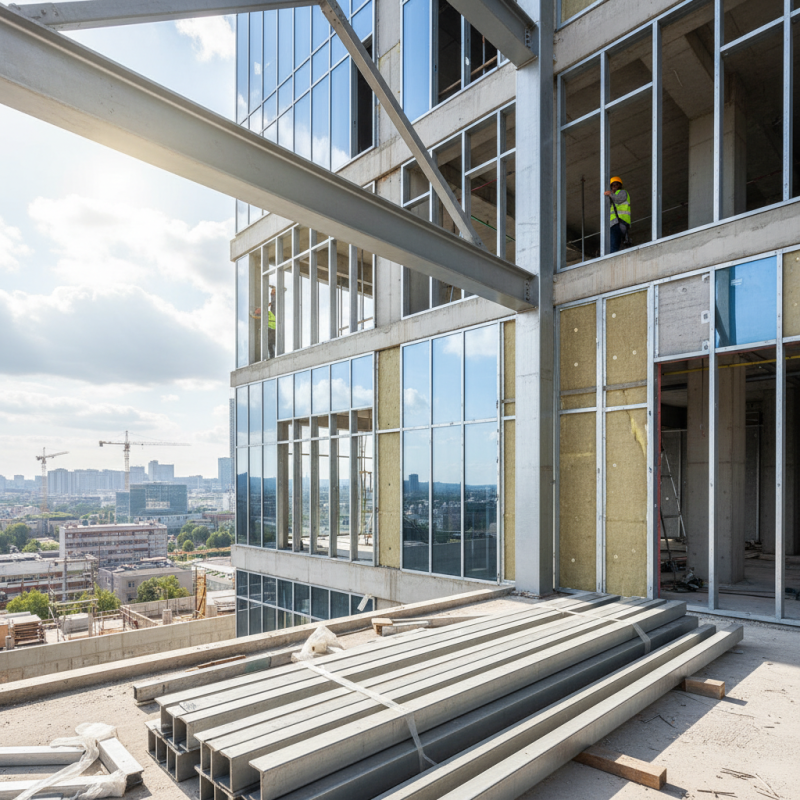
Stainless steel keels offer significant advantages in construction, especially through their corrosion resistance. According to industry research, stainless steel can withstand corrosion in harsh environments. This includes exposure to saltwater and chemicals, which typically cause deterioration in other materials.
A study by the International Stainless Steel Forum reported that stainless steel structures can last over 50 years with minimal maintenance.
The composition of stainless steel, which includes chromium, creates a protective layer. This layer prevents rust and extends the life of the keel significantly. For instance, in marine applications, traditional materials like wood and carbon steel often fail within a decade. In contrast, stainless steel maintains its integrity far longer, even in the face of environmental challenges.
While stainless steel is durable, it is also critical to consider cost implications. Initial investments can be higher than other materials. However, the longevity and low maintenance needs often offset these upfront costs. The durability means fewer replacements are necessary, leading to savings over time. Reflecting on these aspects helps gauge the true value of incorporating stainless steel in construction projects.
When it comes to construction, strength and durability are paramount. Stainless steel offers enhanced properties that make it an ideal choice for keels. Its ability to withstand corrosion means structures last much longer. This resilience is particularly beneficial in harsh environments, where traditional materials might fail.
Tip: Choose the right grade of stainless steel for your project. Different grades have varying levels of corrosion resistance. Some are better suited for marine applications, while others excel in construction environments.
Moreover, stainless steel's strength-to-weight ratio is impressive. This characteristic provides robustness without adding unnecessary heft. Lighter materials can lead to easier transportation and installation. However, ensure that weight reduction doesn’t compromise structural integrity.
Tip: Regularly inspect stainless steel elements during construction. Not everything looks perfect at first glance. Some hidden flaws may occur, and addressing them early can save resources later. Awareness of these potential issues promotes safer building practices.
Stainless steel keels offer significant cost-effectiveness over time. Their resistance to corrosion ensures longevity, reducing replacement costs. Many construction projects face budget overruns due to material degradation. Using stainless steel reduces these risks. For example, in marine structures, stainless steel performs exceptionally well. It withstands harsh environments without succumbing to wear.
Initial costs might be higher than other materials. However, stainless steel pays off over the years. Maintenance needs decrease drastically. This lower upkeep allows funds to be allocated elsewhere. A project manager might find less unforeseen expenditure. It’s essential to weigh these factors before deciding on materials.
Despite these advantages, some might hesitate due to upfront costs. Short-term savings can be tempting. Yet, the long-term benefits often outweigh these initial financial concerns. Planning for durability can enhance overall project value. Reflecting on choices in materials is crucial for successful construction.
| Benefit | Description | Long-Term Cost Savings | Maintenance Frequency |
|---|---|---|---|
| Durability | Stainless steel is highly resistant to corrosion, extending its lifespan. | Reduced replacement costs over time. | Low maintenance required. |
| Aesthetic Appeal | Modern and sleek appearance suitable for various designs. | Potential increase in property value. | Regular cleaning recommended but minimal upkeep. |
| Recyclability | Stainless steel is 100% recyclable, contributing to sustainability. | Savings on raw material costs in future projects. | N/A |
| Strength-to-Weight Ratio | Significant strength while being lightweight, enhancing structural integrity. | Lower costs in support structures and foundations. | Low maintenance required. |
| Resistance to Extreme Conditions | Withstands high temperatures and harsh chemicals. | Fewer repairs and replacements needed. | Infrequent checks needed. |
| Low Maintenance Costs | Requires minimal servicing compared to other materials. | Long-term financial benefits. | Annual inspections recommended. |
| Versatility | Applicable in various construction applications from residential to industrial. | Wide range of applications leads to diversified cost savings. | Routine checks needed based on application. |
| Thermal Conductivity | Effective at conducting heat while maintaining structural integrity. | Energy savings due to effective insulation. | Periodic evaluations recommended. |
| Health and Safety | Non-toxic and safe for various environments. | Lower healthcare costs related to material safety. | Regular safety audits suggested. |
| Enhanced Structural Properties | Improved impact resistance compared to traditional materials. | Minimized damage costs due to accidents. | Annual assessments recommended. |
Stainless steel has become a popular choice in construction. Its durability is impressive, but sustainability is a major concern. This metal's long lifespan reduces the need for replacements. Fewer materials are wasted over time. Using stainless steel helps in minimizing environmental impacts. It’s important to consider how materials affect our planet.
Recycling stainless steel is a significant advantage. This process uses less energy than producing new steel. It contributes to lower greenhouse gas emissions. However, recycling facilities vary in efficiency. Some still rely on high energy usage. We should ask if there’s room for improvement in this area. Even small changes can make a difference.
The aesthetic appeal of stainless steel is undeniable. Buildings using this material often require less maintenance. This means less resource consumption over the years. However, the initial carbon footprint for extraction remains an issue. The extraction process can be harmful to ecosystems. Exploring better methods is essential. It is crucial to weigh the benefits against the environmental costs.
Stainless steel keels offer remarkable versatility in construction. They can be used in various applications, from marine projects to industrial structures. Their superior resistance to corrosion makes them ideal for harsh environments. This is crucial in areas exposed to saltwater or chemicals. Builders appreciate how stainless steel maintains its integrity over time.
In addition to their durability, stainless steel keels are easy to work with. They can be fabricated into different shapes and sizes, improving design flexibility. However, the initial cost can be high. This may deter some budget-conscious projects. Yet, considering their lifespan, they often prove to be cost-effective.
This material also simplifies maintenance requirements. Unlike wood or other metals, stainless steel does not require regular treatments. Yet, some may overlook the learning curve in welding or installation. Proper techniques are vital for achieving optimal performance. Construction teams must be well-versed in current practices. Failure to do so can lead to inefficiencies down the line.
