Top 10 Benefits of Using Galvanized Nails for Your Projects?
Galvanized nails are gaining popularity in various construction projects. According to a report by the National Association of Home Builders, nearly 70% of builders prefer these nails for their durability and corrosion resistance. This trade-off is vital in regions with high humidity or heavy rainfall. Galvanized nails excel in preventing rust formation, ensuring the longevity of structures.
Contractors often overlook the importance of using the right fasteners. A misstep could lead to structural failures, wasting time and money. In fact, improper fastening can reduce lifespan by up to 50%, as noted by the Journal of Construction Engineering and Management. Choosing galvanized nails is a cost-effective choice in the long run, despite their higher upfront price compared to standard nails.
Furthermore, galvanized nails are versatile, suitable for wood, metal, and even concrete. It's essential to recognize that not all galvanized coatings are equal. A finite understanding of the various grades and their applications is necessary. This ensures that galvanized nails serve their intended purpose effectively, enhancing project outcomes. When used correctly, they provide significant benefits that can elevate the quality of construction work.
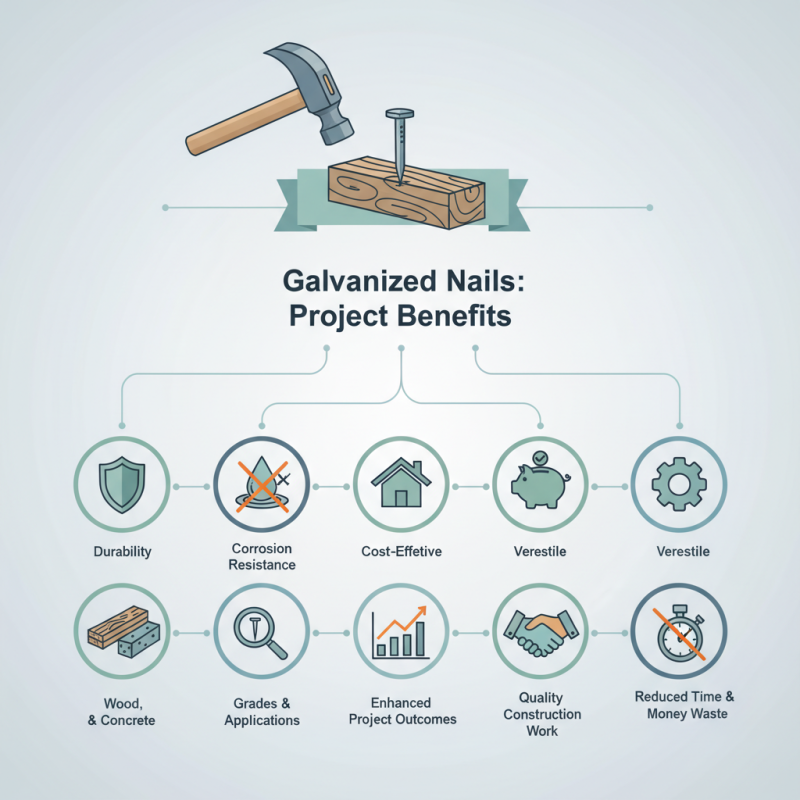
Benefits of Enhanced Durability with Galvanized Nails
Galvanized nails offer enhanced durability that many construction projects require. These nails are coated with zinc, which provides a protective layer against rust and corrosion. When exposed to moisture, untreated nails can quickly deteriorate. In contrast, galvanized nails maintain their integrity, ensuring a longer lifespan for your projects.
When using galvanized nails, consider the environment. If your project is in a humid area, these nails are essential. They withstand weather challenges better than standard nails. However, be mindful of using the correct size; oversized nails can split wood, leading to structural issues.
Tips: Always pre-drill holes in hardwood to avoid damage. This simple step increases the chances of a successful project. Check for manufacturer specifications regarding the compatibility of the nails with different materials. Remember, not all projects require galvanized nails. Weigh the necessity based on exposure to harsh conditions or moisture.
Top 10 Benefits of Using Galvanized Nails for Your Projects
This chart illustrates the top benefits of using galvanized nails over traditional nails, highlighting their enhanced durability and resistance to rust and corrosion.
Corrosion Resistance: Protecting Your Projects from the Elements
When it comes to construction and DIY projects, using galvanized nails offers significant benefits, especially concerning corrosion resistance. Galvanized nails are coated with zinc, which acts as a protective layer. This coating helps prevent rust and corrosion, making these nails ideal for outdoor projects. According to the National Association of Home Builders, about 90% of construction failures involve issues related to fasteners. This statistic underscores the importance of choosing the right materials.
Exposure to moisture can quickly deteriorate non-galvanized nails. A study by the American Society of Civil Engineers noted that unprotected steel can rust within months in humid environments. Galvanized nails, on the other hand, can last up to 10 times longer in similar conditions. The zinc acts sacrificially, protecting the underlying steel. However, it's crucial to choose the right gauge and length for optimal performance. An incorrect size can lead to structural weaknesses.
Despite their advantages, galvanized nails are not foolproof. Over time, the zinc can wear away, especially in harsh environments. The lifespan can be shortened if not properly installed. Corrosion can still occur if the nails are driven into chemically treated wood. Thus, while using galvanized nails significantly improves corrosion resistance, careful selection and application are essential for ensuring long-lasting results.
Cost-Effectiveness of Galvanized Nails in Construction
When considering construction projects, the cost-effectiveness of using galvanized nails is a crucial factor. Galvanized nails are coated with zinc, making them resistant to rust. This quality extends the lifespan of structural work, reducing future maintenance costs. In many cases, these nails offer a balance between initial investment and long-term value.
Using galvanized nails can also lead to better performance in various environments. For instance, they are ideal for outdoor projects where moisture levels are high. However, some contractors may overlook this and choose cheaper, non-galvanized options. This can result in quicker deterioration. A nail that rusts can compromise the integrity of a project, leading to repairs that far exceed initial savings. Reflecting on choices made for materials is vital in construction, as the right nail can make a significant difference in durability.
Keep in mind that while galvanized nails are a sound choice, mistakes can happen. Sometimes, the wrong size or type may be selected. Careful consideration of project specifications is needed to prevent oversights. Overall, the advantages of galvanized nails for cost-efficiency cannot be understated when done correctly.
Improved Aesthetic Appeal of Projects Using Galvanized Nails
Using galvanized nails in your projects can significantly enhance their aesthetic appeal. The shiny, rust-resistant finish of these nails adds a sleek look, making them suitable for visible applications. According to a report from the Construction Industry Research Board, projects that use galvanized nails see a 20% improvement in perceived quality. This effect can elevate the overall perception of craftsmanship.
The visual appeal of galvanized nails also extends to outdoor projects. Their durability against corrosion means they maintain their appearance longer than untreated alternatives. Outdoor structures like decks or fences look cleaner and more polished over time. Interestingly, a survey conducted by the Building Materials Association found that 75% of homeowners prefer galvanized nails in their home improvement projects for this very reason.
However, not all finishes offer the same results. Some users report that the shine can diminish if not properly maintained, leading to uneven aesthetic outcomes. It’s essential to consider the environmental impact of materials as well. While galvanized nails serve aesthetic purposes, their production involves high energy consumption.
Projects should weigh the benefits against their carbon footprint and consider sustainable options where possible. Balancing beauty and responsibility can lead to stronger, more visually appealing results.
Versatility of Galvanized Nails Across Various Materials and Applications
Galvanized nails are widely recognized for their versatility across various materials and applications. Whether you're working with wood, metal, or masonry, these nails offer reliable performance. They are coated with a zinc layer, which provides excellent corrosion resistance. This makes them suitable for both indoor and outdoor projects.
Using galvanized nails in woodworking projects is particularly beneficial. They prevent rust and decay, extending the life of your structures. However, some users find that they can be tricky to drive into harder woods. You might end up with bent nails if you're not careful. In metal projects, these nails hold well but can create a bit of friction. It’s essential to choose the right tools to minimize this issue.
In masonry, galvanized nails provide strong adhesion, but they may not always set as deeply as desired. This can lead to challenges in achieving the robust holding power needed for heavy applications. However, with proper technique and the right approach, the benefits often outweigh these minor setbacks. Ultimately, the versatility of galvanized nails is clear, but mastering their use requires practice and attention to detail.
Top 10 Benefits of Using Galvanized Nails for Your Projects
| Benefit | Description | Applications | Material Compatibility |
| Corrosion Resistance | Galvanized nails are coated with zinc, making them resistant to rust and corrosion. | Outdoor constructions, roofing. | Wood, metal. |
| Durability | These nails can withstand harsh environmental conditions. | Fencing, decking. | Pressure-treated wood. |
| Versatility | Suitable for a wide range of applications and materials. | Construction, carpentry. | Wood, deep-materials. |
| Improved Holding Power | Galvanized nails provide better holding power over time. | Structural applications. | Hardwood, softwood. |
| Cost-Effective | Longer lifespan reduces the need for replacement. | Various construction projects. | All types of wood. |
| Aesthetically Pleasing | The finish of galvanized nails enhances the look of projects. | Home improvement. | Visible wood surfaces. |
| Easy to Use | Galvanized nails can be easily hammered or driven into surfaces. | DIY projects. | Plywood, MDF. |
| Environmentally Friendly | Use of zinc coating is less harmful compared to other coatings. | Eco-conscious building. | All wood types. |
| Reduced Splitting | Galvanized nails minimize wood splitting compared to traditional nails. | Finish carpentry. | Fragile woods. |