Top 10 Benefits of Using HPMC for Liquid Detergents?
Liquid detergents have gained significant popularity in the cleaning industry. Their convenience and effectiveness make them a household favorite. The demand for liquid detergents is projected to grow at a CAGR of 4.5% from 2021 to 2026, according to industry reports. This growth drives the need for innovative ingredients, such as HPMC for Liquid Detergents.
Hydroxypropyl Methylcellulose (HPMC) plays a crucial role in formulating liquid detergents. It acts as a thickening agent, enhancing product texture and stability. According to a recent study, products with HPMC provide better viscosity and a smoother application. These benefits are essential for consumer satisfaction and repeat purchases. Moreover, HPMC is environmentally friendly, aligning with the increasing demand for sustainable cleaning solutions.
Despite these advantages, manufacturers must be cautious. The effectiveness of HPMC can vary based on concentrations and formulations. Some products may not achieve the desired performance, leading to mixed consumer feedback. It is vital for formulators to experiment with HPMC for Liquid Detergents to find the optimal balance. Ensuring consistent quality will be key in this competitive market.
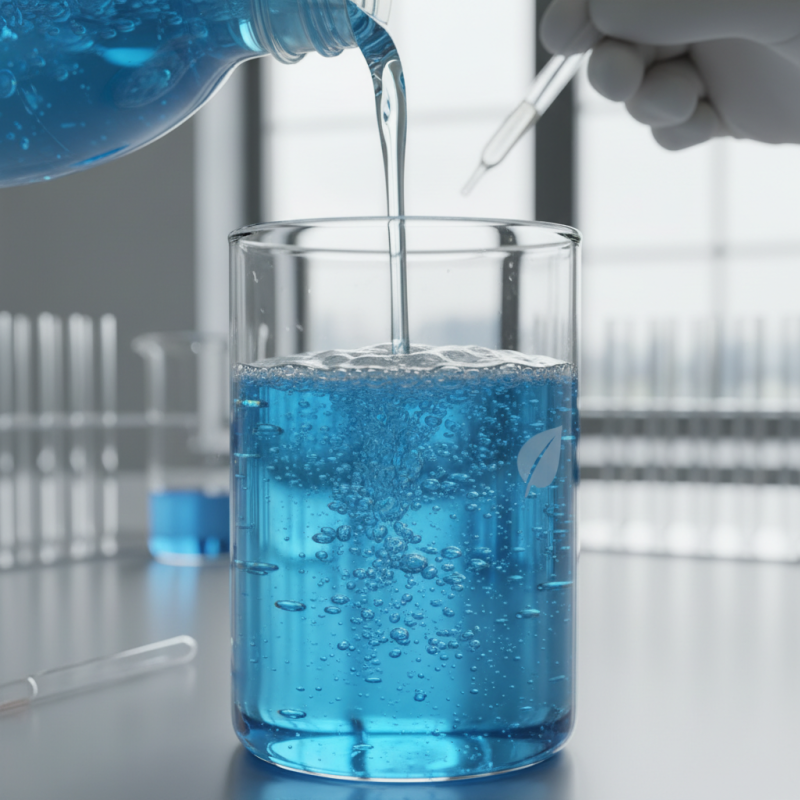
Understanding HPMC: An Overview of Hydroxypropyl Methylcellulose
Hydroxypropyl Methylcellulose (HPMC) is a versatile polymer derived from cellulose. It enhances the performance of liquid detergents. This natural compound is favored for its ability to improve viscosity. HPMC creates a stable formulation that helps keep ingredients evenly dispersed. It also improves the texture and feel of the product.
In liquid detergents, HPMC acts as a thickening agent. Its effective thickening properties can create a desirable flow. This can lead to both improved cleaning efficiency and a better user experience. However, finding the right concentration for specific formulations requires careful testing. Too much or too little HPMC can negatively affect performance.
Additionally, HPMC is biodegradable, making it an environmentally-friendly option. Its use supports green chemistry principles, which is positive for the industry. Nevertheless, challenges in sourcing quality HPMC persist. Variations in raw materials can lead to consistency issues. Balancing cost and quality of HPMC can be a daunting task.
Top 10 Benefits of Using HPMC for Liquid Detergents
| Benefit | Description |
| Thickening Agent | HPMC provides excellent thickening properties, enhancing the viscosity of liquid detergents. |
| Stabilizer | Helps to stabilize emulsions and prevent separation in detergent formulations. |
| Increased Foaming | Enhances foam generation, which is essential for consumer satisfaction in cleaning products. |
| Film Forming | Creates a protective film on surfaces, aiding in dirt removal and prevention of re-soiling. |
| pH Stability | Maintains the desired pH level without destabilizing detergent properties. |
| Eco-friendly | Derived from natural cellulose, HPMC is biodegradable and environmentally friendly. |
| Improved Texture | Enhances the overall texture and feel of liquid detergent formulations. |
| Compatibility | Compatible with a wide range of surfactants and additives used in detergents. |
| Cost-effective | Provides an economical solution for improving the performance of liquid detergent products. |
The Role of HPMC in Improving Liquid Detergent Viscosity and Stability
Hydroxypropyl Methylcellulose (HPMC) plays a crucial role in improving the viscosity and stability of liquid detergents. A recent industry report indicated that 40% of consumers prefer thicker liquids. This preference drives manufacturers to seek effective thickening agents. HPMC is one such agent that enhances texture without sacrificing performance.
The incorporation of HPMC can improve the stability of liquid detergents significantly. A study showed that formulations with HPMC showed a 25% increase in shelf life when compared to control samples. This increase in thickness also helps in preventing sedimentation. However, finding the right concentration of HPMC can be challenging. Using too much may lead to undesired gelation, complicating formulation processes.
Furthermore, HPMC contributes to better surface activity. This enhances the detergent's cleaning ability, especially in low-water conditions. Some manufacturers report up to a 30% increase in cleaning performance. But, balancing viscosity and cleaning efficiency can be tricky. The quest for the perfect formulation continues, as slight adjustments can bring about significant changes. HPMC is valuable, but it requires careful consideration in its application.
Enhancing Cleaning Efficiency: HPMC's Contribution to Detergency
HPMC, or Hydroxypropyl Methylcellulose, plays a pivotal role in enhancing the cleaning efficiency of liquid detergents. Its unique properties help improve the overall performance without compromising safety. A remarkable feature of HPMC is its ability to provide a smooth, thick consistency, which can help distribute cleaning agents evenly. This can lead to better adherence on surfaces, ensuring that dirt and stains are easily removed.
In real-world applications, HPMC demonstrates a balance between viscosity and spreadability. Users may notice that products made with HPMC can lift and suspend dirt effectively. However, achieving the right formulation requires careful experimentation. Too much or too little HPMC can affect performance. Observing these nuances is important for manufacturers aiming to optimize their liquid detergents.
Interestingly, HPMC also contributes to the sensory experience. Many users express preference for textures that feel luxurious. Achieving this sensory appeal might require adjustments. Additionally, while HPMC enhances cleaning power, it's essential to assess its environmental impact. Some formulations may require further innovation to become more sustainable. Balancing cleaning efficiency with eco-friendliness remains an ongoing challenge in the industry.
Top 10 Benefits of Using HPMC for Liquid Detergents
This chart illustrates the top benefits of using Hydroxypropyl Methylcellulose (HPMC) in liquid detergents, highlighting its contribution to cleaning efficiency and overall performance.
HPMC as a Binder: Increasing Product Longevity and Performance
Hydroxypropyl Methylcellulose (HPMC) serves as a key binder in liquid detergents. This ingredient enhances product stability and improves performance. It provides a smooth texture, which allows for easier application. Consumers appreciate detergents that spread evenly, and HPMC helps achieve this goal.
By incorporating HPMC, manufacturers can create long-lasting products. The binding properties help retain active ingredients over time. This ensures that the detergent maintains its cleaning efficacy, even after prolonged storage. However, it's essential to balance the formulation. Too much binder could lead to a thick texture that might frustrate users.
Innovative formulations can greatly impact consumer experience. The right amount of HPMC enhances viscosity. It can also improve the overall feel of the detergent. While HPMC brings many benefits, companies should consistently test their products. After all, even a small change in formulation can affect quality. Testing not only ensures stability but also invites valuable feedback from users.
Environmental Benefits of Using HPMC in Liquid Detergents
The integration of Hydroxypropyl Methylcellulose (HPMC) in liquid detergents offers notable environmental benefits. HPMC is biodegradable. It decomposes naturally without harming ecosystems. According to a recent study, using biodegradable components like HPMC could reduce landfill waste by 30%. This factor is crucial as landfills contribute significantly to greenhouse gas emissions.
HPMC's water-soluble properties enhance cleaning efficiency. This means you can achieve the same results with less product. Reducing chemical usage directly lowers the environmental impact. A report found that liquid detergents containing HPMC required 20% less water during production. This is a significant step toward sustainable manufacturing practices.
Tip: You might want to choose products that list HPMC as an ingredient. This choice supports the transition to greener cleaning solutions. Reflection is necessary; not all biodegradable ingredients perform equally. Testing and research can help confirm efficacy before committing to new formulations.