Top Automation Engineering Trends Transforming the Future of Industry?
The landscape of automation engineering is evolving rapidly. This transformation is driven by technological advancements and innovative solutions. Industries are integrating automation at an unprecedented rate. Smart factories and AI-driven systems are becoming the norm.
Automation engineering is reshaping how we operate. Tasks that once required human oversight are now performed by machines. However, this shift brings challenges. The need for skilled professionals in automation engineering is rising. Many companies struggle to find qualified talent in this area.
As we embrace these changes, it is essential to reflect on our practices. Are we ready to adapt to this new era? Balancing benefits and job displacement is critical. Automation engineering holds great promise, yet it demands our careful consideration. The future of industry hinges on how we navigate these trends.
Emergence of Artificial Intelligence in Automation Engineering
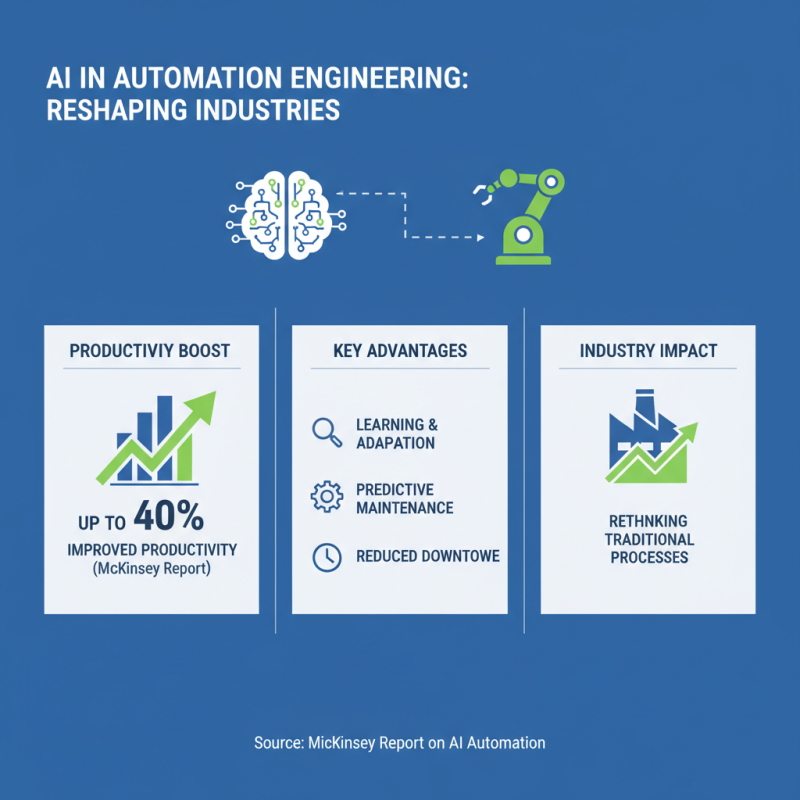
The emergence of artificial intelligence (AI) in automation engineering is reshaping industries. According to a recent report by McKinsey, AI-powered automation can improve productivity by up to 40%. This significant boost is driving companies to rethink traditional processes. With AI, machines can learn from data, adapt, and even predict maintenance needs, leading to reduced downtime.
However, the integration of AI is not without challenges. Many organizations struggle with data quality and integration. Without accurate data, AI algorithms can produce misleading outcomes. A study by PwC suggests that about 54% of executives feel unprepared for these AI transitions. It highlights the importance of a robust strategy when implementing AI.
Tips: Invest in training for your team. Understanding AI is crucial for successful automation. Start with small projects to build confidence. Leverage data analytics to enhance decision-making. As machines become smarter, human oversight becomes vital. Balancing automation with human intuition can lead to better results.
Advancements in Robotics and Their Impact on Industry Automation
The advancements in robotics are reshaping industry automation at a rapid pace. According to a recent report by the International Federation of Robotics, global sales of industrial robots reached approximately 384,000 units in 2021. This surge signals a shift in how businesses approach manufacturing and services. Robots are now capable of performing complex tasks, such as precision assembly and quality inspection, which were once only achievable by skilled human labor.
However, the integration of robotics into industry is not without challenges. The necessity for skilled technicians to manage and maintain these systems is growing. A study by McKinsey projected a potential skills gap, with around 2 million manufacturing positions unfilled due to a lack of qualified personnel. This creates a dilemma for businesses: invest in technology while ensuring adequate workforce training. Companies may need to adapt their strategies to accommodate both robotics and employee development.
The impact of robotics extends beyond mere efficiency. It can also raise ethical considerations. Increasing automation may lead to workforce reductions, creating a need for careful planning. Industry leaders must think critically about finding a balance between technology adoption and the human touch. The evolution of robotics and its implications will require ongoing reflection and adjustment to ensure a sustainable future for all stakeholders.
Top Automation Engineering Trends Transforming the Future of Industry
This chart illustrates the significant investment trends in automation technologies across various sectors. Robotics integration leads the field with the highest investment, followed by AI applications, IoT systems, predictive maintenance, and collaborative robotics. These advancements are pivotal in transforming the automation landscape of industries.
Integration of IoT in Automation Processes and Systems
The integration of IoT in automation processes is reshaping the industrial landscape. According to a recent report by McKinsey, companies implementing IoT technologies could see productivity increases of up to 30%. This shift allows machines to communicate and operate more efficiently. Real-time data flow enhances decision-making, which is crucial for industries aiming to optimize operations.
However, challenges remain. Data security is a pressing concern. A study by Gartner indicated that 75% of IoT projects are vulnerable to cyber threats. Organizations must focus on creating robust security protocols while leveraging IoT. Furthermore, the skills gap in the workforce can hinder successful integration. Many employees lack the technical expertise needed to manage these advanced systems effectively.
The potential benefits of IoT integration are massive. The global IoT in manufacturing market is projected to reach $310 billion by 2025. Despite this, not all industries can adapt seamlessly. There's a need for careful planning and strategy. Companies must evaluate their readiness before jumping into IoT-driven automation. Each implementation presents unique hurdles, and understanding these is key to future success.
Top Automation Engineering Trends Transforming the Future of Industry - Integration of IoT in Automation Processes and Systems
| Trend |
Description |
Impact on Industry |
Projected Growth (%) |
| Predictive Maintenance |
Utilizing IoT data to predict equipment failures before they occur. |
Reduction in downtime and maintenance costs. |
25% |
| Smart Manufacturing |
Integration of IoT devices in manufacturing processes for real-time data usage. |
Increased efficiency and reduced waste. |
30% |
| Remote Monitoring |
Using IoT to monitor processes remotely, ensuring operations continue smoothly. |
Improved operational oversight and responsiveness. |
20% |
| Digital Twin Technology |
Creating a virtual model of physical assets to optimize performance. |
Enhanced product design and lifecycle management. |
35% |
| Edge Computing |
Processing data near the source of data generation to reduce latency. |
Faster data processing and improved operational efficiency. |
40% |
Sustainability Trends in Automation Engineering Practices
Sustainability is shaping the future of automation engineering. According to a recent industry report, nearly 68% of companies are prioritizing sustainable practices. This shift is driving innovation and efficiency across various sectors. Factories are now integrating renewable energy sources. Efficiency is no longer just a goal; it's a necessity.
Automation technologies like AI and IoT play a crucial role. They optimize resource use and reduce waste. For instance, smart sensors can monitor energy consumption in real-time. This data allows companies to make informed adjustments. However, many organizations struggle to fully implement these technologies. A lack of understanding and upfront costs can hinder progress.
The transition to sustainable automation is not without challenges. Industries must address the skills gap among workers. Training programs are essential but often inadequate. There's a need for better strategies that can align workforce skills with these new technologies. The road to sustainability in automation is complex, but the potential gains are transformative.