What is Automation Engineering and Why is it Important?

Automation engineering is a critical field that shapes our modern technology-driven world. According to Dr. Emily Chen, a leading expert in automation engineering, "Automation is not just about machines; it's about enhancing human capability." This highlights why automation engineering is essential for industries worldwide. It plays a crucial role in optimizing processes, improving efficiency, and reducing costs.

As companies strive to maintain a competitive edge, automation engineering provides innovative solutions. From manufacturing to healthcare, its impact is profound. Automation can streamline operations and minimize human error. However, integrating automation in existing systems poses challenges and requires careful consideration.

The complexity of automation engineering often leads to oversight. Many organizations rush into automation without understanding their specific needs. This can result in frustrating outcomes or wasted resources. Clear communication between engineers and stakeholders is vital for successful implementation. Balancing technology with human insight remains a continuous journey in this evolving field.
What is Automation Engineering and Why is it Important?

Definition of Automation Engineering and Its Core Principles

Automation engineering integrates technology to optimize processes, Increasing efficiency while reducing human error. At its core, automation engineering focuses on control systems, robotics, and software integration. According to a 2022 report by the International Society of Automation, the automation market is projected to reach $250 billion by 2026, highlighting its growing importance.

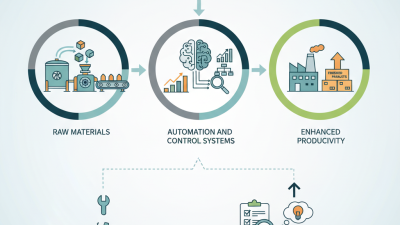
One core principle of automation engineering is the use of feedback loops. These loops monitor system performance, allowing for real-time adjustments. Another fundamental aspect is system integration, which ensures that different technologies work seamlessly together. A study from MarketsandMarkets indicates that system integration can improve operational productivity by up to 30%.

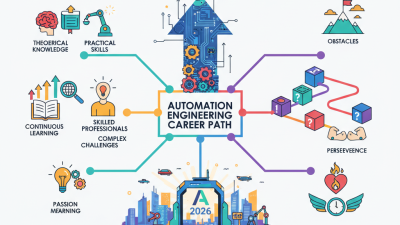
To excel in automation engineering, consider these tips. Stay updated on emerging technologies within the field. Networking with professionals can provide valuable insights and mentorship opportunities. Emphasizing continuous learning is crucial in a fast-evolving industry where old practices may quickly become obsolete. Adapting to new trends can significantly enhance career longevity and effectiveness in automation roles.
Key Technologies and Tools Used in Automation Engineering

Automation engineering is pivotal in today's technology-driven landscape. Key technologies like Programmable Logic Controllers (PLCs), Human-Machine Interfaces (HMIs), and Industrial Internet of Things (IIoT) play a crucial role in this field. According to a report from MarketsandMarkets, the global automation market is expected to grow from $214 billion in 2020 to $388 billion by 2026, highlighting the significance of these technologies.

PLCs serve as the brain of automation systems. They monitor inputs and control outputs to optimize processes. HMIs provide a user-friendly interface for operators to interact with machinery. These systems are essential in manufacturing, utilities, and many industries. However, improper configuration can lead to inefficiencies. A recent study noted that up to 30% of automation projects experience cost overruns or delays, emphasizing the need for skilled engineers.

The IIoT connects devices and systems, enabling data-driven decision-making. This integration enhances predictive maintenance and reduces downtime. Despite its benefits, many companies face challenges in cybersecurity and data management. A report from Deloitte found that 61% of organizations face difficulties in protecting automated systems from cyber threats. The evolution of automation engineering is vital, yet it requires careful implementation and continuous improvement to realize its full potential.

What is Automation Engineering and Why is it Important? - Key Technologies and Tools Used in Automation Engineering

Technology/Tool Description Importance Common Applications
PLC (Programmable Logic Controller) A digital computer used for automation of electromechanical processes. Essential for process control and automation in manufacturing. Assembly lines, conveyor systems.
SCADA (Supervisory Control and Data Acquisition) A control system architecture that uses computers and networks for monitoring and controlling industrial processes. Critical for real-time data monitoring and management. Water treatment, electrical grid management.
HMI (Human-Machine Interface) The user interface that connects an operator to the controller for machines. Facilitates communication between the user and the machine. Manufacturing equipment, process monitoring systems.
DCS (Distributed Control System) A control system with distributed architecture rather than centralized control. Improves reliability and scalability of control systems. Chemical processing, oil and gas refineries.
Robotic Process Automation (RPA) Technology that automates repetitive tasks typically performed by humans using software robots. Increases efficiency and reduces operational costs. Data entry, invoice processing, customer service.

Applications of Automation Engineering Across Various Industries

What is Automation Engineering and Why is it Important?

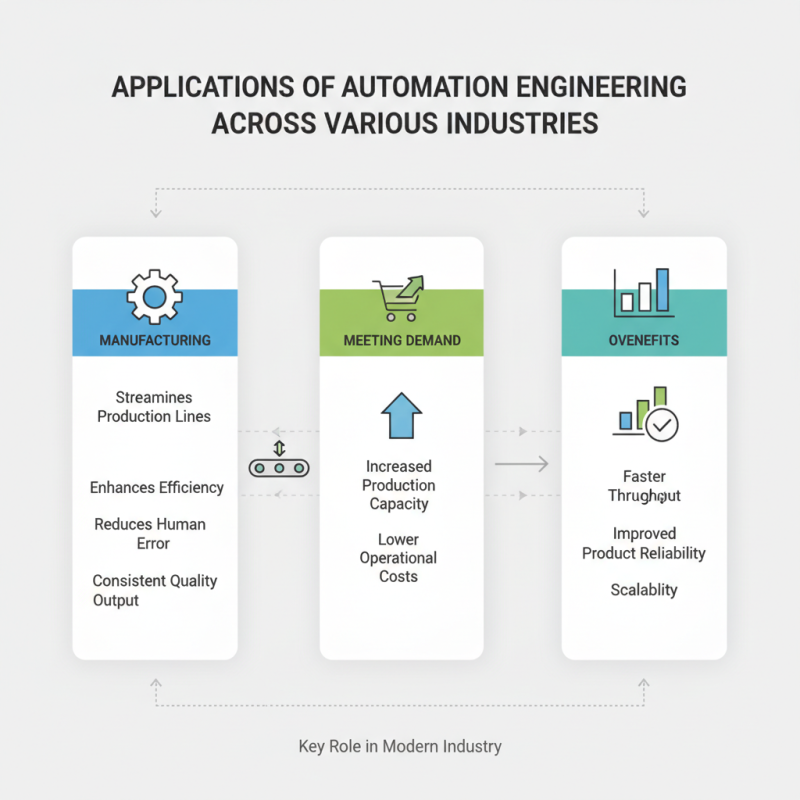
Automation engineering plays a crucial role in various industries today. It streamlines processes, enhances efficiency, and reduces human error. In manufacturing, automation improves production lines, allowing companies to output more products with consistent quality. This shift is vital in meeting increasing consumer demands while minimizing costs.

In the automotive sector, automation engineering is key to building vehicles. Robots handle assembly with precision, enabling faster production. The healthcare industry also benefits significantly, using automation for patient care systems. Automated pharmacy systems dispense medication accurately, reducing the risk of human error.

Tips: Start small when implementing automation. Assess your current processes and identify areas for improvement. Remember, integrating automation requires careful planning and training. Regular evaluations of your automated systems are essential for ongoing success. Continuous learning should be a part of the strategy to avoid stagnation in innovation.

The Importance of Automation Engineering in Modern Workflows

Automation engineering plays a crucial role in modern workflows across various industries. According to a recent report by McKinsey, automation can improve productivity by up to 50%. This is particularly significant in sectors like manufacturing and logistics, where efficiency is essential. Automation minimizes human error and speeds up processes, making operations more reliable.

In 2022, the International Federation of Robotics indicated that the global industrial robot market grew by 17%. This growth indicates the rising dependency on automated systems in production environments. Yet, it’s not without challenges. Many organizations struggle with the integration of automated systems into their existing infrastructures. Experts emphasize the need for appropriate training and change management to ensure effective adoption.

Furthermore, 85% of industry leaders believe automation will greatly impact the skill sets required in the workforce. This necessitates ongoing education and adaptation among workers. Companies must invest in their teams to stay competitive in an automated age. While automation brings efficiency, it also requires critical thinking and innovation. The balance between machine and human input is vital for sustainable growth.

Importance of Automation Engineering in Modern Workflows

Future Trends and Challenges in Automation Engineering

What is Automation Engineering and Why is it Important?

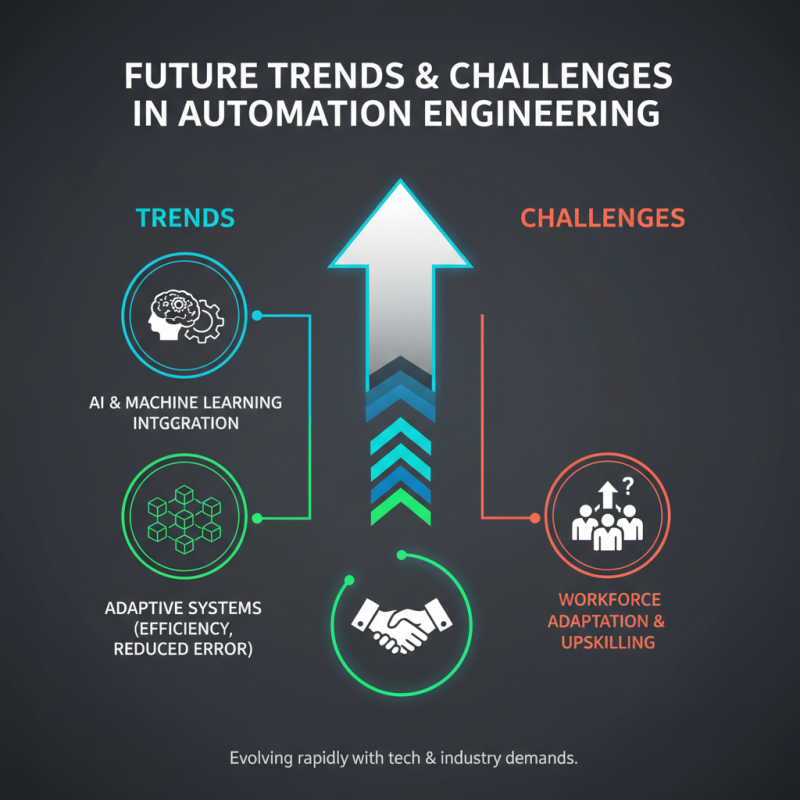
Automation engineering is evolving rapidly, driven by technological advancements and industry demands. Future trends in this field include increased integration of artificial intelligence and machine learning. These technologies enable systems to learn and adapt, increasing efficiency and reducing human error. As automation becomes more sophisticated, it presents challenges in workforce adaptation.

Training programs must evolve alongside these technological changes. Engineers should focus on soft skills, as well as technical abilities. Communication and collaboration will be crucial as teams navigate complex automated systems. Organizations must foster a culture of continuous learning.

**Tip:** Stay current with trends in automation. Online courses and workshops can help engineers refine their skills. Encouraging team discussions about emerging technologies might spark innovative ideas.

The investment in automation engineering is substantial, yet it raises concerns about job displacement. It's essential to balance automation benefits with workforce needs. Engaging employees in the transition process can lead to a more harmonious integration of technology.

**Tip:** Encourage feedback from team members. Their insights can identify potential issues before they become major challenges. This approach strengthens the team and fosters a shared vision for the future.