What is the Aeration Process in Wastewater Treatment?
The Aeration Process In Wastewater Treatment is vital for effective water purification. This process enhances the natural breakdown of organic matter by introducing air into the wastewater. Microorganisms thrive in oxygen-rich environments, leading to the decomposition of pollutants.
Aeration can be done through different methods, such as surface aerators or diffused air systems. Each method has its advantages and potential drawbacks. For instance, surface aerators are generally easier to operate, but they may generate noise and require more maintenance. In contrast, diffused air systems provide better oxygen transfer but can be more complex to manage.
Understanding the aeration process in wastewater treatment helps improve treatment efficiency and environmental safety. However, this process is not without challenges. Factors like energy consumption and maintenance needs must be considered. Balancing efficiency and sustainability remains a key focus in wastewater treatment advancements.
Overview of Aeration Process in Wastewater Treatment
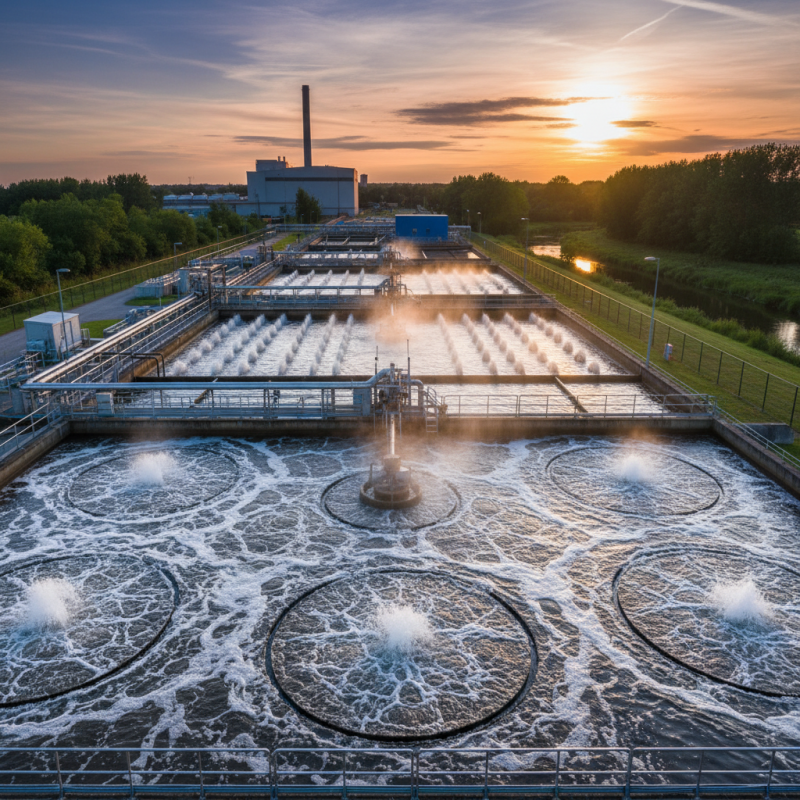
Aeration is a critical step in wastewater treatment. It involves introducing air into the wastewater to promote the activity of aerobic microorganisms. These microbes break down organic pollutants, improving water quality. The process typically occurs in aeration tanks, where oxygen is bubbled through the wastewater. This encourages the growth of beneficial bacteria, which help reduce harmful substances.
Effective aeration requires careful monitoring. The right balance of oxygen and microbial activity is essential. Too little oxygen can hinder treatment effectiveness. Conversely, excessive aeration can lead to wastage of energy and increase operational costs. Operators must regularly assess these conditions to ensure optimal performance.
Tip: Consider using aeration equipment that allows for adjustments based on wastewater characteristics. Regular maintenance can enhance efficiency.
Another important aspect of the aeration process is the design of the aeration system. A well-designed system maximizes contact between air and water. It can improve the overall efficiency of pollutant removal. However, poor design may lead to uneven oxygen distribution. This can create areas of low microbial activity. Monitoring the system's performance can reveal opportunities for improvement.
Tip: Conduct routine inspections to identify potential issues. Small adjustments can lead to significant gains in treatment efficiency.
Importance of Aeration in Biological Treatment Systems
Aeration is a crucial step in wastewater treatment. It enhances the biological processes that break down waste. By introducing air into the water, aerobic microorganisms thrive. These organisms consume organic matter, converting it into less harmful substances. This process effectively reduces pollutants.
The importance of aeration goes beyond just waste breakdown. Proper aeration helps maintain a healthy environment for microorganisms. It also dilutes concentrated pollutants, preventing them from overwhelming the system. Some systems struggle with low oxygen levels, which can stifle microbial activity. Adequate aeration solutions are essential to avoid such failures, ensuring effective treatment.
Challenges exist in achieving optimal aeration. Factors like temperature and organic load influence how well aeration works. Monitoring is necessary to adjust accordingly. Sometimes, systems are not designed to handle high flow rates. This can lead to inefficiencies. Exploring alternative aeration methods may offer improvements, but testing and validation are key. Fine-tuning the process can significantly enhance treatment outcomes.
Types of Aeration Methods Used in Wastewater Treatment
Aeration is crucial in wastewater treatment, enhancing the biological processes that break down organic matter. Various aeration methods are employed to optimize this process. The two primary types are surface aeration and subsurface aeration. Each method has distinct advantages and challenges.
Surface aeration utilizes mechanical devices to agitate the water. This approach allows for a high degree of oxygen transfer. According to the Environmental Protection Agency, surface aerators can increase oxygen levels by up to 30% in some systems. However, they may struggle with high organic loads, leading to inefficiencies.
Subsurface aeration, on the other hand, employs air diffusers placed at the bottom of treatment tanks. This method can produce smaller bubbles, increasing contact area and oxygen transfer rates. Research estimates that subsurface aeration can improve efficiency by 15-25% compared to surface methods. However, maintenance of the diffusers can be challenging, leading to potential downtime and reduced treatment effectiveness. Both methods necessitate careful consideration of site-specific conditions and operational constraints for optimal performance.
Factors Affecting Aeration Efficiency in Treatment Plants
Aeration is a critical step in wastewater treatment. It enhances the breakdown of organic pollutants through biological processes. Several factors can influence aeration efficiency, impacting the overall treatment effectiveness in wastewater plants.
One key factor is the design of the aeration system. Different systems have their strengths and weaknesses. For example, diffused aeration can be effective, but may require more maintenance than other methods. The type of aerator used is equally important. Surface aerators can be easier to operate. However, they might not maintain optimal oxygen levels in deeper tanks.
Another crucial aspect is water temperature. Warmer water can hold less oxygen. This can hamper microbial activity, essential for treatment. Additionally, pollutants' concentration plays a role. High concentrations of organic matter may demand more oxygen for effective breakdown. Operators must regularly monitor these conditions to ensure efficient aeration, navigating these complexities can be challenging. Each plant may face unique situational challenges.
Aeration Efficiency Factors in Wastewater Treatment
This bar chart illustrates the various factors affecting aeration efficiency in wastewater treatment plants. Each factor is measured based on its effectiveness on a scale from 1 to 100.
Monitoring and Optimization of Aeration in Treatment Processes
Monitoring and optimizing aeration in wastewater treatment processes is crucial. The aeration phase provides oxygen for microorganisms to break down organic pollutants. Proper aeration is necessary to maintain an efficient treatment process, as it affects both energy consumption and treatment effectiveness.
One common challenge is the balance between oxygen supply and demand. Monitoring tools, like dissolved oxygen meters, can help track this. However, real-time data analysis is often lacking. Some facilities rely on manual readings, which can lead to delays and inefficiencies. Implementing automated systems for continuous monitoring can enhance aeration performance.
Optimization of aeration settings is also essential. Variable speed blowers can adjust the oxygen supply based on demand, reducing energy costs. Yet, not all facilities use this technology. Some still operate with fixed systems, missing opportunities for efficiency. Regular audits and updates to aeration strategies can lead to significant improvements in treatment effectiveness and operational costs. Evaluating current practices is key to fostering innovation and ensuring reliable wastewater treatment.
What is the Aeration Process in Wastewater Treatment? - Monitoring and Optimization of Aeration in Treatment Processes
| Parameter | Optimal Range | Typical Values | Monitoring Method |
| Dissolved Oxygen (DO) Level | 2.0 - 4.0 mg/L | 3.0 mg/L | DO Meters |
| pH Level | 6.5 - 8.5 | 7.5 | pH Meters |
| Temperature | 10 - 30 °C | 22 °C | Thermometers |
| Mixed Liquor Suspended Solids (MLSS) | 2000 - 4000 mg/L | 3000 mg/L | Suspended Solids Analyzers |
| Aeration Rate | 0.5 - 2.0 m³/m²/h | 1.0 m³/m²/h | Flow Meters |