Top 5 Well Pipe Tips for Global Buyers to Consider
In the ever-evolving world of Well Pipe procurement, global buyers face unique challenges and opportunities. Industry expert Dr. John Reynolds, a leading figure in well construction technology, once said, "Selecting the right well pipe is critical for long-term success." This statement underscores the weight of informed decisions in ensuring optimal performance and durability.
Navigating well pipe specifications can be daunting. Buyers must consider factors like material quality, pipe dimensions, and local regulations that can significantly influence a project’s outcome. Many overlook the importance of choosing the right pipe fittings or coatings, leading to costly mistakes. Buyers often assume that all well pipes are the same, but variations can greatly impact safety and efficiency.
Understanding these intricacies fosters better purchasing decisions. It's essential to involve qualified engineers or consultants in the selection process. This engagement not only enhances reliability but also mitigates risks associated with subpar products. Reflecting on past errors in pipe selection can lead to more robust strategies in the future, setting the stage for sustainable success in well pipe projects.
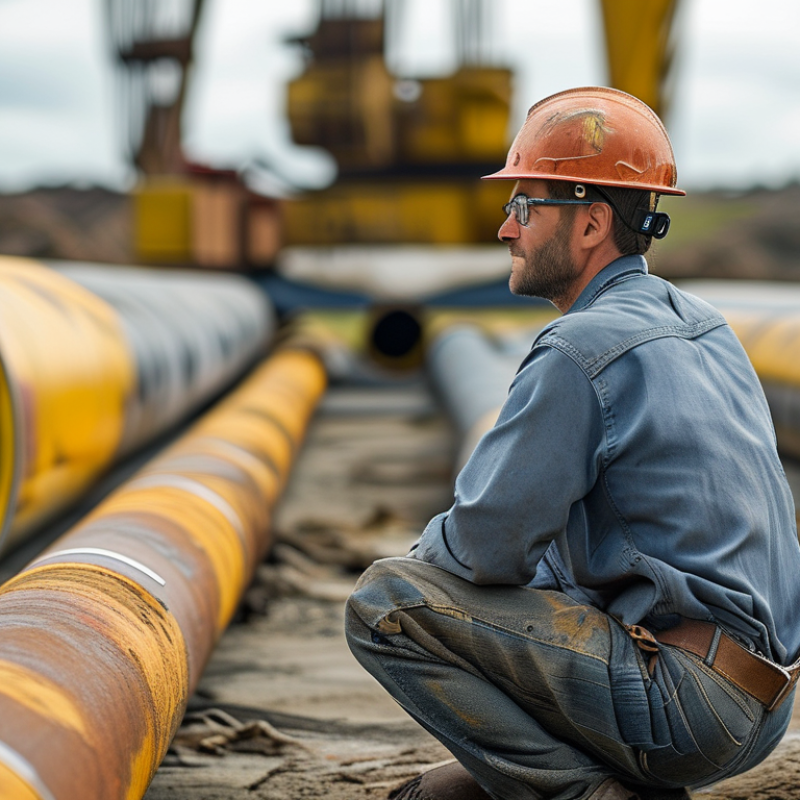
Understanding the Different Types of Well Pipes Available Globally
When considering well pipes, buyers should be aware of the various types available worldwide. There are primarily three types: steel, PVC, and fiberglass. Each has unique advantages that can affect both the cost and longevity of the infrastructure. A report by the International Water Association noted that over 60% of wells still utilize steel pipes due to their strength and durability, particularly in areas with challenging geological conditions.
PVC pipes are lightweight and resistant to corrosion, making them a popular choice for shallow wells. According to data from the Global Water Report, these pipes account for approximately 25% of the global market. However, they can become brittle over time, particularly in extreme temperatures. Fiberglass pipes are the least common yet offer exceptional resistance to chemical exposure. Though they are more expensive, they feature a longer lifespan—up to 50 years under optimal conditions.
Buyers should also consider local regulations and environmental factors. Different regions may have specific requirements for well pipe materials based on groundwater conditions. A survey indicated that about 35% of global buyers found themselves unprepared for such regulations, leading to compliance issues. Understanding these aspects can enhance project outcomes and sustainability.
Evaluating Material Quality and Durability for Well Pipe Selection
When selecting well pipes, evaluating material quality and durability is crucial. Reports indicate that the lifespan of well pipes can dramatically vary depending on the material used. For example, steel pipes can last 20 to 40 years under ideal conditions. However, corrosion can significantly reduce this lifespan, especially in harsh environments. Understanding these nuances helps buyers make informed decisions.
In recent studies, more than 30% of failures in well systems were attributed to poor material choices. It’s not enough to just choose a type; understanding grade and treatment processes is equally vital. Many materials undergo unique processes such as galvanization or coating, which can enhance their resistance to corrosion. Buyers often overlook these details, leading to costly replacements.
The cost implications of selecting lower-quality materials can be staggering. Reports show that premature replacements can increase total expenditures by up to 50% over time. A thorough assessment of both the physical properties and environmental suitability of materials is essential. Even minor shortcomings in quality control during manufacturing can lead to significant performance issues in the field. Each detail counts when investing in well pipe systems. Consider all aspects to ensure long-term reliability and efficiency.
Top 5 Well Pipe Tips for Global Buyers to Consider
| Tip No. | Consideration | Material Type | Durability Rating | Cost Estimate (per meter) |
| 1 | Evaluate Corrosion Resistance | Stainless Steel | High | $150 |
| 2 | Check Pressure Rating | PVC | Medium | $30 |
| 3 | Assess Thermal Conductivity | Copper | Very High | $200 |
| 4 | Inspect Manufacturer Certification | Galvanized Steel | High | $100 |
| 5 | Review Installation Requirements | HDPE | Medium | $60 |
Key Factors in Sourcing Well Pipes From Reliable Manufacturers
When sourcing well pipes, it’s crucial to evaluate the manufacturers thoroughly. One critical factor is their experience in the industry. A manufacturer with years of expertise is more likely to produce high-quality pipes. You can request case studies or references to understand their past performance. This builds a sense of trust and reliability.
Another essential aspect is the materials used in production. Well pipes should be made from durable, corrosion-resistant materials to ensure longevity. Manufacturers who provide detailed information about their materials exhibit transparency. It’s important to ask about the specifications and testing processes for these materials. Each project may require different standards, so don’t hesitate to seek clarification.
Additionally, consider the manufacturer’s quality assurance processes. Reliable manufacturers often have rigorous testing protocols in place. Inquire about their certifications to ensure compliance with international standards. However, be aware that even reputable companies might experience inconsistencies. Look for feedback from other buyers to gain a broader perspective. This step can uncover insights about potential flaws in the product or service.
Assessing Cost vs. Long-term Benefits in Well Pipe Investments
In the well pipe industry, evaluating costs against long-term benefits is crucial for global buyers. Many companies prioritize short-term savings over sustainability. However, a research report from the International Energy Agency indicated that high-quality well pipes can lead to a lifespan increase of 20-30%. This reduction in replacement frequency can save buyers significant costs in the long run.
Investing in durable materials pays off. Corrosion-resistant pipes typically have a higher upfront cost, yet they dramatically reduce maintenance needs. The National Association of Corrosion Engineers reported that corrosion-related expenses exceed $2.5 trillion annually across various sectors. Choosing well pipes with enhanced durability can mitigate these expenses. With proper analysis of lifecycle costs, buyers can ultimately save money even with higher initial investments.
Many buyers overlook the importance of design in well pipe installations. Poor design can lead to failures, resulting in costly repairs. Research shows that a staggering 25% of well failures stem from installation errors. Choosing reliable suppliers and understanding industry standards is essential. Buyers must reflection on their investment strategies to ensure they are not just chasing the lowest price, but also considering the long-term impact of their choices.
Top 5 Well Pipe Tips for Global Buyers
Assessing Cost vs. Long-term Benefits in Well Pipe Investments
Navigating Compliance and Regulations for Global Well Pipe Purchases
When purchasing well pipes globally, compliance and regulations are crucial. Different countries have unique standards that can affect the entire procurement process. The American Petroleum Institute (API) and International Organization for Standardization (ISO) provide guidelines that ensure safety and quality compliance. Failing to adhere to these regulations can lead to project delays and increased costs.
It's essential to verify the certification of suppliers. Many suppliers claim to meet standards, but not all are trustworthy. Conducting audits can help ascertain the legitimacy of these claims. Additionally, country-specific regulations must be understood. For instance, EU directives impose strict requirements for the import of steel products. Ignoring these can result in costly penalties.
Tip: Always request documentation that proves compliance with relevant standards. This includes quality control records and certifications.
You might face challenges in understanding local laws. These vary greatly even within regions. Consulting with local experts can aid in navigating complex regulations. Consider the environmental and safety laws specific to the area where the well pipe will be used. This proactive approach can minimize risks and ensure smoother transactions.
Tip: Keep abreast of any regulatory changes in the regions you operate in. Knowledge of evolving regulations is vital for reducing potential disruptions.